Palace of Care – Job Trials

Photo by Susan Wilkinson on Unsplash

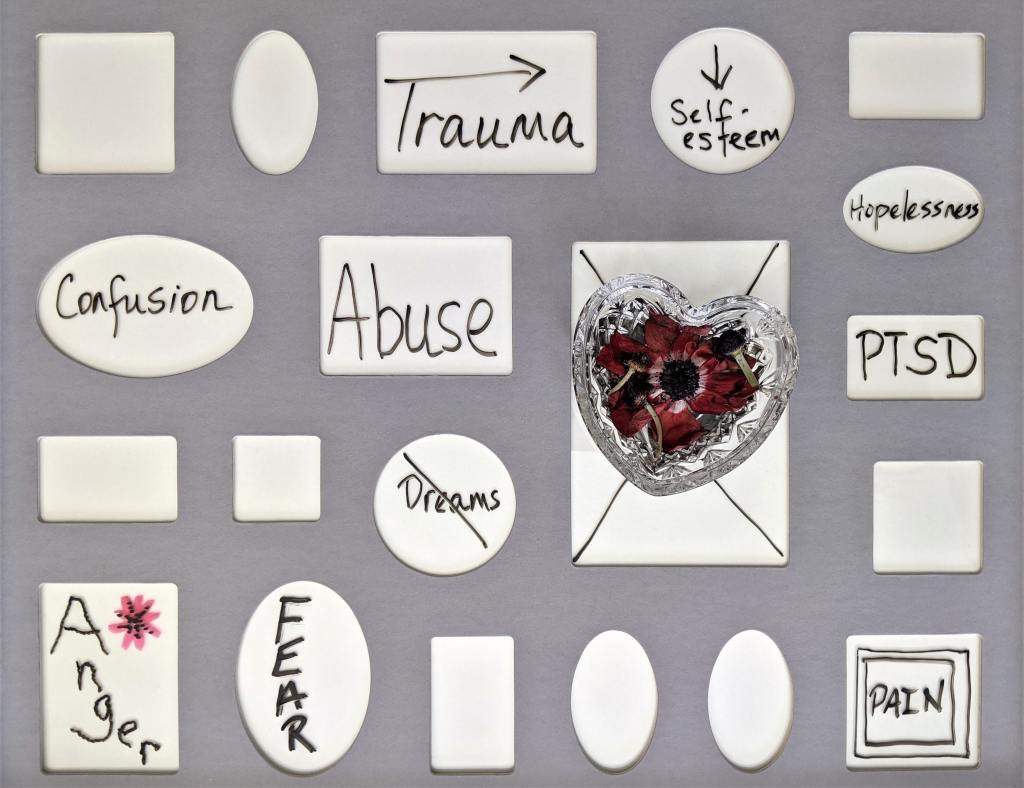
He didn’t hide who he was. He owned the mistakes he had made. He had a rough childhood but didn’t make any excuses. His father had taken him from New Zealand to live in Australia when he was a young child. This took him away from the support of the rest of his family. His father didn’t do a good job of raising him. Violence was part of his young life. Soon he became a ward of his adopted state. A volatile childhood led to an unstable adolescence. Self-medication of his trauma led to involvement in the drug scene.

He met a lady, and they thought it was love. Two babies were born before she left him to look after the children by himself. He didn’t know what to do, with no father figures in his life to base his parenting on. All he knew was he did not want to be like his own father. He tried his best, but raising children is an expensive activity. He needed money but couldn’t work full-time. He turned to dealing drugs to support his children. It worked for a while, he could buy nappies, formula and other stuff his kids needed. Things were going okay until he was caught.

Intergenerational trauma was replayed. His children lost their father to the prison system, and they became wards of the state. The tragic cycle continued again, would there ever be an escape? He was deported back to his childhood home, a place alien to this adult who barely remembered his younger years. Times were hard, he tried to keep in touch with his children but they soon forgot their father.

Continue reading

Palace of Care – A Change of Plans

Photo by Adam Borkowski on Unsplash

We knew he would die soon and we asked him if he wanted us to contact anyone. He told us he would like his son to know, but he didn’t have his phone number. By this time he was too unwell and needed help with communication via social media. Our nurses helped him to send a message via his accounts. He died before he received any replies.

As per his wishes, we had arranged for a funeral director to uplift his body as he had wanted a simple cremation. He had limited savings and arrangements had been made with social welfare for a funeral grant to pay for his cremation. Our nurses again checked his social media accounts and found a reply from his son, including a phone number. A phone call was made overseas and was answered by the young man’s foster mother. She was told of our patient’s death, and said that his son wanted to come over to see him, and would arrive in town in three days’ time.

Continue reading

I think therefore I am? – A Sense of Urgency

Photo by Aron Visuals on Unsplash

The one thing I want my students to learn about palliative care patients is they need to be treated with a sense of urgency. Life-limiting illness is time-limiting illness. Therefore patients’ time must be treated with respect, as it is precious and beyond price.

If someone only has six weeks left to live and you make them spend six hours waiting in a clinical setting, you are robbing them of valuable time. Time they could spend doing important things. Having important conversations, meeting people possibly for the last chance to say goodbye. Bringing closure to long-term relationships. Time spent with friends and family. Time they could choose to do, whatever they want to.

Please do not waste their time, as they can never have it back again. No matter how much money someone has they can never buy back time. Please treat dying people’s time with respect. It is their time, not your time. Please treat palliative care patients with a sense of urgency. Time is running out for them.

I think therefore I am? – Debriefs in brief

Photo by Tim Mossholder on Unsplash

Some cases will hit you in the emotional gut harder. Maybe the situation triggers something inside you, or the patient or their family members remind you of someone that you know. These are the sort of feelings that can be reflected upon during professional supervision sessions. Something has impacted you emotionally and you may not know what it was or why it had such an effect on you. The supervisor can help you to tease this out. It’s like they hold up a mirror that allows you to reflect on your emotional responses to the patient encounter.

The risk of connecting with another human is that as a human being you can feel hurt by the relationship. You need to make a connection to work with someone closely, but the connection puts you at risk of emotional harm. Strict boundaries may help delineate where you stand with each other. Some people you will identify with more and will feel closer to. Professional supervision sessions usually occur monthly and in the times in between, you need other self-care resources.

Debriefing with your team members can be a useful exercise and can lead to team building. Acknowledging the human feelings we all have felt dealing with the case. Some cases are tragic and sadness to some extent is unavoidable. Express the grief, and get over the loss, with your teammates. If you internalise the feelings too much they may make you feel unwell and you will be a less effective clinician. Informal debriefing with colleagues can be a good thing to do. Some cases will require a more formally structured and facilitated debriefing session.

If you are feeling upset about a patient encounter, your team members will likely be feeling similar. Talking through difficult cases with each other can be helpful. Don’t bottle up the emotions. Don’t take them home with you after work. Working in palliative care we do deal with lots of sad stuff, and it can get to you if you do not proactively take care of yourself and your teams. Self-care is an essential practice and is a crucial component of any clinician’s sustainable practice. Please look after yourselves and your teams.

Palace of Care – Micro-breaks

Photo by Clay Banks on Unsplash

In Palliative Care practice I often have emotionally loaded conversations. Tough talks about death and dying are commonplace. Emotions may flow in a raw state and tears may be involved. Sometimes you are confirming people’s greatest fears. They will not be recovering, they will become more unwell, and they will die. The emotional hit can be hard and the energy is felt by the recipient as well as the provider of the information.

Human emotions can be messy and the levels of distress can be high. When in the clinical moment I have to hold it all together, to stay calm as I guide them through the rough waters. I allow the emotions to flow, to be felt as they cannot be denied. Preparing someone for their imminent death can be some of the toughest work I do and some of the most important work I do. I don’t want anyone to have any surprises, they need to know what they are dealing with. The information will be shared in a kind and gentle fashion, but some ideas and concepts hurt when they are heard. The treatment of someone’s existential distress is beyond the effects of any of the medications I prescribe.

After conversations with high emotional stakes, I will call for a break. I will remove myself and my team from the patient room and will leave the inpatient unit itself. We walk upstairs and have a drink in the staff room. We remove ourselves from the fray, even if it is for five minutes. A micro-break is had. Our bodies and minds are taken away from the physical environment where heightened emotions were experienced. We nourish our bodies with some food and drink and take some time out. If possible, we also go out onto the deck to have some fresh air and sunshine.

Soon enough we will be back downstairs to deal with the next case. The short break allows us to be present for the next conversation with our next patient.

I think therefore I am? – Dis/Connect

Photo by John Barkiple on Unsplash

One of the impacts of COVID I have noticed in the past two years is the increase in late diagnoses and subsequent late referrals to palliative care. Access to medical care shifted towards virtual means around the world and people may have put off visits to the doctor as for a while it was not easy to be seen in person.

There have been many late and in some cases too late referrals to palliative care. This creates a scramble situation as our services try to respond to the urgent need. Often in the last two years, we have received patients transferred for end-of-life care who may only have been diagnosed mere weeks before death.

We do the best we can to help them but it can feel rushed. A connection needs to be made to help the patient and their family. Rapport needs to be built and in an ideal world, we would like to have more time to build a therapeutic relationship before the patient becomes too unwell to engage with us fully. We don’t always have this luxury and have to make the connection faster. This is not a smooth process, the stakes are higher, emotions are rawer, and stress levels increased.

A short therapeutic relationship also means disconnection needs to occur in a faster manner as well. We are involved in some cases only for short days or hours in some cases. The ability to connect and disconnect without losing your humanity is an art to be developed. Strong boundary perception is important otherwise we couldn’t continue doing this job day in and day out. A delicate balance is required between connection and disconnection. Attachment and detachment. Involvement but not enmeshment. Empathy and compassion without entanglement. Human commonality and professionalism. We try our best to do enough.

I think therefore I am? – Cheese, Quackers and Other Oily Things

Photo by angela pham on Unsplash

I’ve looked after thousands of patients over my 14 years of working full-time in Palliative Care settings. The patients that I see have tried all the standard treatments and their illnesses have not been controlled. Out of desperation, some may search for complementary (hardly ever complimentary) and alternative treatments. My standard policy is if something helps them to feel better then who am I to judge what is right for them? I support patient choice, even if people do not follow my recommendations or advice. But if a treatment causes them harm, then I may have to intervene.

I have often been asked by patients and their families whether or not alternative/complementary therapies are any good. Mostly, I don’t know enough about them, but from my training, the evidence does not support their efficacy. It’s not my job to extinguish all hope in their situations, and no one would be happier than me if miracles did occur. The harsh reality I have witnessed from caring for thousands of patients is that out of the hundreds who have sought non-mainstream treatments, very few are still alive.

If it sounds too good to be true, it probably is.

Oil from snakes makes many palms greasy.

The cure-all panacea that has been hidden from you by the Illuminati and other conspiracies makes for a good story, but the patient thought they were buying non-fiction.

The false hope market is bullish and continues to make strong returns for a few people.

If it looks like a duck, sounds like a duck, smells like a duck. It probably is a duck.

Sneak Preview from Bedside Lessons – Chapter 54 – Always in Between

Photo by Tien Vu Ngoc on Unsplash

I have lived in-between for most of my life. I grew up between two cultures; the Chinese at home and the Eurocentric outside of my home. Later in University, I was part of the local Chinese Group but felt more comfortable as part of the newer Asian immigrant group.
I have a lot of experience in bridging between two different cultures which are different in many ways and may think they have little in common. Palliative Care lies in between the usual medical culture of active treatment and the culture of death and dying. Was that what attracted me to Palliative Care? Are we there to bridge the gap between cultures?

Continue reading

Palace of Care – Heart Follows Mind

Photo by Kelly Sikkema on Unsplash

Her brain had no trouble accepting what was happening but her emotional heart took longer. The love of her life for over 45 years of marriage was dying. The doctors had warned that he might become confused and agitated as his condition deteriorated. He was comfortable and the pain relief had taken a few days to optimise. He was more relaxed and then deteriorated. He became less lucid as we neared the end of the week.

A clash of cultures became evident thanks to some of the visiting friends of the family. “You have to ask your doctors if they will give infusions to your husband. In China, he would be having lots of intravenous fluids, and other treatments such as tube feeding.”

We had to explain that artificial hydration would be too much for the dying person to handle, and would worsen skin swelling and likely worsen his breathing. We did not want to add to his already heavy burden of symptoms. His wife indicated she understood our rationale. We explained he could die at any time.

Intellectually his family could accept the ongoing bad news, but when it came to emotions it would take much more time. Their loved one was dying and all they wanted to do was to help but didn’t know how to. Mouth care was a task that we delegated to them. Our counsellor was asked to talk to the family.

Their brains understood the words we shared, but their emotional hearts couldn’t understand the language and operated on feelings instead.

Palace of Care – A Reluctant Patient

Photo by DDP on Unsplash

I first met our reluctant patient in the outpatient clinic with his girlfriend. It had taken a number of phone calls before he would come in for assessment. He was scared of hospice and had resisted his Oncologist referring him to us. He didn’t know what we were about and what he didn’t know frightened him.

He had been unwell with cancer for over a year with severe pain making him unable to sit or lie down for more than an hour at a time. Sleep was difficult for him and he was woken up several times a night by burning pain that spread down his right leg. He wasn’t keen on any changes in medication, and it took much negotiation for him to allow us to increase the doses of the pain relief agents he was already taking. He didn’t want to consider anything new, just yet. As his pain was so severe I offered to admit him into the inpatient unit but he wanted to stay at home.

Over the next month, his pain did improve but any relief would only last for a few days at best. We again offered to admit him for pain control but he still wasn’t ready. Some weeks later the pain had worsened bringing tears to his eyes. His mother and girlfriend were exhausted and felt helpless as they couldn’t help reduce hisWith encouragement from his mother and girlfriend he agreed to be admitted.

We started him on a different opioid that afternoon. The next morning he was full of smiles. He told us he was pain-free for the first time in two years. He stayed a few more days as we helped him with other issues, and then he went home. As well as good pain control we had built a trusting relationship that would help during his next admissions.