I think therefore I am? – My Left-Handed Life

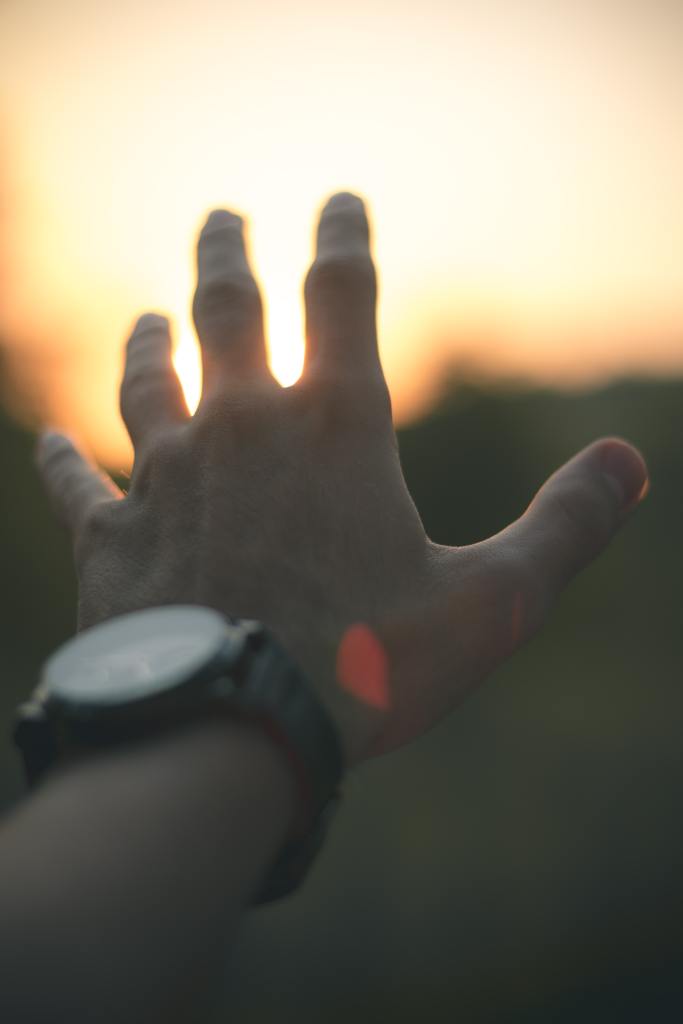
Photo by Mahdiar Mahmoodi on Unsplash

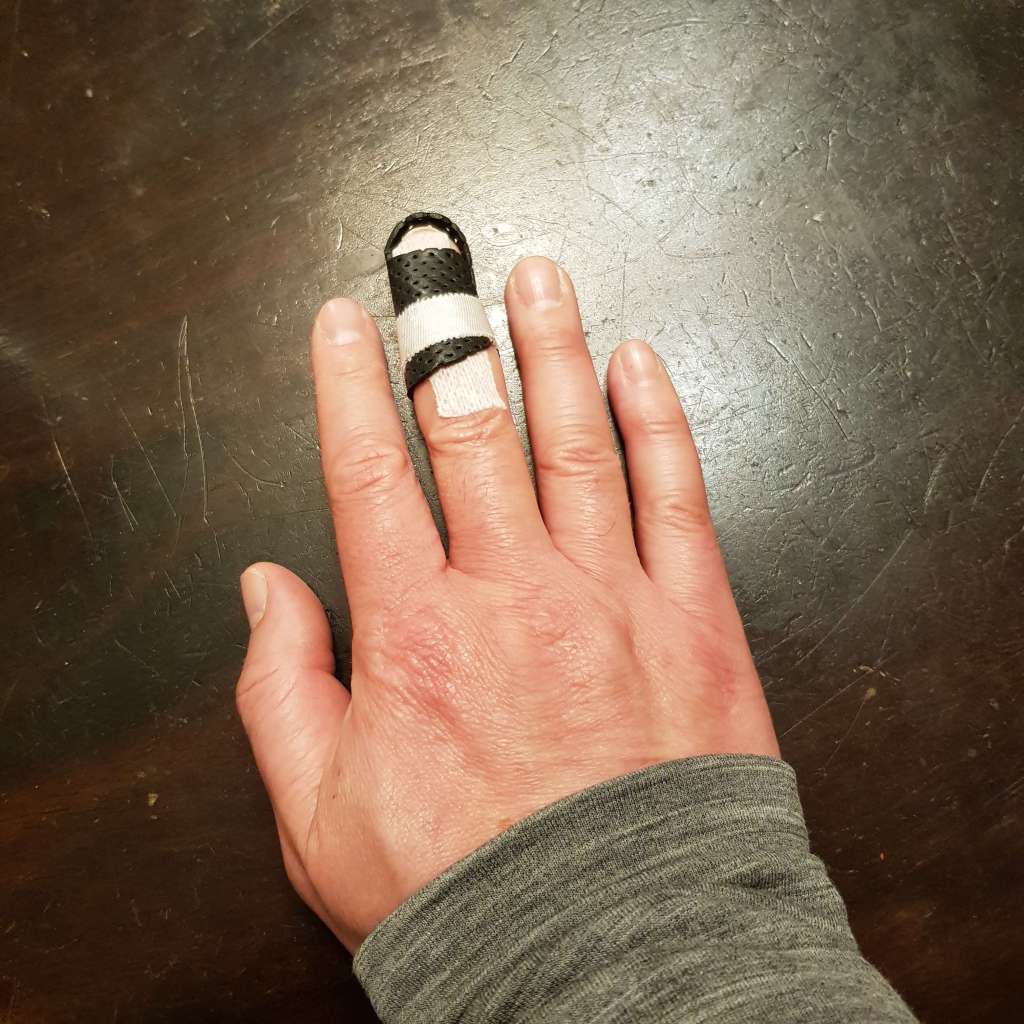
Life is full of changes. Change is one constant you can count on always being there. Things happen and you have a choice to make. Whether to accept the changes or not. My injured right middle finger has led to some adaptations in my daily life. I have been using my left hand a lot more than usual. I have had to count on it for many of the things I do daily. For example, I have had to modify my showering and toileting. The application of armpit deodorant and body moisturiser was difficult the first few times but the seldom used nerve pathways supplying my left hand have had to spring into action. Dishwashing and cooking have become newer left-handed experiences.

I have had to modify my typing style. Have I consciously avoided typing the word ‘milk’? Or was it another symptom of my adult lactose intolerance? Problems of this ilk never troubled me before. Likely they will disappear once the finger has healed. I hope it will heal and I am not left with a permanent disability. I’ve had to perform physical examinations with my left hand. What other effects has this partial left-handedness had on my brain?

How would it feel to permanently lose body functions? These are situations which my patients have to grapple with. Incurable illness can lead to permanent loss of ability – disability. This may lead to the permanent loss of jobs and other important life roles. The losses all add up and add to the burden of suffering. When your actual whole person is threatened, and life as you knew it will never fully return. Each loss is grieved over and may or may not be accepted. A distressed physical body affects the emotions, affects the spirit, and affects your family/community. The ripples can affect many people in the wake of the initial insult.

How do people stop themselves from falling into despair when there is nothing guaranteed apart from ongoing deterioration? Some people cope well, others don’t cope at all, and most people are somewhere in between. A rock and a hard place? They need help, guidance and optimisation of community support. What can be done to make life less difficult? Which services or staff members need to be involved?

Palace of Care – Death of an Elder

Photo by The Good Funeral Guide on Unsplash

A mother, grandmother, and great-grandmother died. This news spread quickly around the world. Condolences were sent from many different countries. Nothing would ever be the same again for her family or their world. An end of an era. She had ruled for many decades and the whole household had to be on its best behaviour. Nothing would escape her notice despite the loss of major senses.

They were constantly reminded of where they had come from and who was responsible for their comfortable lives. She was ancient when her reign finally ended. There would be mixed emotions. Sadness would predominate but if everyone was being honest it would be twinged with some relief.

In her day she had been formidable, nothing could stop her from bending the will of others. The last years had become increasingly difficult. She required loyalty above all. Her body wouldn’t answer the mind’s questions anymore.

She caught COVID from her great-grandchild who had brought it home from a school camp. She survived it with no ill effect. If anything the virus seemed to sharpen her failing cognition.

Too many falls over the years but the last one was the worst. Concussion and almost death. She went into the local hospice and survived for several months after discharge.

We paid our respects with four generations of members gathered to say goodbye to her.

Rest in peace Matriarch.

I think therefore I am? – Navigation

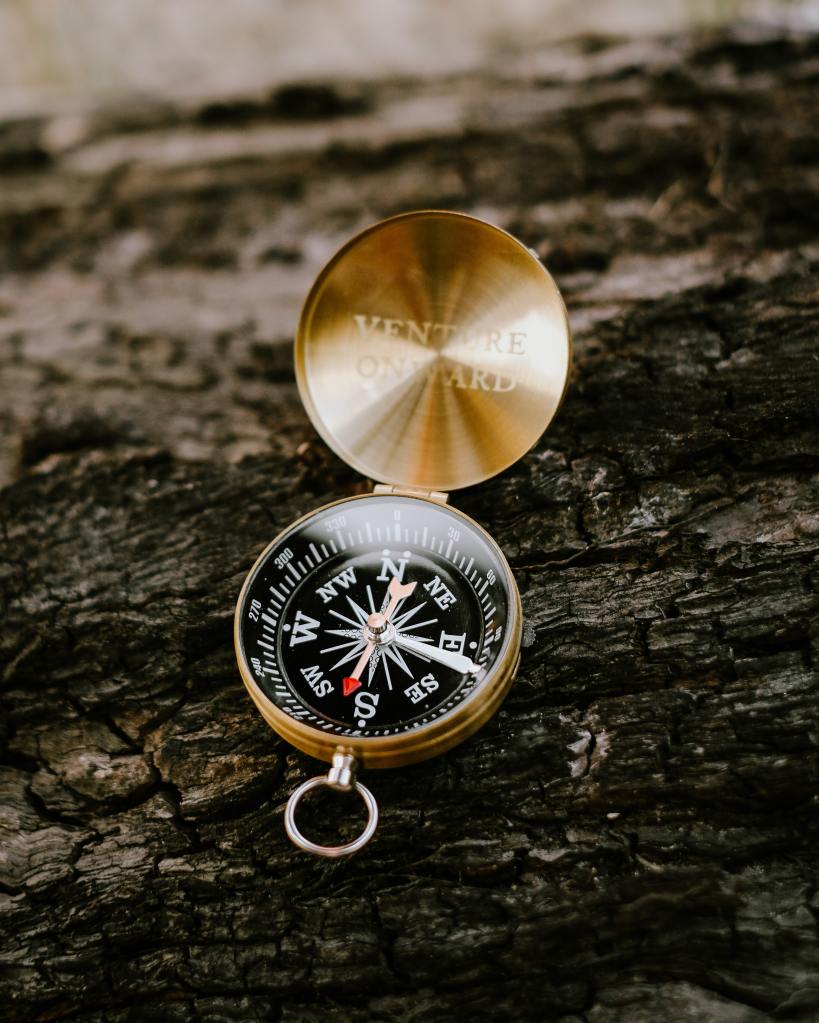
Photo by Heidi Fin on Unsplash

There isn’t always a map available especially if you are journeying into the unknown. That’s what it can feel like heading towards the end of your life. I haven’t been on the final journey myself but I have been alongside others during their journeys.

It is not my journey, I am not the driver. I am there to act as a guide, to help people through rough territory. I will point out obstacles along the way. I will guide you through difficult passages of your journey. I will keep things as calm as I can.

The ancient navigators had to rely on their skills in order to travel thousands of miles across vast oceans. I will use my skills to help navigate you through your final journey. I will make sure that you are looked after and kept comfortable. My goal is to eliminate as much stress and distress as possible. Your loved ones will also be along for the journey but like me they can only go so far on the journey. The final part of the trip we will have to leave you, but before then we will prepare the way as much as possible.

Continue reading

Palace of Care – A Typical Day at Work

Photo by Chang Duong on Unsplash

I started the day leading our Waiata Group. We gather together to sing songs once a week. My shy introverted younger self would never have imagined doing this as an adult. Public speaking is one thing, but Public Singing is a whole other level of stage fright. Feel the fear and do it anyway. You’re probably wondering why a Chinese guy was leading everyone in singing songs in Te Reo Māori I did it because someone has to and I think it is an important thing to do. We had various members of our teams, from clinical and non-clinical departments, joining in song. None of us was actually of Māori descent. Today we were joined by three special tangata whenua guests. One of our Māori patients and their whānau joined us singing:

Purea Nei

Tutira Mai Nga Iwi

Whaakaria Mai

Te Hokinga Mai

We were not pitch perfect and our Spotify playlist still needs some work. That was not the point though, we were there to learn and to culturally connect. The smiles in the room spilled out into our main corridor, and people passing through were disappointed to have arrived at the end of our 15 minutes of fun and fame.

Photo by Steven Libralon on Unsplash

A few minutes later I noticed a Superman shield tattoo on another patient’s hand. We ended up talking about Superman and his greatest weakness Kryptonite. The supervillain we were trying to defeat was Mamahi-Man who had caused severe pain over too many long weeks. I hoped that my medications would lead to Mamahi-Man’s downfall. I also asked about the stories behind the other tattoos on his knuckles. He said they had been chosen by each of his children, and each one represented other superheroes. Mamahi-Man doesn’t stand a chance when we have the whole Justice League/Marvel Cinematic Universe and many others on our side.

I think therefore I am? – Good Enough?

Photo by Hello I’m Nik on Unsplash

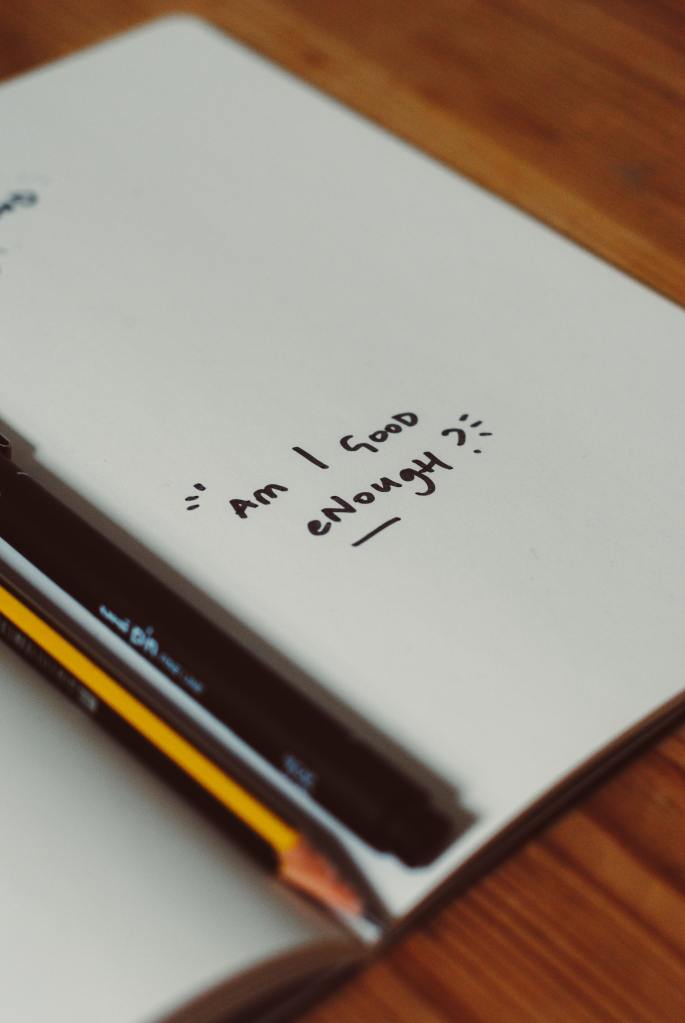
The care we provide can never be perfect. If it was perfect then a person would not be dying. We cannot hope to take away all of the trauma and grief of the survivors. It is not possible. They will be affected by their loss. We can try to decrease it as much as possible, but it cannot be eliminated.

We all take a risk when we connect with fellow human beings. The stronger the connection the stronger the potential loss when disconnection occurs. All things will come to an end eventually, it is just a matter of time. But until the ultimate disconnection comes we make choices. We choose how to spend the rest of our lives.

We put things off and say we will do it tomorrow, or next week or month. Not all of us make it. Working in Palliative Care we see daily evidence of life being too short. We only get one shot at life or death. Make the most of it. Forget about doing the perfect job, instead, ask yourself if your work is good enough. Have you done all you can to make a difference in someone else’s day? Have you shown them that you care? Are you willing to take the risk?

Palace of Care – Confusion

Photo by Alex Vámos on Unsplash

We were confused by the discharge letter. Our patient had been transferred from the hospital after a two-week admission. During the admission, the Oncology treatments had been stopped. On discharge, it appeared that the medications had been restarted. The Oncologist’s plan was unclear. On the second day, the patient developed a new abdominal pain. The pain was so severe that the patient felt they were ready to die. We changed their pain relief and also tried to cover the shortness of breath. By the afternoon the patient was more comfortable and able to sleep. The family had received a phone call asking for the patient to return to the hospital for further treatment. This surprised the family and our hospice team as the patient had barely been in the inpatient unit for 24 hours, and the hospital asked them to return. We called Oncology to find out what was going on. They wanted to give radiotherapy treatment to the patient’s back, for pain relief. We said we would see how the patient was the next morning as we were unsure if they’d be well enough to return to the hospital.

Continue reading

I think therefore I am? – A walk in the garden

Photo by Kilyan Sockalingum on Unsplash

My fitness tracker died on me a few months ago and since then the wear pattern on my shoes has slowed down. The reminders to do at least 250 steps each hour were a good reminder to stay active during the day. I have the luxury of working in a place with a garden surrounding it. A few times a day I can go out for a quick walk around the garden. One orbit is 500 steps, which would add to my daily step count. 10000 steps a day was more than achievable. The fitness tracker wasn’t mine, but one I had inherited from a family member, but I wore it out.

A few minutes of self-care interspersed within busy days. The simple act of walking in some nature. The sunlight on my face, the breezes through my hair. The sounds of the insects and birds doing their thing in the trees. The wind winds its way through many thousands of leaves. Not quite a forest to bathe in but in certain parts of the garden, you can stop under a tree and imagine that you are in much deeper woods. A momentary escape from the hustle and bustle of the workplace, I am briefly transported thousands of kilometres away. The fresh air is scented with the products of the plants themselves. It’s as if I am a time traveller, going back to the wellness retreat I attended three years ago, but I am not the same person anymore. Three years older and hopefully wiser.

I return to my office and the ward feeling refreshed. These micro-breaks throughout the day help to keep things calm.

I think therefore I am? – Brazilian Jiu Jitsu as a holistic self-care practice

I virtually attended a self-care workshop in Canberra today. I prioritise and practise self-care daily as outlined here. I still found it good to have a refresher on the importance of self-care for homo sapiens in general, but especially so for us palliative care practitioners.

The presenters pointed out the great resources available from Palliative Care Australia which have been produced by Palliverse’s own Dr Jason Mills. The downloadable PDF can help you design your self-care plan. I think all palliative care practitioners could have this as part of their personal development plans. The work we do is different, we come face to face with other people’s death and dying several times a day in clinical practice.

The session on self-compassion was another useful reminder to me, as I had completed a six-day self-compassion-focused wellness retreat three years ago. During this, I learnt to speak to myself as if I was speaking to a good friend who needed my considerate help. Our inner self-talk can be too harsh and over-critical. We are often too hard on ourselves and this can be self-destructive.

An Aotearoa/New Zealand approach to self-care would need to cover domains of the NZ Maori Health Model – Te Whare Tapa Wha. Wairua – Spiritual, Tinana – Physical, Hinengaro – Emotional, Whanau – Familial/Social. Training in Brazilian Jiu Jitsu (BJJ) has been an addition (some would say addiction) to my self-care practices and it helps me to cover all four health walls. Physical exertion has led to muscle gain and weight loss. BJJ has taught me to be more emotionally resilient and I feel I can handle more of everything. Regular exposure to the painful stimulus of joint locks and choke attempts has provided small doses of suffering. I can control myself in uncomfortable positions and it has helped with ego control. It is okay to tap out when you are beaten. I feel I have joined a family or community of practice and have befriended a culturally and age diverse bunch of people. In terms of spirituality, I feel more connected to my body as during BJJ training you have to be totally present in your body and attuned to what your opponent is doing. It can be a real escape from the daily grind of the rest of your life. If your mind wanders during a rolling session before you know it your joints might be in painful positions or your neck is being choked.

Yes, last week I did break my finger tip extensor tendon and have to wear a finger splint for 12 weeks. I returned to training this week and have been modifying my approach to protect the healing fingertip.

Palace of Care – Phone a Friend

Photo by Dustin Belt on Unsplash

I was asked by a friend of our hospice to phone their cousin. This was because the cousin knew their favourite cousin had a long association with my hospice. The cousin’s friend of over five decades had always been unwell. They had inherited a genetic issue which led to lung damage from a young age, which led to chronic lung infection and scarring. A life lived in between many hospital admissions. The lungs had an unwelcome guest in the form of smelly bacteria, which had worsened already impaired breathing. As if there wasn’t enough on their plate along came cancer. The accumulation of all of the above resulted in worsened quality of life and increased struggles with activities of daily living. There was only so much one person could tolerate. A conversation about assisted dying was had with their family doctor as the law had allowed for this as a legal option for end-of-life care. The doctor assessed their patient as eligible. The second assessor had a different opinion. Request denied.

The patient was upset and didn’t know what to do. They phoned a friend to discuss this. The friend didn’t know what to do and phoned their favourite cousin. The cousin didn’t know what to do and phoned a doctor they knew at the hospice that would be willing to discuss assisted dying – still a taboo subject amongst many palliative care people in Aotearoa/New Zealand despite it becoming legal from November 2021.

I listened to the story and without full clinical details, I could only offer general advice for someone from outside of our catchment area. The person sounded unwell to me and might have less than six months left to live. They also sounded as if they needed more input from the local hospice service. The cousin said the hospice had sent a nice volunteer who was of the same ethnic origin to provide some company for the unwell friend. It was a nice thought but the hospice hadn’t checked a crucial detail. The volunteer’s English was limited, but they spoke the language of their ethnicity well. The friend looked similar to the volunteer in terms of ethnic features but had been born in New Zealand, only spoke English, and did not speak the ethnic language at all. Smiles and sign language could only go so far. It’s always better to ask rather than assume. Books and covers.

I suggested the cousin could encourage their friend to ask for more help from the local hospice as people in similar situations were being helped by hospices all around our country. I suggested that the patient could contact the assisted dying service to explain the outcome of the assessments made as the patient sounded as if they might fulfil the eligibility criteria. The cousin thanked me and said they would pass on my suggestions to their unwell friend. I felt it was a shame that their friend did not feel able to talk to their local hospice about their situation and assisted dying directly. I won’t make any assumptions about possible reasons.

I think therefore I am? – Homeostasis

Photo by Pickled Stardust on Unsplash

Humans are good at maintaining homeostasis and keeping things in balance. This includes the levels of various biochemicals in our bloodstream, blood pressure, body temperature, and sitting/standing/walking balance. The human body has many different organ systems with various functions and constant adjustments are made to keep us all in good running order.

When you are unwell the homeostasis may not work as well. You end up with fevers and may become dizzy and lose physical balance. Emotional balance can also be upset and uncomfortable feelings may be revealed. When things get really out of balance physical falls can occur. A high blood calcium level can be dangerous. Threatening both quantity of life, and quality of life.

The balancing act of life cannot be continued, the tight rope has become too steep to climb, the distance too far. Despite everyone’s best efforts, nothing can stop the fall. The situation’s gravity reminds us that what goes up must come down. How arrogant are we mere humans to think we could control Nature? State-of-the-art treatments may be offered but there aren’t many guarantees in this life. In the end, we all fall and cannot get up again. We can’t stop the fall, but maybe we can soften the impact of it with the care we provide. Let’s keep on trying.