Palace of Care – Respect

Photo by Claudio Schwarz on Unsplash

The first clinical task of the morning was to take care of the patient who had died overnight. The family had been holding their vigil for the previous days. There had always been someone there at all times. They didn’t want our patient to be alone. Having the family staying had helped to make our patient more comfortable.

The patient had died three hours ago. Their skin was cold to touch. Pulses were absent. There were no heart or breath sounds during one minute of listening. The pupils did not react to light. Confirmation of death would be followed by certification of the death.

Cause of death was recorded on the death certificate, in as simple terms as possible. Our patient had died of metastatic cancer.

A letter was written to the general practitioner as we didn’t want there to be any surprises.

The dead person needed to be treated with as much respect as the living.

Their family needed to finish their vigil, and to move on.

The funeral director was called and they came to collect the body.

Rest in peace.

Palace of Care – I’m good Doc. How are you?

Photo by Tanya Grypachevskaya on Unsplash

In Palliative Care settings you often see many things much worse than death. Death can be a natural release from suffering. Over many years of working in this specialty, I have witnessed many forms of suffering. Most of these situations involve severe pain. Everyone reacts differently to their symptoms. Some people can handle pain, but can’t handle nausea. Others can’t tolerate any loss of their cognitive abilities. Each individual must have a bespoke management plan designed for them.

I knew my patient could handle pain, he had put up with a lot of it over many months. He didn’t complain, he wasn’t angry at God or Jesus. In fact, his faith was stronger than it had ever been. Maybe it was his religion that allowed him to cope with his many pains. We managed to control his back and leg pains well. He was able to sit in his power wheelchair again. Something he had missed doing over the past month due to severe pain. His power chair meant freedom, he could take himself outside to smoke. He was able to go to the local convenience store to buy some sweets and other supplies.

One weekend I had trouble tracking him down. Every time I went to visit him he was out of his room. I finally caught up with him after his return from our hospice shop down the road. He had purchased a hoodie, a small wall hanging, and a little succulent plant to look after. He’d also bought enough instant noodles for midnight snacking over the weekend. He was doing well, and we managed to discharge him back to his residential care facility after the weekend.

Continue reading

Palace of Care – Job Trials

Photo by Susan Wilkinson on Unsplash

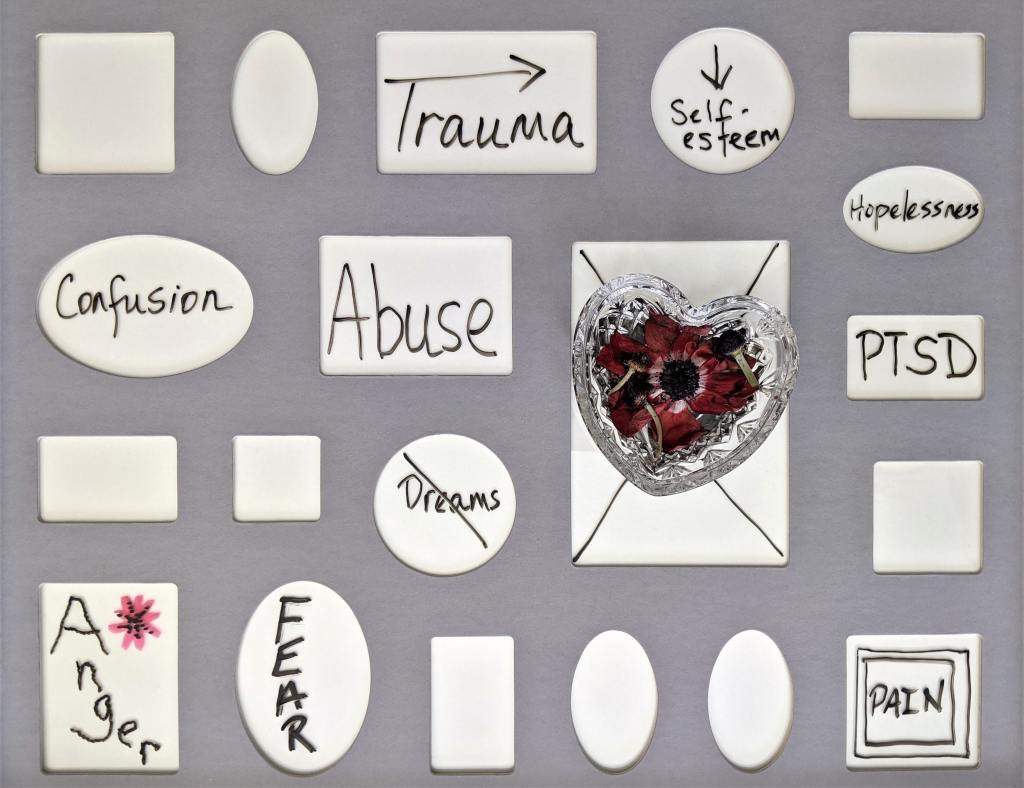
He didn’t hide who he was. He owned the mistakes he had made. He had a rough childhood but didn’t make any excuses. His father had taken him from New Zealand to live in Australia when he was a young child. This took him away from the support of the rest of his family. His father didn’t do a good job of raising him. Violence was part of his young life. Soon he became a ward of his adopted state. A volatile childhood led to an unstable adolescence. Self-medication of his trauma led to involvement in the drug scene.

He met a lady, and they thought it was love. Two babies were born before she left him to look after the children by himself. He didn’t know what to do, with no father figures in his life to base his parenting on. All he knew was he did not want to be like his own father. He tried his best, but raising children is an expensive activity. He needed money but couldn’t work full-time. He turned to dealing drugs to support his children. It worked for a while, he could buy nappies, formula and other stuff his kids needed. Things were going okay until he was caught.

Intergenerational trauma was replayed. His children lost their father to the prison system, and they became wards of the state. The tragic cycle continued again, would there ever be an escape? He was deported back to his childhood home, a place alien to this adult who barely remembered his younger years. Times were hard, he tried to keep in touch with his children but they soon forgot their father.

Continue reading

I think therefore I am? – How Much Is Enough?

Photo by Felicia Buitenwerf on Unsplash

How much is enough? This is a question not asked often enough of ourselves.

Many of my patients had been saving their fun times, their big and only overseas trip until their retirement. I’ve witnessed many tragedies as people retired and become unwell. The opportunity to enjoy their hard-earned reward stolen from them by illness. Falling unwell soon after retirement. Going from the working life to the dying life within a matter of months.

Balance must be sought and acted upon. That’s what my Aunty Helen always tried to teach me. It is good to scrimp and save but enjoy yourself along the way, as you may never get the chance to. I’ve seen it in the stories of the patients I look after. They saved up all their enjoyment until the end but were too unwell to enjoy anything.

Working in palliative care you’d think we’d learn the lesson – life is too short. Seeing this stark reality daily through others’ experiences could act as a stimulant to action. Often it doesn’t, we practitioners are just as human, just as blind as everyone else. It won’t happen to me. I’ll be one of the lucky ones. But it could. Happen to anyone.

Are you still working towards your goals and values? Are you being true to yourself and your life mission?

How much is enough?

It depends on who you ask, everyone will have answers which match their bespoke lives.

How much money is enough?

How many investments owned is enough?

How many degrees studied is enough?

How many books written is enough?

How much time is enough?

Never enough time.

Palace of Care – A Change of Plans

Photo by Adam Borkowski on Unsplash

We knew he would die soon and we asked him if he wanted us to contact anyone. He told us he would like his son to know, but he didn’t have his phone number. By this time he was too unwell and needed help with communication via social media. Our nurses helped him to send a message via his accounts. He died before he received any replies.

As per his wishes, we had arranged for a funeral director to uplift his body as he had wanted a simple cremation. He had limited savings and arrangements had been made with social welfare for a funeral grant to pay for his cremation. Our nurses again checked his social media accounts and found a reply from his son, including a phone number. A phone call was made overseas and was answered by the young man’s foster mother. She was told of our patient’s death, and said that his son wanted to come over to see him, and would arrive in town in three days’ time.

Continue reading

I think therefore I am? – A Sense of Urgency

Photo by Aron Visuals on Unsplash

The one thing I want my students to learn about palliative care patients is they need to be treated with a sense of urgency. Life-limiting illness is time-limiting illness. Therefore patients’ time must be treated with respect, as it is precious and beyond price.

If someone only has six weeks left to live and you make them spend six hours waiting in a clinical setting, you are robbing them of valuable time. Time they could spend doing important things. Having important conversations, meeting people possibly for the last chance to say goodbye. Bringing closure to long-term relationships. Time spent with friends and family. Time they could choose to do, whatever they want to.

Please do not waste their time, as they can never have it back again. No matter how much money someone has they can never buy back time. Please treat dying people’s time with respect. It is their time, not your time. Please treat palliative care patients with a sense of urgency. Time is running out for them.

I think therefore I am? – Debriefs in brief

Photo by Tim Mossholder on Unsplash

Some cases will hit you in the emotional gut harder. Maybe the situation triggers something inside you, or the patient or their family members remind you of someone that you know. These are the sort of feelings that can be reflected upon during professional supervision sessions. Something has impacted you emotionally and you may not know what it was or why it had such an effect on you. The supervisor can help you to tease this out. It’s like they hold up a mirror that allows you to reflect on your emotional responses to the patient encounter.

The risk of connecting with another human is that as a human being you can feel hurt by the relationship. You need to make a connection to work with someone closely, but the connection puts you at risk of emotional harm. Strict boundaries may help delineate where you stand with each other. Some people you will identify with more and will feel closer to. Professional supervision sessions usually occur monthly and in the times in between, you need other self-care resources.

Debriefing with your team members can be a useful exercise and can lead to team building. Acknowledging the human feelings we all have felt dealing with the case. Some cases are tragic and sadness to some extent is unavoidable. Express the grief, and get over the loss, with your teammates. If you internalise the feelings too much they may make you feel unwell and you will be a less effective clinician. Informal debriefing with colleagues can be a good thing to do. Some cases will require a more formally structured and facilitated debriefing session.

If you are feeling upset about a patient encounter, your team members will likely be feeling similar. Talking through difficult cases with each other can be helpful. Don’t bottle up the emotions. Don’t take them home with you after work. Working in palliative care we do deal with lots of sad stuff, and it can get to you if you do not proactively take care of yourself and your teams. Self-care is an essential practice and is a crucial component of any clinician’s sustainable practice. Please look after yourselves and your teams.

Palace of Care – Micro-breaks

Photo by Clay Banks on Unsplash

In Palliative Care practice I often have emotionally loaded conversations. Tough talks about death and dying are commonplace. Emotions may flow in a raw state and tears may be involved. Sometimes you are confirming people’s greatest fears. They will not be recovering, they will become more unwell, and they will die. The emotional hit can be hard and the energy is felt by the recipient as well as the provider of the information.

Human emotions can be messy and the levels of distress can be high. When in the clinical moment I have to hold it all together, to stay calm as I guide them through the rough waters. I allow the emotions to flow, to be felt as they cannot be denied. Preparing someone for their imminent death can be some of the toughest work I do and some of the most important work I do. I don’t want anyone to have any surprises, they need to know what they are dealing with. The information will be shared in a kind and gentle fashion, but some ideas and concepts hurt when they are heard. The treatment of someone’s existential distress is beyond the effects of any of the medications I prescribe.

After conversations with high emotional stakes, I will call for a break. I will remove myself and my team from the patient room and will leave the inpatient unit itself. We walk upstairs and have a drink in the staff room. We remove ourselves from the fray, even if it is for five minutes. A micro-break is had. Our bodies and minds are taken away from the physical environment where heightened emotions were experienced. We nourish our bodies with some food and drink and take some time out. If possible, we also go out onto the deck to have some fresh air and sunshine.

Soon enough we will be back downstairs to deal with the next case. The short break allows us to be present for the next conversation with our next patient.

I think therefore I am? – Dis/Connect

Photo by John Barkiple on Unsplash

One of the impacts of COVID I have noticed in the past two years is the increase in late diagnoses and subsequent late referrals to palliative care. Access to medical care shifted towards virtual means around the world and people may have put off visits to the doctor as for a while it was not easy to be seen in person.

There have been many late and in some cases too late referrals to palliative care. This creates a scramble situation as our services try to respond to the urgent need. Often in the last two years, we have received patients transferred for end-of-life care who may only have been diagnosed mere weeks before death.

We do the best we can to help them but it can feel rushed. A connection needs to be made to help the patient and their family. Rapport needs to be built and in an ideal world, we would like to have more time to build a therapeutic relationship before the patient becomes too unwell to engage with us fully. We don’t always have this luxury and have to make the connection faster. This is not a smooth process, the stakes are higher, emotions are rawer, and stress levels increased.

A short therapeutic relationship also means disconnection needs to occur in a faster manner as well. We are involved in some cases only for short days or hours in some cases. The ability to connect and disconnect without losing your humanity is an art to be developed. Strong boundary perception is important otherwise we couldn’t continue doing this job day in and day out. A delicate balance is required between connection and disconnection. Attachment and detachment. Involvement but not enmeshment. Empathy and compassion without entanglement. Human commonality and professionalism. We try our best to do enough.

I think therefore I am? – Not Feeling Myself

Photo by Alexandra I. on Unsplash

How would it feel to be unwell all of the time? Not something I had considered even though I care for unwell people all of the time. I felt that I was in good health until my recent bout of COVID. I am not used to feeling unwell and I have not liked it. Recovering from COVID I have felt exhausted and it has made a small voice inside me ask if I will recover or not? Will I feel better again? Can I go back to how I was before? Can I still do as much as I used to? Will I ever feel like myself again? My intellect knows I will recover soon. My emotions have not been so sure.

What would it feel like to have an incurable illness? To suffer from a condition that will not go away. Something you will be stuck with for the rest of your life. You will feel more and more unwell as time continues to flow on. How would it feel to be in such a situation? It will not go away, it will be something that becomes part of your life for the rest of your life. There is no escape from this situation for you. This is how you will be for the rest of your life.

No fix is possible, no change in the situation you are in. You are stuck in the prison of your own body. Things will never be the same again. You may not be able to do whatever you did in the past. How will this be for your mind? How can you handle this emotionally? What can you do to cope with this? How can you continue with your life? Nothing will ever be the same again. How can we do this? To be in such a vulnerable position will be a true test of resilience. A shock to the system. Let’s see what happens.