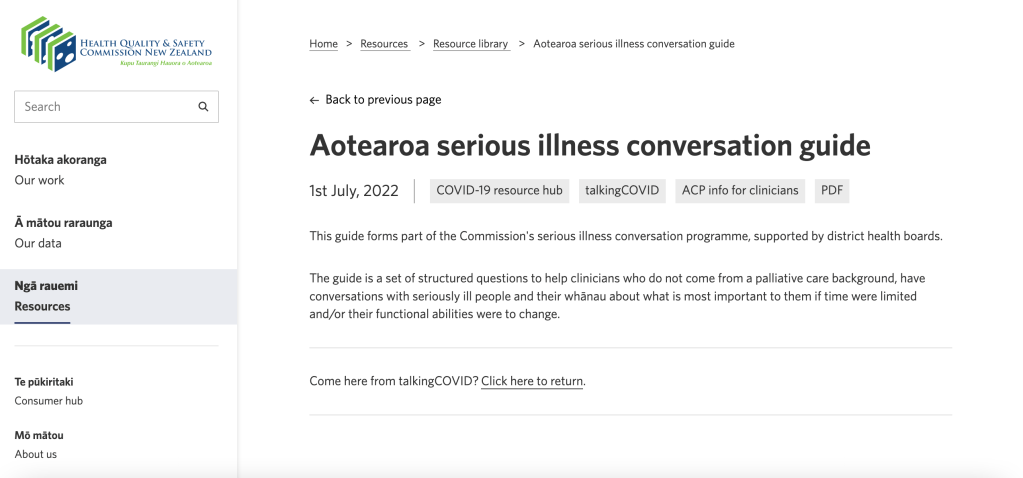
A little bird told me that a great combination if you are wanting to improve your communication skills when it comes to palliative care situations is to check out the resources below.
“I’m sleepy and tired, that’s what I do. I sleep most of the day and the night.”
“Do you have any pain?”
“No, the pain is well controlled. The urine is still bubbly. Why is that?”
“Your cancer has caused a connection between your bowel and bladder. It’s called a fistula. It’s a sign that it is getting worse.”
“Yes, I am getting worse. I felt so unwell the other day. I thought that my end had come. I just felt so deeply tired. I couldn’t get out of bed for two days. My family and the hospice staff thought I was going to die.”
“Then you woke up again today?”
“Yes, and I’m going to spend some time at home. How long have I got left?”
“I don’t know. I thought you were days away from dying a few times over the past weeks. You keep on proving me wrong, over and over again. You’re stronger than most humans. I think you’re the strongest person I have met in my 15 years of working in palliative care. I don’t know how you do it.”
“I don’t know either. I feel so tired, but I keep on hanging on.”
“You’re being yourself. I wish I could be more accurate with your timeline. You are deteriorating but your willpower is still strong, but your body is fading.”
“Yes, my memory has gone, and I talk to people who are not there, sometimes for a long time.”
“Is that distressing you?”
“No, it isn’t too bad. I can handle it but I get irritated sometimes.”
“Let us know if it gets too annoying, and we can adjust your medications.”
“Okay.”
“You enjoy your time at home. I’ll see you tomorrow.”
I virtually attended a Palliative Medicine conference over the past three days and have heard talks from a wide range of speakers. Included were a gastroenterologist and a haematologist both from specialties who are still unsure about which patients to refer to palliative care, and when to refer them.
It becomes a self-fulfilling prophecy if all the referrals we get are very late then we cannot do as much for the patients and their families. If the referral only arrives 72 hours before death or two weeks before death, does that mean palliative care is synonymous with end-of-life care? But that is not what we are trying to do in reality. Our services are happy to work alongside other specialties. A patient can be on the liver transplant waiting list and also receive palliative care from the local hospice. This is different to the USA where admission to the hospice programme means you cannot have ‘active’ treatments anymore. We have many patients who are still on their palliative chemotherapy/radiotherapy/immunotherapy and many other active treatments including haemodialysis. Even as the patient undergoes various treatments we are keen to help reduce suffering in its many forms, both physical and emotional, spiritual, and social.
How can we get this important message across? A patient referred to palliative care/hospice doesn’t mean that you have given up on them. One of my mentors Dr David Perez who worked in Medical Oncology would talk to his patients about coming to the point where there were no more active Oncology treatments available and the time had come for Active Palliative Care.
People come from many different places each with its own culture. This includes medical cultures and different ways of dealing with end-of-life care situations. I have talked to visiting New Zealand-trained registrars who had visited relatives overseas. One registrar talked about how upset he had been when he visited his grandmother who lived in a residential care facility in Asia. He knew she had end-stage dementia but was shocked by the number of invasive treatments she received as standard care. His grandmother had refused food and drink which is common in end-stage dementia. In the New Zealand setting, this would lead to a conversation in which the family would be prepared for the impending death of their loved one. The patient would be kept comfortable and nature would take its course. Not so for the registrar’s grandmother who had not been able to consent to any treatments for several years. With the approval of the next of kin, a feeding tube was inserted through her abdominal wall into her stomach. This allowed for liquid meal replacements to be pumped directly into her stomach.
This kept her alive and maintained her quantity of life, but this did not improve her quality of life. She remained unable to talk and could not recognise family members. After the registrar visited his grandmother he was upset and tried to convince his relatives to change the grandmother’s management plan, to allow for her to die naturally. He failed to shift his local family’s thinking, as the grandmother was receiving the standard treatment. The local medical culture was one of preserving the quantity of life at all costs, with no adjustment made for quality of life. The registrar was troubled by the medical culture clash.
Patients and their families may experience a medical culture clash when dealing with our local health system. They may find it hard to accept that there are no further treatments available. Helpful friends and family may make things more difficult with their unsolicited advice. “Back home this would never happen. The patient would be on intravenous fluids, and artificial nutrition, and would be having a lot of investigations.” This can make a stressful situation more so. People try to help but the way they do things may increase stress and suffering. Each case needs to be dealt with individually and with respectability.
Life is full of changes. Change is one constant you can count on always being there. Things happen and you have a choice to make. Whether to accept the changes or not. My injured right middle finger has led to some adaptations in my daily life. I have been using my left hand a lot more than usual. I have had to count on it for many of the things I do daily. For example, I have had to modify my showering and toileting. The application of armpit deodorant and body moisturiser was difficult the first few times but the seldom used nerve pathways supplying my left hand have had to spring into action. Dishwashing and cooking have become newer left-handed experiences.
I have had to modify my typing style. Have I consciously avoided typing the word ‘milk’? Or was it another symptom of my adult lactose intolerance? Problems of this ilk never troubled me before. Likely they will disappear once the finger has healed. I hope it will heal and I am not left with a permanent disability. I’ve had to perform physical examinations with my left hand. What other effects has this partial left-handedness had on my brain?
How would it feel to permanently lose body functions? These are situations which my patients have to grapple with. Incurable illness can lead to permanent loss of ability – disability. This may lead to the permanent loss of jobs and other important life roles. The losses all add up and add to the burden of suffering. When your actual whole person is threatened, and life as you knew it will never fully return. Each loss is grieved over and may or may not be accepted. A distressed physical body affects the emotions, affects the spirit, and affects your family/community. The ripples can affect many people in the wake of the initial insult.
How do people stop themselves from falling into despair when there is nothing guaranteed apart from ongoing deterioration? Some people cope well, others don’t cope at all, and most people are somewhere in between. A rock and a hard place? They need help, guidance and optimisation of community support. What can be done to make life less difficult? Which services or staff members need to be involved?
A mother, grandmother, and great-grandmother died. This news spread quickly around the world. Condolences were sent from many different countries. Nothing would ever be the same again for her family or their world. An end of an era. She had ruled for many decades and the whole household had to be on its best behaviour. Nothing would escape her notice despite the loss of major senses.
They were constantly reminded of where they had come from and who was responsible for their comfortable lives. She was ancient when her reign finally ended. There would be mixed emotions. Sadness would predominate but if everyone was being honest it would be twinged with some relief.
In her day she had been formidable, nothing could stop her from bending the will of others. The last years had become increasingly difficult. She required loyalty above all. Her body wouldn’t answer the mind’s questions anymore.
She caught COVID from her great-grandchild who had brought it home from a school camp. She survived it with no ill effect. If anything the virus seemed to sharpen her failing cognition.
Too many falls over the years but the last one was the worst. Concussion and almost death. She went into the local hospice and survived for several months after discharge.
We paid our respects with four generations of members gathered to say goodbye to her.
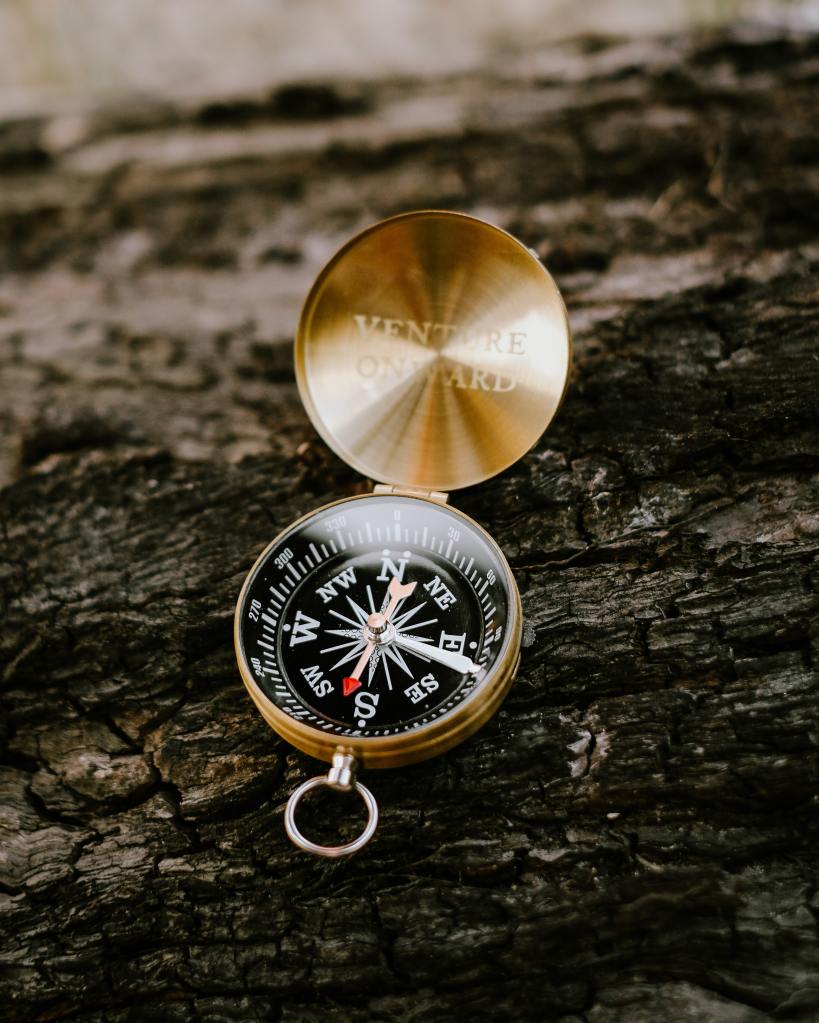
There isn’t always a map available especially if you are journeying into the unknown. That’s what it can feel like heading towards the end of your life. I haven’t been on the final journey myself but I have been alongside others during their journeys.
It is not my journey, I am not the driver. I am there to act as a guide, to help people through rough territory. I will point out obstacles along the way. I will guide you through difficult passages of your journey. I will keep things as calm as I can.
The ancient navigators had to rely on their skills in order to travel thousands of miles across vast oceans. I will use my skills to help navigate you through your final journey. I will make sure that you are looked after and kept comfortable. My goal is to eliminate as much stress and distress as possible. Your loved ones will also be along for the journey but like me they can only go so far on the journey. The final part of the trip we will have to leave you, but before then we will prepare the way as much as possible.
I went to a funeral recently and I was surprised by what the Buddhist Nun was telling the gathering. She talked about the departed having asked her to come and see them. The nun said she had been reluctant to do so as she didn’t feel comfortable seeing old people. I was taken aback as most of the funeral attendants were well past retirement age. I thought the nun had revealed too much of her personal views rather than the professional views for which people sought her out. When one of her temple followers needed her, she had made herself unavailable. I was not impressed by her dereliction of duty.
Everyone is entitled to their personal views and ideas. When they come to see you in a professional setting they are there for your best professional self, and not the personal self which might have different ideas and values. Patients and their families hope to be listened to, to be understood, and have individualised/bespoke care provided. How would you like it to be for you if the tables were turned? What kind of care would you want?
The care we provide can never be perfect. If it was perfect then a person would not be dying. We cannot hope to take away all of the trauma and grief of the survivors. It is not possible. They will be affected by their loss. We can try to decrease it as much as possible, but it cannot be eliminated.
We all take a risk when we connect with fellow human beings. The stronger the connection the stronger the potential loss when disconnection occurs. All things will come to an end eventually, it is just a matter of time. But until the ultimate disconnection comes we make choices. We choose how to spend the rest of our lives.
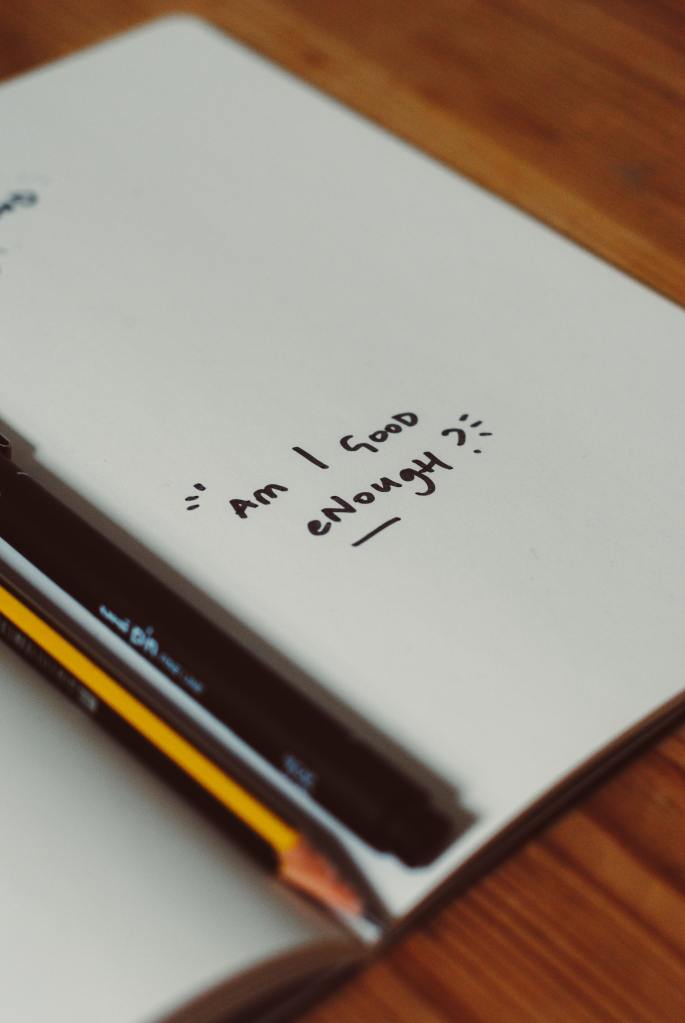
We put things off and say we will do it tomorrow, or next week or month. Not all of us make it. Working in Palliative Care we see daily evidence of life being too short. We only get one shot at life or death. Make the most of it. Forget about doing the perfect job, instead, ask yourself if your work is good enough. Have you done all you can to make a difference in someone else’s day? Have you shown them that you care? Are you willing to take the risk?
How can I tell when someone is about to die? I have had practice, especially over the 15 years I have worked full-time in palliative care. It is not so much a science as an art. You try to find evidence to prove your diagnosis. A person has become less active. They need to rest or sleep more. They have become less mobile. They are eating less. They are losing weight. They are losing their interests. They are engaging less with the world around them. This might be what we see in the months preceding death.
In the weeks all of the above continues, and there is an overall diminishing of a person. They may be physically shrinking before your eyes. Cheek and other facial bones become more prominent. Their movements may slow down. Movement of limbs, movements of bowels. The body’s functional ability becomes impaired. This could lead to loss of balance and falls. Falls could lead to minor injuries like skin tears or bruises, or major injuries such as broken bones. The appetite worsens even more. Sense of taste and smell may fade, as the body starts to fade away.
I often talk about the spark leaving people’s eyes. In Māori, they talk about the Mauri or life force of a person. Which could be a synonym, maybe spirit or soul could also fit. Mojo could be another. The sign of an energised being, a sign that life is still there to be lived. No matter how physically frail a body may become the spark can hang in there for a while. It can be hard to describe exactly what it is.






 palliverse.com