
Palace of Care – Keeping a Promise

Photo by Thomas Serer on Unsplash

In our family, our word is our bond. When we say something, we mean it. We promised him we wouldn’t take him back to hospital after his first operation. But we broke the promise because he was too unwell. He had another operation but it didn’t work out, everything fell apart. He was in too much pain. We again promised him not to go back to hospital, but then the blood clot happened. He was in so much pain, and we had to wait so long before the nurses would come to see him. We were all crying, all three of us.

He wants to go home. Even if it is just to die at home. To watch one more football game with his son. That’s all he wanted. To go back to the home that he built for us. We kept asking them to let him go home. Instead, they sent them here to your hospice. This place is nice enough. You people are all nice, but he wants to be at home and spend time with his family.

This morning he’s different. He’s lost all hope. He started saying goodbye to his house. He thinks he’s never going to get back there. He thinks he is going to die here. We had to get out of hospital yesterday. We couldn’t take it any more. We’ve broken our promise to him again, to take him home. I’ve never seen him like this before. What can we do now?

He’s really unwell. I think his bowel is blocked. I think he is dying. He might only have days left to live, but it could be much shorter. We haven’t been able to make him comfortable yet, but time is running out. We have a chance to get him home today. I’d rather he be more comfortable but I’m worried that if we don’t get him home today, he will miss his opportunity. I know how important it is to him and the whole family to get him home. We can make it happen today.

I’m going to stop the blood thinning medication, as it won’t be able to help him any more. I’d much rather he die quickly from a blood clot than die slowly from a bowel obstruction. I know how much he hates vomiting and making a mess. I know you are all still upset about what happened in hospital but I need you to focus on your husband while he is still alive. You can sort out the hospital stuff later. Right now we need to teach you how to give him injections so that you can look after him at home. All right, we need a bit of time to sort out the prescriptions and other stuff. We’re going to make this happen.

Palace of Care – Relentless Pursuit

Photo by John Thomas on Unsplash

It’s one thing after another, after another. I’m not usually like this but over the last months I’ve been worn down. It’s too much to handle. I’m not sure I can go on any longer. I feel so terrible. I don’t think I can take much more. You know what I think is happening? I think I’m dying. I think I’m dying.

You might be right, but you’re not dead yet. You’ve had a lot happen to you in hospital. The operations, the blood clots, the infection. Nature’s been trying to take you out.

I just want to go home. I love my home. I built it myself, with my own two hands. Your place is better than the hospital, but it’s nothing compared to my own home.

Sure. We’ll try our best to get you home as soon as possible. I don’t think you’re ready yet. You only arrived a few hours ago. We need to get to work calming down your pain and nausea. I want you more comfortable before we can get you home. The last thing I want is for you to bounce back and forward between home and here. I would like to prepare you for one good discharge.

Okay, that sounds good. I just had to get out of that hospital. I couldn’t stand it any more. I wanted out so badly. It’s just too much to take. Sobs loudly

We’re going to get you through this, and your family too. We’re going to keep a close eye on you and will treat your symptoms aggressively as we know you want to get back home as soon as possible. Do you have any questions?

Palace of Care – Easter Face/Off

Photo by Jerry Yu on Unsplash

Easter was about to arrive. At the last minute, I asked my wife and daughter if they had bunny ears I could borrow. They replied yes but they were unable to or me. Just like an Easter Egg a cunning plan was being hatched. Leftover Christmas decorations were examined and a pair of antlers were found. With the addition of cardboard, staples, and a hair tie, bunny ears had been produced out of thin air.

I wore the bunny headband for my whole workday. Anything for a laugh. The patients and their family members bore witness to my madness.

Later in the day, I met the son of one of our patients. He didn’t have clown makeup on and was of a serious demeanour. Facial tattoos adorned both cheeks. A proud member of one of New Zealand’s infamous gangs. We were both in the room because of the patient. Both of us trying to do the best for him. I tried my best not to stare at his facial tattoos. He tried his best not to stare at my bunny ears.

“Happy Easter,” were the first words I said to everyone in the room. Reading the logo tattooed on the son’s cheek I found out he was a member of team blue. I’d had a number of dealings with various members of this gang in the past. He stayed outside of the room but popped his head through the open window. I spoke to his father to see how I could help. Pain, nausea and hiccups were the main issues troubling my patient. He knew he was critically unwell and agreed with my plan to calm down his symptoms. His wife couldn’t keep a straight face as she tried not to laugh at my bunny ears. On that lighter note, I left the room.

A few minutes later our charge nurse had to go back in to talk to the patient’s son. He was smoking cigarettes on the balcony outside of our patient’s room. She asked him politely to stop smoking as it was a health and safety risk as our balcony is wooden and at risk of fire. He put out his cigarette without any comments or fuss. We have rules we have to comply with otherwise we’d be shut down.

We look after all sorts of people from all sorts of backgrounds, and all sorts of families. Even hardened criminals can be vulnerable when their loved ones are dying. They need to be treated with compassion and professional courtesy regardless of our own personal opinions. They want our best professional opinions when they meet us at work.

Palace of Care – Shorts 3

Photo by Pars Sahin on Unsplash

Will another CT scan make things worse for her?

The scan itself wouldn’t make much difference. But the energy used to go out and get it would not be a good use of the precious time she has left. We only do tests if the results might change our treatment plan.

I wouldn’t recommend a scan as we already know what’s going on.

It would make it more real for us. We know what is happening, without the tests.

But she really wants it.

We can’t request scans ourselves. You’d be better off contacting the Oncologist, to ask his opinion.

How much time does she have left? Will she still be alive in two weeks’ time?

I don’t know. She might still be alive, or she might not last that long.

Is there anything else that we can do to treat her?

No, the Oncologist has tried all available options. If there was anything else available he would have done it already. I’m sorry.

We don’t want to be sitting and waiting. We want to do something.

Her time has become so precious.

Nod.

We will always be trying to do our best for your wife. And sometimes that might mean saying no to things you ask for.

Palace of Care – Shorts 2

Photo by Kier in Sight on Unsplash

You’ve been very unwell.

Nod.

How’s your chest, any pain?

Shake of head.

Do you still have nausea?

It’s pretty bad.

And your breathing?

No good.

How long have you had the hiccups?

Two days.

What did the doctors at the hospital tell you about your condition?

They said it’s no good.

Did they talk to you about time?

They said it was bleak.

Nod. We’re going to work on making you more comfortable. Starting with your nausea and breathing.

Okay.

We’ll see if we can calm things down for you.

Palace of Care – Shorts 1

Photo by Andrea Dibitonto on Unsplash

I’m sorry for your loss.

Are you sure he’s died? I thought I saw his nose move before.

Let us check. There’s no heartbeat, no breath sounds. No eye reflexes to light. He is dead.

Tears. I can’t believe he’s gone. He was such a good man. A good husband.

A very good man who looked after his family.

The cancer came on so fast. He was often doubled over in pain. It was horrible to see him suffering like that. Then he couldn’t eat. It was awful.

Yes, it was. No more suffering now. He can truly rest.

I thought he could hold on for longer.

He tried to. His mind was strong but his body became too weak. It was too much for him to handle. How long have you been together?

43 years. I’m two years older than him. He wasn’t supposed to die before me. He looked after me so well when I had cancer.

Palace of Care – Level of Detail

Photo by National Cancer Institute on Unsplash

When it comes to being told stuff do you want to know the full details?

Nod.

My colleague said that you want us to be straight up with you, is that right?

Nod.

What did the doctors at the hospital tell you?

They said it was pretty bad.

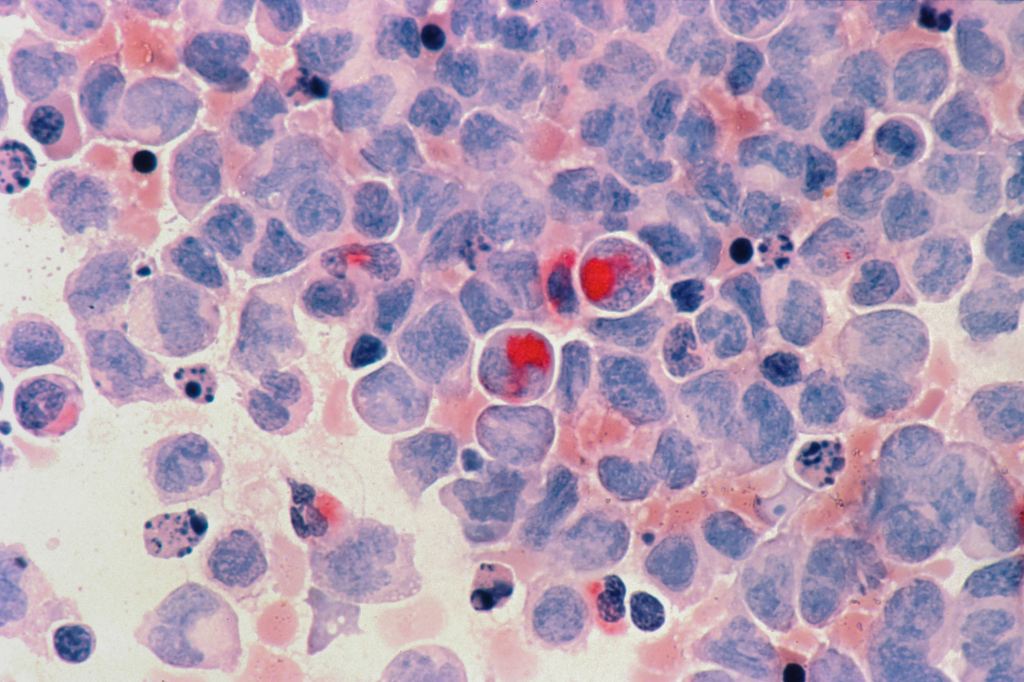
Yeah. What happens with Leukaemia is that one type of abnormal blood cell takes over the bone marrow. The bone marrow is your body’s factory, it makes all the blood cells. The red blood cells carry oxygen around. The white blood cells fight infection and the platelets stop bleeding. The leukaemia is stopping all of these blood cells from being made. This is really dangerous as your immune system can’t work any more, and any infection is dangerous. You are at risk of bleeding. The leukaemia cells cram up your blood vessels and they can block them off which would cause painful areas to appear.

Nods slowly.

Did they give you a timeframe?

Shrug.

Would you like me to talk about your time frame?

Nod.

I’m not sure how much time you have left. It could possibly be only days to short weeks. Things could worsen quickly and then you might only have hours to days left.

Oh.

We want you to know that we are prepared for what usually might occur in your kind of situation. If you need emergency treatments we want them to be available at any time.

Nod.

I’m sorry to have to give you bad news. If you still have important things you need to sort out, it’s better to do it now while you are still clear in the head. Better early than too late.

Points to his computer. That’s what I’m doing.

Good. What’s the most important thing to you right now?

Points to his partner. She wraps her arms around his head and cries into his hair. He clutches her arm tightly and cries into her forearm. They hold each other tight and sob loudly.

Let it all out. It needs to come out. You are safe here. We are all here to help you. We will get you through this, both of you.

Palace of Care – Deadline

Photo by Tim Gouw on Unsplash

The work was different in the past week. In between clinical tasks, I worked to meet a different deadline. I wasn’t writing my own work, instead, I had assumed the role of publisher.

One of my patients had written five books and had always wanted to have them published. In recent weeks he became critically unwell and was unable to publish his books himself. Thanks to what I had learned over two years as a member of Writing In Community I started helping him publish his books using Amazon Kindle Direct Publishing.

Last week I had a different kind of deadline pressure to work under. I wanted to publish his books before he died. Every day his condition worsened. His time was running out. I still had other patients to review.

In my spare time, I worked on his books. Preparing cover pages. Adjusting blurbs. I didn’t have enough time to edit the over 1000 pages of words. It meant a few late nights and I ended up arriving for a video interview with less beauty sleep than I had intended. Would I make it in time? Would he still be physically capable of viewing his own e-books? I wasn’t sure, he was deteriorating every day, becoming sleepier and more unwell. He was dying

I converted the MS Word documents into epub books. I took my laptop into his room and showed my patient the finished products. Not a perfect job at all but good enough in the time constraints I was under. Phew!

I confirmed with him when he wanted the books to go live. Books two to five could go live right away. For Book One, the most personal one, he wanted me to wait until a month after his imminent death.

The next morning he wasn’t able to speak to me any more.

I wasn’t surprised when the month countdown started less than a day later.

I think therefore I am? – Live Q+A

Photo by Samuel Regan-Asante on Unsplash

After presenting my first lecture the other morning I fielded some live questions from the audience. The last question asked what had happened to hospice. “You started off well, were highly active and looked after patients well. Nowadays it’s as if hospice has lost its way. What’s going on?”

What’s going on? A question I had been asking myself about the hospice sector at least since 2016. Our founding mother Dame Cecily Saunders was a change agent, she was a disruptor. She identified a population with great need, cancer patients for who all treatment avenues had been exhausted. In the 1950s these patients would often die with great suffering. Dr Saunders would not let this happen on her watch and did something about it. This was an act of activism which led to the modern hospice movement spreading across the whole world, as the needs of patients are present globally. Lots of actions were taken by passionate people who wanted to bring relief to the suffering.

In recent years I think the hospice movement has ground to a halt. They have become protectors not just of the status quo but of the stasis quo not wanting anything to change. If they had their way we’d still be in the 1950s, doing what we could with the small number of skills and knowledge that were present in those times. It is now 2023 and a lot has changed. The Covid-19 Pandemic we are coming out of was a stark reminder. The current Global Financial Strain 2023 that we are going through makes for tough times. We can’t just sit still on our throne as if we were King Canute trying to turn back the tide.

What would Dame Cecily think if she was still alive? I think she would be shocked that some organisations which call themselves hospices are not practising patient-centred care. Instead, they are providing staff-centric care or organisation-centric care to the detriment of individual patients and their families. They cling to the seven most dangerous words in the English language as if it was their holy mantra to be repeated if there is even the slightest hint of change. “That’s the way we’ve always done it.” As if intoning the phrase provides them absolution from all sins, including the sin of neglect. Dame Cecily would be disgusted that hospice staff are putting their own needs in front of those of patients and their families.

I often say to my patients that when it comes to what may be their final journey, I am not the driver, they are. I am their GPS, I am there to guide them, there to identify what obstacles may lie ahead. To warn them of dangers and of any possible detours. My job is to try to make their journey as smooth as possible. I am not here to judge the for the choices they make. They might want to pursue treatments that I think would make their tenuous situations worse. They have to do the right thing for themselves and their family. We need to show them we still care because in some instances it’s not clear to the patient or their family. We can do better than that. It’s time for us to grow up and show up. It’s time for us to get over ourselves and become activists again. The 1950s were good in their day but that was over 70 years ago.

Palace of Care – It’s hard enough just breathing

Photo by Mick Haupt on Unsplash

“The last thing I remember was waking up early to watch the Rugby Sevens, after that I woke up in hospital,” was what he wrote using a green erasable marker pen. In between sentences he would wipe his mouth with tissue paper. A combination of stroke loss of function and rapidly growing mouth cancer led to him not being able to close his mouth fully. Saliva would pool in the lower left corner of the mouth before gravity would send a small waterfall running down his jawline. He was quite conscious of this and had already tucked three extra tissues under his chin to catch the drool.

The next sentence he wrote said, “my sister didn’t know that I did not want to be resuscitated if I became unwell again.”

“Do you mean you wish they hadn’t treated you the last time you were in hospital?”

Nod.

“Since leaving hospital you’ve stopped most of your medications. If you were to get another pneumonia would you want to be treated?”

Head shake.

“If your heart or lungs were to stop working, would you want us to try to start them again?”

Crosses his hands in front of his face, and shakes his head with vigour.

“You’ve had enough haven’t you.”

Nods his head three times.

“There’s too much going on. Your lungs aren’t working, your heart isn’t working, and you’ve had a bad stroke. Then you got a nasty mouth cancer on top of all that. Isn’t that a bit greedy of you?

Shrugs shoulders while smiling with the right side of his mouth.

“I know you are in a lot of pain from cancer and you’ve had bad nausea. Are you still wanting to have the tube feeds?”

He wrote, “It’s hard enough just breathing.”

“You don’t have to have anything that you don’t want to. Your body is so unwell that it can’t process the food, that’s why you’ve been vomiting and have had loose poos. You are struggling. I’d like to try to calm down your breathing with some medication.”

Thumbs up.

“Your family are coming to see you soon?”

Nod and half-smile.

“I’d like to start some medications for you through a syringe driver.
I’d like to calm down your symptoms over the next couple of days. Please let us know if there is anything you need. We’re going to get you through this.”

“Thank you.”

“Thank you for building our hospice.”