Sneak Preview from Bedside Lessons – Chapter 77 – Freedom to Choose

Photo by Dessidre Fleming on Unsplash

Working in the community palliative care team I don’t meet in person most of the patients that are under our team’s care. I often have to provide advice to people that I have never met and have to count on my staff members’ assessments as the basis of knowledge of each patient. This is how our specialist support is provided from a distance, this allows me to have about 350-380 patients under my consultant remote control supervision at any time. Often I will provide advice that will be conveyed to the patient and their family doctor to be actioned.

This is the story of someone I never actually met but whom I provided advice on, an elderly Jewish lady who was a Holocaust survivor. I never found out which concentration camp she had lived through but somehow she had stayed alive when many had not. Separated from her family whom she never saw again, made to endure hellish conditions, tattooed and emotionally scarred for life, she somehow made it through. She moved to New Zealand, married a local man, had children, and grandchildren and lived a rich and rewarding family life.

Continue reading

Palace of Care – The Band Plays On

Photo by Matthew Kalapuch on Unsplash

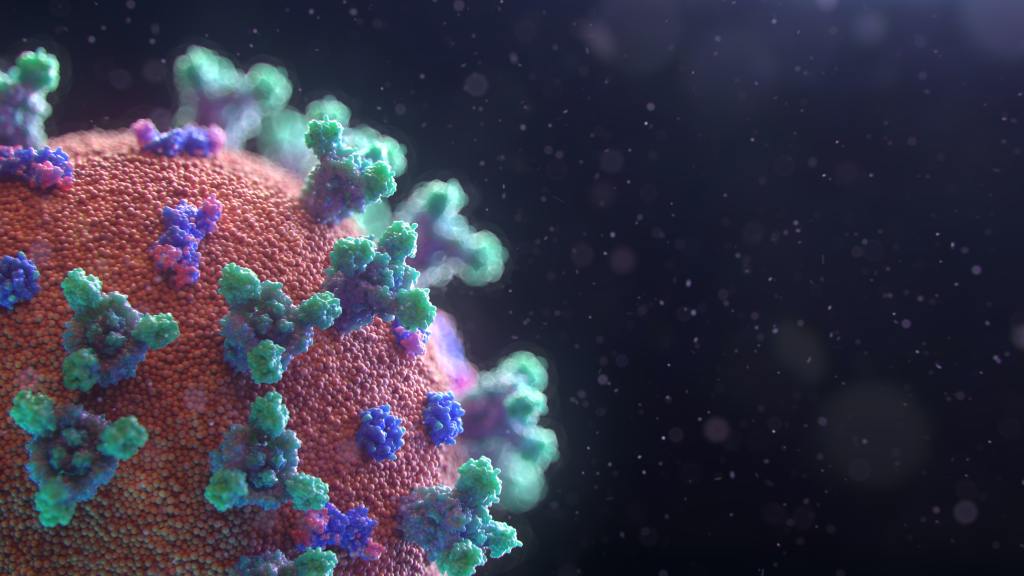
My little coronavirus rock band continue their tour of my body. They wrapped up their sold-out concert in my throat and the music was so loud my ears are still stinging. Today’s destination was my lumbar spine and they played their achy breaky music with gusto. No matter how often I stretched throughout the day the music of the band drowned out all other signals.

I have to be honest I am sick of all the merchandise the band brings along to each venue they play at. The congested stands of my nasal sinuses couldn’t stand the pressure any longer. The burning man set up in my throat yesterday is still smouldering and ready to reignite at a moment’s notice. The worn-out muscle fibres evidence that this band of players have worn out their welcome.

The uncertainty of each day of illness. Will I feel better when I wake up again? Will I be in less pain than yesterday? These are questions I am considering each day and are they similar to what my patients must ask themselves? I’ve only been unwell for a few days but my compassion for those who suffer from chronic illnesses is growing.

Maybe tomorrow the band will head down to my feet and then it will be my pleasure to kick them out of my body. There will be no request for an encore.

Palace of Care – COVID Symptom Trading Cards

Photo by pisauikan on Unsplash

New day, new symptoms. The whole body aches and pains subsided today which was a relief. Just as I was lulled into a sense of lessening unwellness, something else arrived to knock that idea out. A sore throat the likes of which I had not experienced since I had my tonsils taken out as an adult came to say hello. I would describe it as swallowing rusty liquid razor wire. It was such a lovely greeting that with each swallow I was overwhelmed with emotions and tears came to my eyes. I threw all the medications I had at it, and then some, but nothing worked apart from lying down in the foetal position, but that didn’t bring any relief. Or was I lying down in the recovery position? Probably not as I do not feel recovered as of yet.

I was hungry and had to eat through each painful mouthful. The dry crusty parts of the bread were like sandpaper on my disease-ravaged throat. I winced and grimaced through each gulp of food. My appetite had returned but had to contend with the pain barrier. I persisted and after a few minutes, the pain started to abate. If the drugs don’t work make your own. As a response to the pain, my body produced endogenous opioids, bringing relief to my agonised throat. The second half of the meal was swallowed with relative ease.

Both of my Latissimus dorsi, those big wing-like muscles on the sides of our backs, were aching today as if I’d had a huge workout yesterday, which I hadn’t. My pectorals on the opposite side of the lats also felt similar. I had not done any heavy lifting at all but had done some coughing yesterday. Curious symptoms continue to be collected. What will happen tomorrow?

Palace of Care – Omicron BA.5 variant Top 10 lessons

Photo by Rodrigo Curi on Unsplash
  1. Writing is difficult when you have brain fog.
  2. Pain does override everything else going on.
  3. End-of-dose pain return is a thing.
  4. Oral medications take a while to kick in.
  5. Nerve-related pain sucks.
  6. I am not alone, many others are going through the same symptoms as me.
  7. Friends have been kind and have offered to drop stuff off.
  8. Being sick for even two days feels awful, I can’t imagine what it feels like for my patients.
  9. It is demoralising when you’ve taken all your medications and you are still in bad pain.
  10. Writing is difficult when you have brain fog.

Palace of Care – A Painful Day

Photo by Fusion Medical Animation on Unsplash

Two stripes on the RAT test confirmed my suspicions, after a night of fevers and body aches. COVID positive. Painful muscles and joints, headache and some hyperalgesia.

I make it a habit to expose myself to some suffering daily with 30 seconds of a cold shower each morning to wake me up. Twice a week I go and train Brazilian Jiu Jitsu. Through this sport, I have learnt to keep calm in uncomfortable situations. Fighting against painful joint locks and against choking attempts has built my resilience.

Today I feel that I have overdosed on pain, which has persisted despite my taking Paracetamol and Ibuprofen. Putting up with pain is exhausting which I had some inkling of from the many patients I have cared for. A doctor needs to have some suffering experience to understand what their patients are going through, but today’s lesson has been a bit too long and unending.

I am hoping for a better tomorrow.

I think therefore I am? – Culture Clash

Photo by Nick Fewings on Unsplash

Each place has its way of doing things and when people from different cultures intersect there may be clashes and discord. Some cultures will under-treat, and others will over-treat. Where will Goldilocks feel most comfortable? Too much of a good thing isn’t always a good thing. The most expensive treatments aren’t always the most effective.

Inequity pervades the world. NZ-trained doctors who have traveled back to Asia may be shocked that people with non-survivable strokes are kept on life support for weeks or even months as standard practice. Their relatives with end-stage dementia are fed via tubes and the quantity of life may be prolonged for lengthy periods, of up to years. This does not always come with any discernible quality of life benefits.

People may be from healthcare cultures in which the patient and family can have whatever they desire if they can pay for it. This can include experimental therapies with or without scientific bases. Desperation can lead to high sales figures but is there any care in those types of healthcare? People search all points of the compass but do they find any compassion? Expectations are set but people do not become settled. When time is of the essence is it correct to waste it without people’s informed assent?

Palace of Care – Heart Follows Mind

Photo by Kelly Sikkema on Unsplash

Her brain had no trouble accepting what was happening but her emotional heart took longer. The love of her life for over 45 years of marriage was dying. The doctors had warned that he might become confused and agitated as his condition deteriorated. He was comfortable and the pain relief had taken a few days to optimise. He was more relaxed and then deteriorated. He became less lucid as we neared the end of the week.

A clash of cultures became evident thanks to some of the visiting friends of the family. “You have to ask your doctors if they will give infusions to your husband. In China, he would be having lots of intravenous fluids, and other treatments such as tube feeding.”

We had to explain that artificial hydration would be too much for the dying person to handle, and would worsen skin swelling and likely worsen his breathing. We did not want to add to his already heavy burden of symptoms. His wife indicated she understood our rationale. We explained he could die at any time.

Intellectually his family could accept the ongoing bad news, but when it came to emotions it would take much more time. Their loved one was dying and all they wanted to do was to help but didn’t know how to. Mouth care was a task that we delegated to them. Our counsellor was asked to talk to the family.

Their brains understood the words we shared, but their emotional hearts couldn’t understand the language and operated on feelings instead.

Palace of Care – A Reluctant Patient

Photo by DDP on Unsplash

I first met our reluctant patient in the outpatient clinic with his girlfriend. It had taken a number of phone calls before he would come in for assessment. He was scared of hospice and had resisted his Oncologist referring him to us. He didn’t know what we were about and what he didn’t know frightened him.

He had been unwell with cancer for over a year with severe pain making him unable to sit or lie down for more than an hour at a time. Sleep was difficult for him and he was woken up several times a night by burning pain that spread down his right leg. He wasn’t keen on any changes in medication, and it took much negotiation for him to allow us to increase the doses of the pain relief agents he was already taking. He didn’t want to consider anything new, just yet. As his pain was so severe I offered to admit him into the inpatient unit but he wanted to stay at home.

Over the next month, his pain did improve but any relief would only last for a few days at best. We again offered to admit him for pain control but he still wasn’t ready. Some weeks later the pain had worsened bringing tears to his eyes. His mother and girlfriend were exhausted and felt helpless as they couldn’t help reduce hisWith encouragement from his mother and girlfriend he agreed to be admitted.

We started him on a different opioid that afternoon. The next morning he was full of smiles. He told us he was pain-free for the first time in two years. He stayed a few more days as we helped him with other issues, and then he went home. As well as good pain control we had built a trusting relationship that would help during his next admissions.

Palace of Care – Maturity Crash Course

Photo by Kyle Glenn on Unsplash

She was still a child when we admitted her to our inpatient unit. 21 years old but she acted more like a teenager. She had been unwell for five years with bone cancer and had undergone many treatments. She had spent a lot of time in hospitals and had moved from her hometown to be closer to live in the same city as the treatment centre. In her last hospital admission, she had been troubled by a racing heartbeat and had been reviewed by heart specialists.

She was nervous on arrival at the hospice, and she wanted us to discuss any changes with her Oncologist. She had been under his care since her first treatment and she wanted him involved in any treatment decisions. We were happy to involve him and discussed our proposed changes with him. He said that he would defer to us when it came to palliative care issues as he felt we had more experience. Over the next week we built up trust with our young patient, and we were able to control her pain well enough that she could go home.

After two weeks she had become unwell with worsened breathing and ended up in the hospital. They scanned her and found cancer in her lungs had worsened. She asked if she could be readmitted to hospice and a transfer was arranged for the same evening. Medications to ease her breathing was started.

She was reviewed on the ward round the following day and was started on high-dose corticosteroids which initially helped her breathing. A few days later she asked to speak to the doctors. She said that she understood that her lungs were in bad condition, and without medication, she would die. She asked if she could stop her medications. She had discussed this with her family and they wanted to support her decisions.

She chose to stop her treatments and wanted nature to take its course. We provided symptom control medications to keep her comfortable. She died a week later.

Between the first and second admissions, she had grown up a lot. A young girl had grown up into a young woman over a few weeks. A brave young woman who took control of her situation and chose to stop active treatments, opting for comfort care only. She went out on her terms and did it her way.

Palace of Care – RIP Technoblade

Photo by 卡晨 on Unsplash

Today tragedy leaked from the internet and into my home and many millions of homes all over the world. 23-year-old Minecraft YouTuber Technoblade has died. He had written the last message to his fans only eight hours before he died. He had asked his dad to read out his message on this video. If you watch the video make sure you have some tissues at hand.

Technoblade was diagnosed with cancer in August 2021 and continued to post his popular videos even whilst undergoing various cancer treatments. With his usual generosity, he continued to share his entertaining insights with his 10 million followers.

Millions of ‘kids’ all over the world have learnt about the reality of life with cancer. Today they have experienced the death of someone who they may have gotten to know over many years of watching his videos. Grief has appeared on their drop-down menus, and they may not know how to deal with these unknown feelings. A huge reality check has occurred and the stark difference in real life is there is no respawning.

An online companion can no longer keep them company. Loss of life has led to a loss of childhood innocence. Please take care of your kids as they mourn during this sad day on the internet.