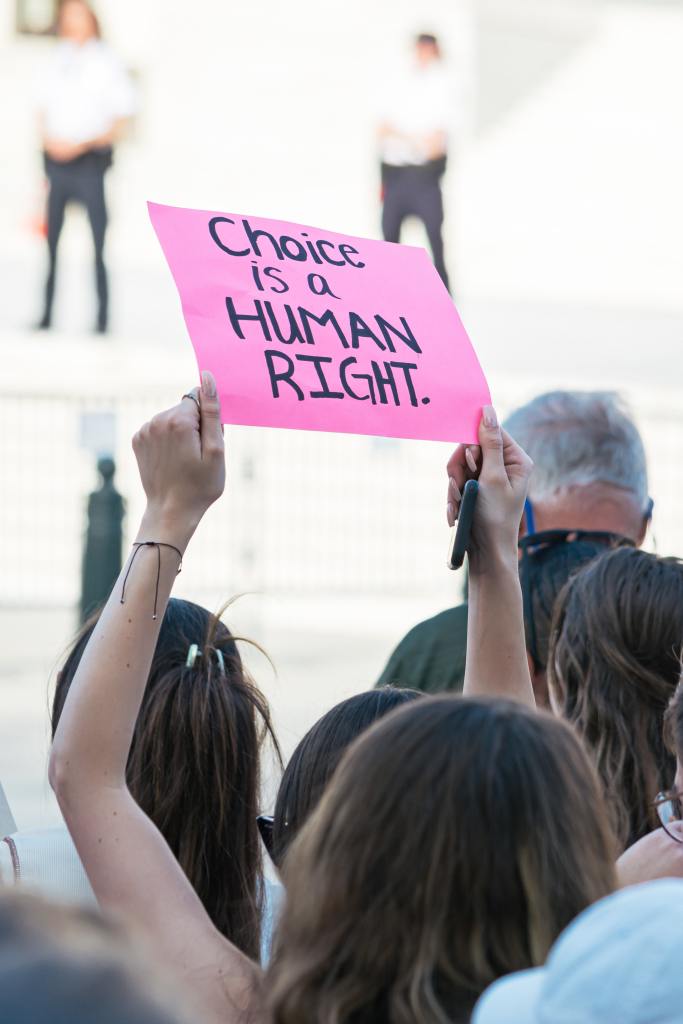
I think therefore I am? – Who does health information belong to?

Photo by Wesley Tingey on Unsplash

This was a question that came to mind after a past colleague theorised about changing a patient’s prognosis to more than six months left to live to stop them from accessing the assisted dying service. I was shocked that they would consider doing something like that. In plain English, it would be telling a lie. Lying to a patient and not giving them your true medical opinion. An opinion that required at least 13 years of training to develop, but one they could consider defiling by not telling the truth. To me, this was wrong on many levels and was one of the main reasons I didn’t miss the ex-colleague much.

Honesty is something our patients deserve. We need to let them know what is going on to the best of our abilities. We are not fortune-tellers and we cannot predict the future but we can provide our best educated guess. People usually want to know how much time they have left as it puts a lot of things into perspective. It makes them focus on what is really important to them. Who is important to them, and who they want to spend their precious time with. What things do they still need to complete given the limited time left? Where they draw the line. What is too much for them to handle? To rob them of these opportunities is wrong.

A person’s prognosis is not owned by the doctor, it is the patient’s prognosis, not their family’s, or their parents’ or children’s. It is their own prognosis. They can do what they like with the information. It is their property and can be used as they see fit. To deny someone the truth about their end of life is such a bad thing to do. You might not agree with what a patient, or what another person chooses, but that does not give you the right to sabotage their plans. They have already lost so much control of their life and a so-called professional would try to stop them from attaining a dying wish.

We are supposed to provide patient-centred care, not doctor-centred care. We exist to serve our patients. They do not exist just to provide us with work, they have lives of their own, stories of their own. It is not about us. Palliative care is supposed to be focused on the needs of the patients and not the needs of the providers. Anything else is just wacko.

I think therefore I am? – Right and Wrong

Photo by Andrej Lišakov on Unsplash

It is important for me to do the right thing for my patients. In order to do this I need to know them well enough to know what the right thing for them is. I have my own ideas but they might be completely wrong or completely against what they think is right for them. I have to be careful not to fall into the trap of thinking that I know better than the person themselves. They are the expert when it comes to themselves not me. They are the owners of their own lives and have been making decisions for themselves for the whole of their lives. They were not born yesterday, but in the case of palliative care patients, they might die tomorrow.

I look after patients but that does not mean I own them. They own themselves. Prior to meeting me they were fully grown adults, living their own lives, making their own choices, choosing their own destinies. My job is not to tell people what to do. My job is to find out what people need and to try to help them with it. If my set of professional and personal skills can help them meet their need then I can help them. If I don’t possess the skills they need from me then I will refer on to someone who does have those skills. It’s not about me, it’s about them.

It is disrespectful to treat people as if they are children when they are fully grown adults. I worry about some people who work in palliative care doing that, treating people as if they were babies. Incapable of making their own decisions, needing us to make decisions for them. This is the wrong thing. Taking on the role of a parent, but we are not our patient’s parents. How would we feel if we were treated like that? Disempowered, disrespected, dismissed?

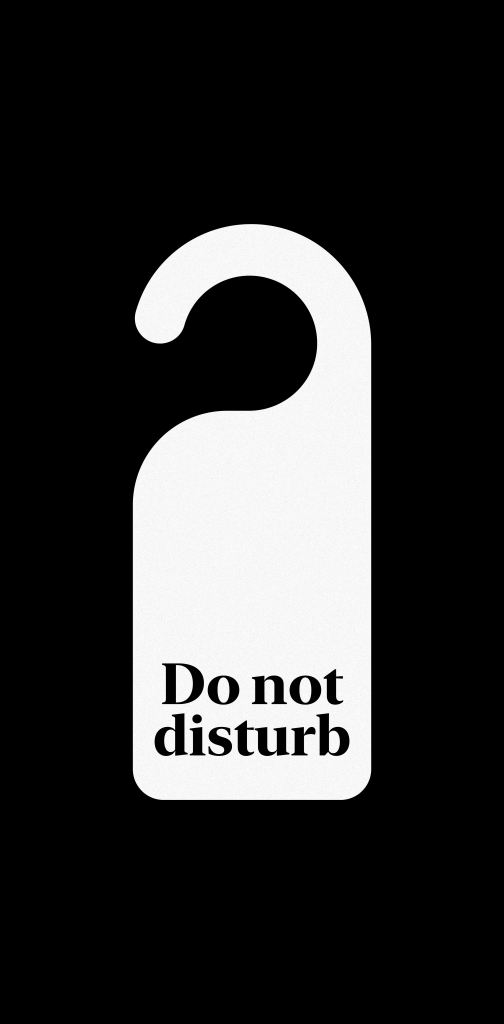
I think therefore I am? – Do Not Disturb

Photo by visuals on Unsplash

Most hospice inpatient units will have do-not-disturb signs available on each patient’s door. It can be hung out by the healthcare team when a patient is being assessed or if something is being done, e.g. patient bathing. It is used to indicate to other people not to come in as the healthcare team is busy with the patient. This is in contrast to most hospital settings I have worked in that do not have these signs available for use. Closed curtains around a bed do not stop people from barging in. Privacy can become a distant memory.

Are do-not-disturb signs patient-centric or staff-centric tools? Could a patient and their family be empowered to use the signs when they want some privacy? Intimacy is not encouraged in clinical spaces but may be something which is deeply missed. Could a more patient-focused do-not-disturb sign be created? A time-out-please sign. The patient might want to have an important conversation with a loved one. They might want some time to themselves away from the healthcare staff. They might want to do things that represent normality to them. When time is running out it becomes precious and I would like people to spend their time in whatever way they choose.

I think therefore I am? – Speaking from the gut

Photo by Towfiqu barbhuiya on Unsplash

I often joke about my increased use of gut instinct over the last ten years as my gut has gotten bigger. The truth is I have been using more intuition. Sometimes ideas just feel right. I need to tune into the person that I am assessing. I need to use empathy to try and discover what makes them tick. What drives them? What is important to them? What keeps them going despite insurmountable odds? Who are they? What goals do they still have, even at the end of their life?

The practice of mindfulness meditation has helped me to answer some of the questions. It has helped me in trying to obtain a ‘read’ of the people I am interacting with. It allows me to meet them as they want to be met. On their terms, using language and concepts they can understand. I will listen to you. I will be guided by you. I am here to help, in a way that you want to be helped. I am here to learn from you because you are the expert when it comes to yourself, not me.

I know my place. I am not your boss. I am not your parent. I may be friendly but I am not your friend. I need to maintain my professional distance in order to remain objective in the care I provide. I need to be able to connect with you in order for us to understand and work with each other. We will come up with a bespoke plan together. Any decisions made will be shared between us. A true therapeutic partnership is what I am trying to grow between us. It will take work on both sides in order to make it happen.

I promise you that I will try my best to do right by you. I wish I could do more. Together we can work together to try to improve your quality of life. I will try to look after you as a whole person. You are so much more than just a physical body. There is a story about you and I am here to hear you tell your story. I will listen actively and allow you to talk without interruption. I’ll be your guide for what may be your final journey.

Any questions?

I think therefore I am? – Choices

Photo by Gayatri Malhotra on Unsplash

For those of us working in Palliative Care, we must remind ourselves that we are only briefly there in our patients’ lives. We might only appear briefly in the final chapters if it was a book. We have a small part to play in a person’s life as a whole. We provide episodes of care which usually end with the death of our patient. Mostly this is also the end of our relationship with the patient’s loved ones. We make our decisions, offer our suggestions and give our advice before leaving for the day. Our involvement may be as short as hours to days, sometimes weeks to months, but it is a small period.

The patient and their loved ones have to live with their decisions for the rest of their lives. In the case of the patient, only a short time. For their family much longer. They have to do what is right for them. To make sure they have no regrets. To make sure that everything has been tried to keep someone alive.

Even after 15 years of full-time Palliative Care work it is still hard to step aside and let someone do something that you disagree with. You are confident you can control their severe symptoms, to provide comfort, but the patient and/or family are not wanting to buy what you are selling.

No one likes being rejected. To have their best attempts at helping not accepted. For alternatives to be chosen instead. It is hard to witness suffering and not do anything about it.

I want something else. I want to follow someone else’s recommendations.

I want to help you. I really want to help you. Please let me help you.

No. Thank you. I need to do this. We need to do this.

Don’t take it personally. You hardly even exist in their lives. It’s not about you. It’s about them, and what they want to do with what little remains of their life. They want to call the shots. To take control. Even if the only control they can take is a refusal of treatment. They are making one of the few choices they have left. It’s not about you. It’s about them. What is important to them? What is right for them?

I’ll get out of your way then.

It’s not like that.

Yes, it is. I’m getting in your way. I’m holding you up from doing what you need to do. You know where to find me if you change your mind.

It was important to keep on side with them, to show that we would listen and allow them to take part in the decision-making. That we meant what we said. You are the driver, not me.

Our patient might’ve suffered more than they had to but it was the right thing to do for them and their loved ones. They did what they needed to do. So they could live with their decisions, for the rest of their lives.

Providing patient-centred care is not easy.

I think therefore I am? – The Final Lap

Photo by Stephen Margo on Unsplash

In the approach to the finish line, there is an acceleration. Bad things start happening faster and faster. One physiological insult after another. The body just can’t keep up with the relentless series of assaults. Nature is trying to take someone out. Symptoms that are already present worsen. New symptoms develop and cause more suffering. There is only so much a person can take, no matter how strong a fighter they are. The mind and spirit may still be strong, but the flesh has become weak.

The family urge them to hang on. They are trying their best but there is little to hold on with. They are slipping away from our world. They are dying and there is nothing humans can do to stop it from happening. It is up to higher powers now, it is out of our hands. We can make people more comfortable but we can’t save every life. There’s just too much going on, too much going wrong.

I’m worried that time has become really short. There might only be hours to short days left to live. I’m worried they are suffering, that they are really struggling. We want to make them as comfortable as possible. Medication changes could make them more comfortable. The main side effect is sleepiness. At this stage of things, even if we took away all of the medications they would still be sleepy but would be very distressed. If they are distressed this will make you all distressed.

I’m sorry this is happening. I need you to know what is happening and what is going to happen. I can’t let there be any surprises between us. Yes, please talk amongst yourselves. I’m happy to come back later to discuss this further. I just want you to know that we are looking out for their best interests and that their comfort is our top priority. We’re going to get them through this, we’re going to get you all through this. Please let us know if you need anything.

Palace of Care – Right to Choose

Photo by Oliver Roos on Unsplash

Empathy – to try to imagine what another person feels like, to put yourself in their shoes, and to try to see things from their point of view.

Compassion – To identify another person’s suffering and to want to do something about it.

Autonomy – The right to make your own choices for yourself.

After years of training and more years of clinical practice, I try my best to practise medicine in a compassionate manner. I try to find out who they are, what drives them as a person, how I can help them in the way they want to be helped.

I try to do my best to inform them of their options, of what I think lies ahead for them. I try my best to take as much stress out of their individual and familial situations. I draw upon my years of experience and up-to-date knowledge. I am not afraid of showing that I care for them and I really want to help them out.

On occasion, they will reject my best-laid plans. They will resist my best attempts to sell them my product. They will not want what I have to offer. This is especially difficult when I am sure that my management will likely make them more comfortable, that it will probably lead to alleviation of suffering.

No, thanks.

Inside me a voice starts to talk – “What do you mean no? You can’t be thinking straight. I’m pretty sure I can make you more comfortable. Can you give it at least a try? I just want you to try something which I think has a good chance of helping you.”

Get out of the way son….

It is hard when someone chooses a path that will lead to more suffering, but it is their choice to make. Their right to do what they want at the end of their life. Just as it has been their right to choose what happened during the rest of their life, why does that have to change because they are dying?

It is hard to bear witness to someone else’s suffering when they don’t want to take the treatments we have to offer. I promise people that I will listen to what they want or don’t want and will be guided by them. I have to keep my promise. They have to do what is right for them and their family.

As health care practitioners we are only involved for a brief period of time. Our patients and their families have to live with the decisions they make for the rest of their lives. Generations of a family can be affected by the choices made. They have to do the right thing for themselves and we need to give them the opportunity to do so.

Palace of Care – Straight Up Now Tell Me

Photo by Larm Rmah on Unsplash

Things hadn’t been going so well in recent weeks. Our patient had needed to come in for treatment which helped one of their issues, but came at a great cost. Pain was made much worse for most of the day after the treatment was given. This was on top of a high background level of pain already. I suspected our patient downplayed their pain. They were well versed in putting up with significant amounts of pain. There was no questioning their toughness and strong determination.

I said to them, “anyone else would not have been able to handle what you had in the past year. Most people would’ve stopped treatments after the first two cycles, but you had more than ten cycles. I think you have stayed alive through sheer will power alone.”

We had come to the point where, “First Do No Harm,” had to be considered. The treatment we had provided had made the symptoms worse, it had increased the suffering experienced. The entire management plan needed to be reassessed, with the patient and their spouse. A meeting was scheduled for the next day.

Continue reading

I think therefore I am? – No Sale

Photo by Alexander Cifuentes on Unsplash

Despite my best efforts sometimes people just aren’t interested in what I have to sell. I am trying to work in the best interests of the patient. I want to make them as comfortable as possible. If there is pain I want to alleviate it as much as possible. If there is breathlessness I want to do something about it. Untreated distress in a patient will lead to distress in their family members. Similar to the care philosophy in Paediatrics, in Palliative Care practice you need to consider the patient, and their loved ones as the unit of care.

The duty of care is to the patient above all but consideration for their loved ones is essential. They will be the ones who will survive this episode of care. Reduction of their distress needs to be considered secondary to reduction of patient distress. Most of the time we will all be on the same page. The patient wants their distressing symptom relieved, as do their loved ones, as do the clinicians. Everyone is in agreement and things are relatively simple.

This is not always the case though. At times I identify suffering in a patient and I will recommend a course of treatment. All treatments will have side effects, with a lot of the medications we use sleepiness is a common side effect. The patient may not want to feel sleepy and will try to put up with the distressing symptom themselves. Or their family will want them to be as alert as possible, which may come at the cost of comfort.

Continue reading

Palace of Care – You Are All On My Side

Photo by Sorin Gheorghita on Unsplash

The hospital palliative care nurse called me to refer a lady in her late 80s who prior to admission had lived independently until she started falling over. It was minor slips with minor injuries, then moderate trips with moderate injuries. In the past week she had a major fall, resulting in life-threatening injuries. Hospital tests showed that her chemical balances were all out, that a lot of bones and organ tissue had been replaced by cancer. The reason that she had lost her physical balance was that the cancer had invaded her spine, crushing the spinal cord and rendering her lower body weaker and then paralysed. She could no longer move her legs, but unfortunately could feel pain, and in fact her legs had become hypersensitive to pain. The bundle of nerves that make up the spinal cord do not like being pushed on, and scream out in protest.

During her week in hospital she had almost died twice. Each time, somehow she had recovered. Each time she was left devastated that she had recovered. From being fully independent, she had become fully dependent, a situation that she found impossible to tolerate. She had some stern conversations with The Almighty, she was not happy with what he had chosen for her. Her beloved husband had died over 30 years ago and there wasn’t a day that she didn’t think about him. She wished to be at his side again.

She asked the nice hospital palliative care nurse about the assisted dying service that she had heard about. Printed information was provided which was read and digested, with some difficulty as the pain in her legs and bottom still bothered her despite the pain relief she was given. She thought that she would qualify for assisted dying, having met all of the eligibility criteria and still maintaining her decision making capacity. The palliative care nurse said that no-one in the hospital provided the service, but that a referral could be made to the Ministry of Health in order for them to assign a practitioner to her. A process that would usually take two to six weeks to complete. Her ward team made the referral to the national service.

Continue reading