Palace of Care – Waiting For?

Photo by Belinda Fewings on Unsplash

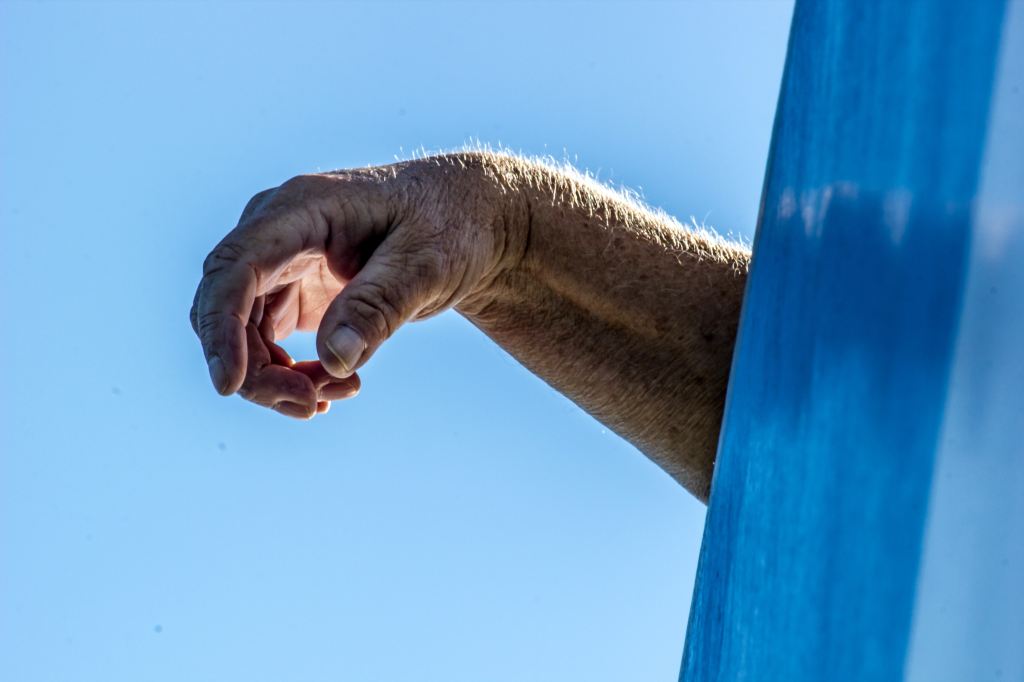
Was he waiting for his brother to come and visit him?

Despite trying his best he couldn’t come as his visa was not granted. The best they could do was to arrange a goodbye via video call. Not in any way a replacement but better than no contact at all. The too common experience of extra suffering caused by geographical distance. The brutal trade-off that all immigrants have to face when they leave home. They move in pursuit of a better life for themselves and their families. The costs of separation might have been considered but do not sink in until tragic events occur. An ocean away can feel like a galaxy away. The unfulfilled wish of being there in a time of need. Reunions depend on the whim of bureaucrats who, at times, are felt to be heartless, lacking in empathy and disconnected from the human race.

What was different in the past week? How did he hold on? Why?

During his dying phase, he had spent more time with his ex-wife and daughters, than he had in many years. One of his biggest regrets was not spending more time with them before he had become unwell. The events preceding the divorce had stuffed it all up. During his final admission, there was always someone staying with him, 24 hours a day. A sensible roster had been set up between his wife and daughters as they held their combined vigil. Was he trying to extend his precious time with his ladies for as long as possible through sheer willpower? Maybe. He was beyond asking. We could never know for sure.

He died last night, in the presence of his family. He had outlived our prognostication by many days.

Rest in Peace Sir.

Palace of Care – Healing in the Hospice

Photo by Riho Kitagawa on Unsplash

I’ve had relatives who’ve come in before but they never made it out, they died after a couple of weeks. When he was asked to come in we were pretty nervous, we didn’t quite know what to expect. Yeah, we were scared. We had to do something though. His tummy pain was real bad, but it was his anxiety and panic attacks that were the worst. He’d freak out and I didn’t know what to do. I’d freak out too. His pain was controlled after a couple of days in hospice, then his panic attacks settled down. This was despite having received the worst news ever, that he had cancer.

We didn’t know they were looking for cancer during the last three months. We thought they were trying to find out why he was constipated. We didn’t know why he had lost 30kg of weight. He had always loved food but then he had no appetite. The poos kept on changing, sometimes hard, sometimes soft, sometimes with blood. They stuck a tube up his bum to have a look but they had to stop because the sedation they gave him almost killed him. It was a shock when the hospice doctors told us that the other doctors thought he had cancer.

The other great thing about being here in the hospice is that it is neutral ground. It was safe for him and his ‘niece’ to meet up here. You allowed us to have some space and they were able to start talking. Yesterday they ended up just going to a cafe together and they sorted out the issue between them that had kept them apart for decades. He’d done some stuff in the past. He’d done his time. Coming here to hospice allowed them to heal. Deep healing of the spirit happened yesterday. He came back a changed man. A father and daughter were able to connect with each other, to start to build a relationship that had been broken for years. It was good for the grandchildren to see this happen. It’s good for the whole family. We couldn’t have done it without what you have provided us here. It means so much to us. Thank you so much.

Palace of Care – He’ll Be Right Mate

Photo by Pawel Czerwinski on Unsplash

I didn’t know what to do. He tried the spray and it helped his breathing and panic a bit. Then he needed it again and again. He wanted to call an ambulance and go to the hospital. I didn’t think that would help much. They might’ve taken him to hospital and then eventually back to the hospice.

When he couldn’t catch his breath he freaked out. He started panicking. He was too scared to go to sleep. He was scared he was about to die. I’ve never seen him so scared. I stayed up with him through the night. We’re both pretty tired.

He’s felt safer since coming back to hospice. He’s more comfortable because there’s always people who know what to do. I didn’t know what else to do. I’m not sure if I could handle giving him injections. It was stressful at home.

I just want him to get better. If his breathing was better then he wouldn’t panic. Maybe then he could get to sleep at night instead of during the day. He went outside and felt a bit better in the cold. Having the window open helped.

You can make him better right? If you get the right medications then he will be back to normal again. Then everything will be fine. Just have to get the right medications, then he’ll be right again.

Palace of Care – The Last Dance

Photo by Jusdevoyage on Unsplash

Thank you for taking him home, that would’ve made him really happy.

As soon as he got home he wanted to go back to hospice. He really likes it here. When he was last here he was dancing with the nurses and singing as well.

How did it go at home?

It was hard. He didn’t know what he wanted. Things kept on changing quickly. We couldn’t cope with him at home. He was very confused at times and demanding and angry.

Unfortunately, the people you are closest to can be treated the most harshly when people are very unwell.

Is he in a coma?

Yes.

But he’s still able to move at times, and he opens his eyes but doesn’t really interact.

Yes, that can happen. He is deeply unconscious but may still be able to move. At other times he might be more wakeful, with lots of ups and downs. This is normal for dying people. He might have only days left to live, but it could be much shorter. No matter how much time is left we will try to make it as comfortable as possible.

Thank you.

Palace of Care – Time Is Short

Photo by Emanuel Ekström on Unsplash

I don’t think she has much time left.

I think you’re right. She has deteriorated a lot, even overnight.

She tried to talk to us around 4 am, she recognised us but went back to sleep. I think she can still hear us.

I think so too. She will be comforted by hearing your voices. To know that you are looking after each other. Otherwise, she will worry.

That’s my sister, always worried about everyone else. She was starting to get confused in the last two days.

That can happen when you are really unwell, we see it all the time. We’re going to make some changes to her medications to calm everything down. I want to keep her calm and peaceful like she is now.

Good, that’s all we want.

We’re going to get her through this. We’re going to get you both through this as well.

Thank you.

That’s why we wanted to give her some more time here. She’s in the right place, we are going to look after her. You two need to be the family members now, let us do the caregiving.

Okay.

Please get some rest when you can and let us know if you need anything.

Palace of Care – No False Hope

Photo by Trym Nilsen on Unsplash

I couldn’t provide them with what they wanted. It felt like every time I went in there I had more bad news to share. They wanted me to say something different. They wanted me to suggest other treatments and other tests. I had nothing new to offer. All the stones had already been turned over. They were willing to take even false hope, but I was an unwilling vendor. I didn’t want to burst their bubble, but I felt like I needed to.

They had tried everything humanly possible to stay alive. They had pushed for tests and treatments and they had managed to keep going for years longer than most people. The more lines of cancer treatments you go through the lower the likelihood of success. They were up to the final line of treatment. Treatment could not be provided without significant side effects occurring. A difficult balancing act. A costly negotiation to take part in. A trade-off had to occur.

If it was all about effort expended they would have lived for many more years. They had tried harder than most people could have. After years of triumph, they were finally faced with their ultimate defeat. They wanted to stay active, to continue doing something. They didn’t want to just wait for death. There was nothing else to be done. The best treatments we had might’ve improved comfort and quality of life, but could not affect the quantity of life. The limit of Western Medicine had been reached.

Palace of Care – Keeping a Promise

Photo by Thomas Serer on Unsplash

In our family, our word is our bond. When we say something, we mean it. We promised him we wouldn’t take him back to hospital after his first operation. But we broke the promise because he was too unwell. He had another operation but it didn’t work out, everything fell apart. He was in too much pain. We again promised him not to go back to hospital, but then the blood clot happened. He was in so much pain, and we had to wait so long before the nurses would come to see him. We were all crying, all three of us.

He wants to go home. Even if it is just to die at home. To watch one more football game with his son. That’s all he wanted. To go back to the home that he built for us. We kept asking them to let him go home. Instead, they sent them here to your hospice. This place is nice enough. You people are all nice, but he wants to be at home and spend time with his family.

This morning he’s different. He’s lost all hope. He started saying goodbye to his house. He thinks he’s never going to get back there. He thinks he is going to die here. We had to get out of hospital yesterday. We couldn’t take it any more. We’ve broken our promise to him again, to take him home. I’ve never seen him like this before. What can we do now?

He’s really unwell. I think his bowel is blocked. I think he is dying. He might only have days left to live, but it could be much shorter. We haven’t been able to make him comfortable yet, but time is running out. We have a chance to get him home today. I’d rather he be more comfortable but I’m worried that if we don’t get him home today, he will miss his opportunity. I know how important it is to him and the whole family to get him home. We can make it happen today.

I’m going to stop the blood thinning medication, as it won’t be able to help him any more. I’d much rather he die quickly from a blood clot than die slowly from a bowel obstruction. I know how much he hates vomiting and making a mess. I know you are all still upset about what happened in hospital but I need you to focus on your husband while he is still alive. You can sort out the hospital stuff later. Right now we need to teach you how to give him injections so that you can look after him at home. All right, we need a bit of time to sort out the prescriptions and other stuff. We’re going to make this happen.

Palace of Care – Goosebumps

Photo by michael schaffler on Unsplash

What’s in the bowl on the table?

That’s sand and a shell from his favourite beach.

Really?

Yeah, and in the bottle is seawater from the beach. He spent a lot of time on that beach and in that water during his life.

Wow, I’m getting goosebumps just hearing about it. Oh hello, Aunty, how are you?

I’m good. Just let me play him something on my phone.

Oh, what are you playing?

Sounds of waves hitting a beach.

From his favourite beach?

No, but most beaches sound pretty similar, right?

Oh right. That’s a really nice thing to do.

The beach and water are where he is heading. He’s going to see his Uncle and they will go sailing together again.

Just like when he was a kid.

Yeah, that’s when his lifelong love of sailing began. He told us today that he’s ready to go. Do you think he will die today?

He might do, but that’s what I said six days ago. I’m not sure, he’s stronger than most humans. But he may have finally let go. No matter what happens we will keep him comfortable.

Thank you.

I think therefore I am? – Chosen One

Photo by Camylla Battani on Unsplash

There’s usually one person in the family who is the go-to person when it comes to anything to do with death and dying. They are the one that everyone else relies upon when times get tough. They are the one who is called when a life is at risk. They are the one that everyone else counts on to get them through tough situations. They are there to liaise with the medical teams. They will drop everything to attend to the needs of the unwell person, even if it means their own needs do not get attended to for some time. They are the one who copes on behalf of everyone else. They will translate the bad news into more acceptable language.

They didn’t get a choice in these matters. Everyone else just turns towards them. They end up being a key conduit of information, from the family to the healthcare team. They will also relay information from the healthcare team to the rest of the family. The bad news may be broken to them in the first instance and they will broadcast the message in a way that their family will understand.

It’s difficult being that person. You are so busy taking care of everyone else, that you don’t leave much in the tank for yourself. You keep on doing your assigned roles. Someone has to do it. When everyone else is busy grieving and crying, someone has to call the Funeral Director. Someone has to organise the service, the funeral booklets, what songs to play, and what speeches are to be presented. No time to grieve when there is so much to do. That can wait until everyone else is taken care of.

Sound familiar?

Palace of Care – Fathers and Sons 3

Photo by Vanessa on Unsplash

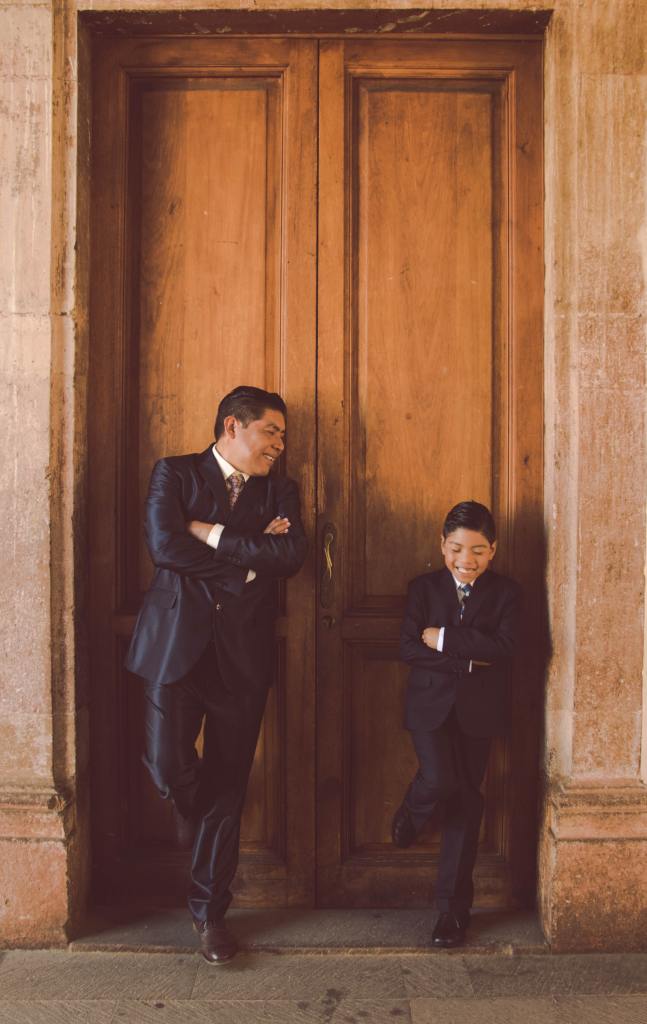
Generations of his family came together to join the bedside vigil. Grandchildren who were out of town came home to see the beloved ol’ fella. His cheeky smile was still there to greet them all but with each day his energy levels decreased. He needed to sleep more. His appetite dropped off steadily.

They knew time was short. At the start of the admission, over a week ago, they had been told there might only be days left. Dad kept on proving them wrong. He would still rouse to their voices but had become too weak to talk.

The son came in every day and saw his father melting away. Intellectually he was prepared for the loss of a parent. The scenario had played out in his mind ever since the diagnosis was confirmed. The emotional organs always took much longer to catch up with the thoughts.

How much longer could he go on? He had always been strong, but nobody expected him to still be alive. The hospice staff were just as surprised.

“I’m not sure how long he’s got left. If it was anyone else they probably would’ve died last week. I’m not even going to try to guess. He is getting closer, his breathing is changing, and he has become more agitated. It could be hours to days, but that’s what I told you two days ago. He’s going to do things at his own pace, in his own way, just like he always has.”

The son was on the other side of town when the call came through. He raced back in his powerful car as fast as he could, but he was too late. A lifetime of memories washed over him as tears tracked down his cheeks. He had to put his grief on hold as his assigned role in the family took precedence. Someone had to find a funeral director, organize the memorial service and look after everyone else. Again. He took a deep breath in, sighed, and started making phone calls.