Some interactions in palliative care with patients and their families can be hard to handle. e.g. breaking bad news to younger people. Some conversations are intense and emotionally draining. In any hospice inpatient unit (IPU) the staff may need to have a number of such conversations with different patients during any given ward round. Often the team may be about to visit the next patient and may still have remnants of the previous case on their mind. This is when I would lead everyone away for a short break.
It might be heading upstairs for a hot drink and a quick snack. A short walk outside for fresh air and a dose of sunshine or it might be heading out into the rain. A reset /restart button is activated. The team is led away from the site of upset feeling for five minutes of self and team care. A brief respite from the frontline. Good role modelling, leading by example.
We might only have been away for a short period of time but on our return we feel better and more open to tuning into the next patient’s problems with our full attention.
If you are a clinician why don’t you try adding small breaks into your schedule after intense patient encounters? Do they work for you?
Things were changing on an almost daily basis. Worsening fatigue led to less activity and more sleep. His appetite was dwindling away as his pains continued to grow. He told us he wanted to go to where he came from. Back to his ancestral homelands. He wanted to revisit where he had grown up. He wanted to see his extended family again. His window of opportunity was closing. If he didn’t go soon he would not be able to. The clock continued to tick away. Time was running out.
No-one knew how the trip up North would go but he was so keen to try. One last road-trip with all of his children. It would be the first time his youngest had ever been away from home. He wanted to introduce his new baby to the rest of the family. To show her where he came from. She probably wouldn’t remember much as she was too young, but everyone else would. “That photo was taken when Dad took you home for the first time.”
We wished him luck as he gathered himself and left the hospice for the weekend.
The blood tests were all deranged and matched what I had found on examination. She was dying. I maintain a no surprises policy. I don’t want my patient or their loved ones to be surprised by sudden deteriorations which could lead to death. They needed to know. I had to tell my patient and her gathered family what I feared was happening.
“I’m worried that everything is getting worse. If this continues I think there might not be much time left, maybe only days. I’m sorry to have to discuss this. I think you are dying. I’m going to try my best to keep you comfortable. We haven’t tried the steroid treatment before. I’m hoping that it will help you feel more comfortable.”
My patient was too weak to talk, her face was covered by a towel. Her family said they understood and thanked me for telling them what was happening.
“I’m sorry this is happening, I wish I could stop it.”
I was surprised when my patient reached her hand out to grasp mine.
She said, “It’s okay. Thank you for helping me.”
I swallowed hard and promised I would keep on trying to make her comfortable.
As soon as I left the room the family made arrangements for her child to come in from school. They had to prepare him for what would happen.
Recently I was at a research meeting in my role as a clinical advisor. In the gathering were a number of kaumatua (Māori elders.) We were all asked to share our pepeha, our introduction. Each member of the group was given time to talk about themselves. Where they were from. Who their family of origin was. How did they get to Aotearoa New Zealand. Which mountain and river they are connected to. The kaumatua in the room listened intently to each person’s story and they were actively trying to find connections with their personal stories. It was almost like speed-dating, trying to build rapport, to build connections between previous strangers. The Māori call it whanaungatanga – getting to know each other. Something that is really important for people who are planning to work together.
Again this makes me think about how we do things in the clinical realm. When we first meet our patients and their whānau/family each party are strangers to the other. In Western medicine the getting to know each other is usually one-sided. We want to know as much about the patient as possible without giving away much about ourselves. What would it be like if we introduced ourselves through a pepeha? Would it lead to more opportunities for human to human connection? Could the establishment of rapport possibly lead to the establishment of trust? You know what? I’m going to give it a go. I’ll let you know what I find out in a future post.
The patient arrived and looked as unwell as she had sounded on paper. Advanced end-stage illness, worse for wear after many weeks in hospital. Poor sleep night after night. Recurrent bad news relayed, unclear if understanding had been checked on or not. The standard restaurant question, “how’s your meal going?” is not asked in most clinical settings. I was told they appeared wary and slightly suspicious of what we had to offer. They had just met our team, they did not know us, we did not know them. They were assessing us as much as we were assessing them. We were not there to be opponents or combatants. We needed to connect in order to work together on the same team. If it wasn’t for the patient, none of us would be in the same room as each other. We were strangers who needed to try to collaborate with each other.
First impressions count. I relaxed my control of my Kiwi accent and let my inner hometown boy speak. I slipped in as many indigenous words as I knew to make it clear that their culture and traditions were welcome here in our hospice. I mentioned that a Chinese dude would be leading the singing practice the following morning, songs written in their language. “Please join me, I need all the help I can get. I’m tone deaf, I don’t understand what musical keys are, but I am loud. I once had singing lessons, but my wife asked me to ask the teacher for a refund.” The sound of our shared laughter was the background music to our rapport building project.
“We’re going to take things one day a time. We’ll get to know you. You’ll get to know us. We’ll all work together to get our patient/family member more comfortable.”
Trust has to be earned, one interaction at a time. We may only get one chance to connect. Give it your best shot.
We thought she still had weeks left to live. We didn’t know it would only be hours. She died suddenly and the family asked the nurses to perform CPR – cardiopulmonary resuscitation. The nurses calmly and gently refused. They knew it wouldn’t work, she had been too unwell. It would only cause her further harm with no possibility of benefit. Her distraught family’s tears flowed freely.
When we were informed of the sudden death we were surprised but not shocked. We knew she was dying but had not thought it would be so fast. There was nothing more we could do for our patient. She had died. The care package needed to be directed towards the survivors, her family members. We came in to talk to them, to try to explain what we thought had happened. We wanted to try to calm their distress, to try to prevent complicated grief.
We expressed how sorry we were for their loss. We told them we didn’t know exactly what had happened. We thought it was due to overwhelming disease. Nature could not be controlled by us mere humans. It was too much for even the strongest of women to handle, even with the greatest level of loving family support. She had tried her best to hold on to life, but it was not to be. The family accepted our explanations and uncertainty. They did not want her to have any further investigations. There had been too many over the last months.
They said she had loved it in our inpatient unit. She had felt well looked after. She knew we were all trying our best to help her out, and the family too. They laughed when they recounted a story about their loved one’s ultra direct communication style. They hugged us as they thanked us for the care provided. We wished we could’ve done more.
They asked if they could all stay with her overnight. They needed to look after her as per their cultural traditions. They needed to look after each other as a family. It had likely been a long time since the siblings had all stayed the night together with their mother. It was their last chance to all be together as a complete family, as tomorrow she would rest in her final bed. We made a compassionate exception as the family needed to do their duty. They also needed to start their healing process. Bedding and more space were prepared by our staff, as if by magic.
It can never be perfect in palliative care, if it was perfect she wouldn’t have been sick, she wouldn’t have died. Had we done enough? We were trying to do our best to make her comfortable before she died, and we were never going to stop trying. We had listened to her and her family regarding what she wanted and didn’t want. She had died suddenly but peacefully. The family were sad, but they were not destroyed. Life would go on. We had done what we could. We had done good enough.
I’m very sorry for your loss. If I had known how little time she had left I would’ve told you. We operate on a ‘No Surprises’ policy. We want people to know what is going on as they might have important stuff they need to do. That’s why we kept on bringing up heading South. We were worried that time was becoming shorter, but we didn’t think it would be this short.
The Oncologist had said that with treatment she might live for two years, maybe five to ten years, and some people have lived for 20 years. It was a shock this morning when you told us she might only have weeks to months left to live. We cried together this afternoon, then we were both so tired and fell asleep. Dinner had come and she was still asleep. I tried to wake her up but her breathing was strange. It sounded like how my mother’s breathing sounded before she died. That’s when I panicked and called the nurses. They came in to see her and stopped the medication pumps. A few minutes later and she was gone.
I’m so sorry. We always try to warn people when the end is near, but sometimes we don’t get any warning. We were still trying to get her comfortable so that she could travel down South as soon as possible. I’m not sure exactly what caused her death. I think it was her cancer getting much worse. The medication side effects might have had something to do with it, but likely only a small part. The only way we can find out for sure is to arrange for an autopsy, that would tell us what happened. We can make a request if that is something you and the family would want.
No, we don’t want anything more to happen to her. We didn’t know the cancer was so strong.
Yes it was too aggressive. It caused too much pain and distress. It was too much for anyone to handle. She kept on fighting it but it was too much. No more suffering, she was exhausted.
Thank you for looking after her. She really loved it here. She trusted you guys.
I wish we could’ve done more for her. We wanted to get her back down South.
What went wrong doctor? We went out for coffee just that morning. He was okay when I left him. The next day he was raving mad.
The afternoon he arrived when he talked to us, we thought he was joking when he said he thought people were keeping things from him. Later in the night he became confused. The next morning he was agitated. The urine test showed that he had an infection and we started antibiotics. Since then he’s become more unwell with his heart failure and lung disease. We think he’s dying. He’s been very distressed and we need to calm him down.
I’ve told him off because of some of the things he’s been saying.
He can’t help himself. His body has become too unwell and that has made his mind confused. It’s not him saying those things, it’s the illness. If he knew what had been going on he would hate it. We need to calm things down for him, he exhausted but he can’t relax enough to fall asleep. We want to make him more comfortable.
Is he going to recover from this?
No, I don’t think so. It will get worse. We’re not going to hold back when it comes to controlling his symptoms. He will likely become more sleepy if we can make him more relaxed.
Okay, we need to go out and arrange things for the next stage. Can you keep him alive until we come back?
I’m not sure if we can do that but we will make him comfortable no matter what happens.
She stooped as she kissed him on his forehead. “See you soon darling, you keep an eye on everyone while we are out.”
Yes, it could actually be much shorter if she deteriorates faster.
Thanks. We have things we need to prepare.
No matter how long she has got left we will do our best to keep her comfortable.
Thank you.
She’s been an important part of you and your children’s lives.
Yes. It’s hard, it’s the first time we’ve been through something like this.
We’re going to get your mother through this, we’re going to get you all through this. If you have any worries or concerns please share them with us. Our job is to take as much stress out of this situation as possible. Please let us know if there is anything we can help you with.
Thank you. We brought you some cakes.
You brought three cakes, that’s very generous of you.
Yes, one for each of the nursing shifts.
That’s nice of you to think of each of the shifts.
The staff have looked after us all well. Thank you.
That’s what we are here for. We’ll see you later, try and get some rest when you can. Thanks again for the cakes.
Yesterday afternoon she told her story well. She recounted her recent bouts of illness which had culminated in her last hospital admission. She was keen to go home as soon as possible. The way she looked it appeared she had a good chance of making it there. The plan was to optimise her symptom control and then discharge home would be considered. She was in good spirits and was glad to have arrived in our inpatient unit.
The first night was disturbed by worsened pain, agitation and confusion. When we reviewed her the following morning, she was very unwell. This once talkative lady was unable to respond to voice. We diagnosed that she was dying. Generations of the family were asked to gather together to say goodbye to our patient as her time appeared to have shortened. Her medications were adjusted to maintain comfort.
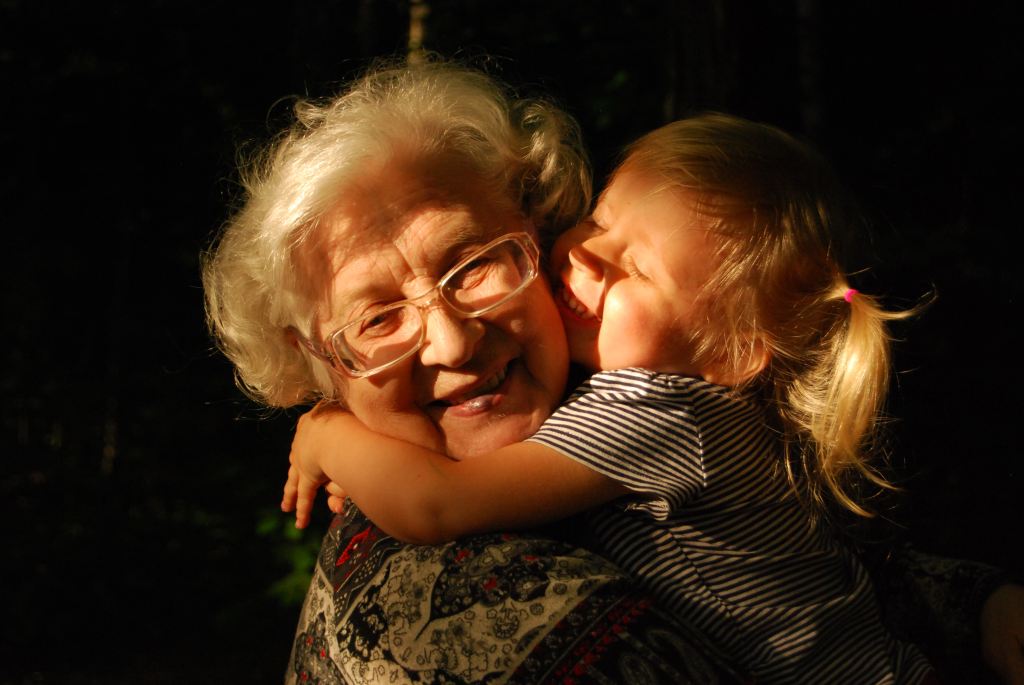
I was surprised when her son told me that his mother had woken up and was talking to her family again. This was in time for the visit by her grandchildren. She enjoyed seeing them, hugging them and talking to them during a nice afternoon. By the evening she was exhausted and drifted off into another restless sleep. She never woke up again.
My science couldn’t explain how this dying lady had gathered what remained of her limited energy in order to be there for her visiting grandchildren. The last hurrah or the final rally is something I have witnessed too many times in palliative care settings. It really is a thing. A person can wake up from a coma to provide a final gift to their loved ones. Yet another mystery we often encounter at the end of life.





 palliverse.com