Palace of Care – Days?!

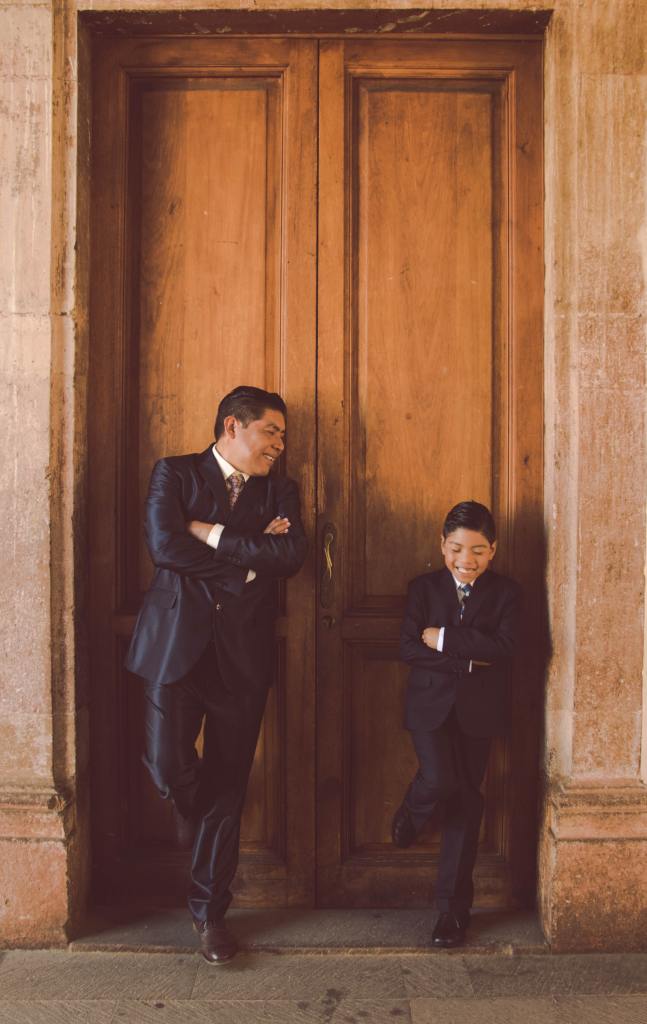
Photo by Slashio Photography on Unsplash

How much time has she got left doctor?

She likely only has days left to live.

Days?!

Yes, probably just days.

Really?

Yes, it could actually be much shorter if she deteriorates faster.

Thanks. We have things we need to prepare.

No matter how long she has got left we will do our best to keep her comfortable.

Thank you.

She’s been an important part of you and your children’s lives.

Yes. It’s hard, it’s the first time we’ve been through something like this.

We’re going to get your mother through this, we’re going to get you all through this. If you have any worries or concerns please share them with us. Our job is to take as much stress out of this situation as possible. Please let us know if there is anything we can help you with.

Thank you. We brought you some cakes.

You brought three cakes, that’s very generous of you.

Yes, one for each of the nursing shifts.

That’s nice of you to think of each of the shifts.

The staff have looked after us all well. Thank you.

That’s what we are here for. We’ll see you later, try and get some rest when you can. Thanks again for the cakes.

You’re welcome, see you later.

Palace of Care – Low Affinity

Photo by David Clode on Unsplash

Anything you eat or drink might come back up again.

No, it has been coming back up already. What’s going on?

You’ve got a blockage in your bowel. It acts like a roadblock. If it can’t get through the roadblock things go back up. We can try to loosen up the roadblock with bigger doses of the steroid medication that was started at the weekend. It may or may not work but there may be side effects.

Like?

You might see the psychedelic lights that you saw the other day. That was scary for you. The steroids will worsen your immune system, making it harder for you to recover from the pneumonia which has come back.

Why is this all happening? I don’t feel well, no energy at all. Is the cancer progressing?

Yes, the cancer is getting worse and causing new problems. A bowel blockage and pneumonia at the same time is a serious and dangerous situation. I’m not sure if you’ll recover. We can try increasing your medications to see if they will help. Would you like that?

Yes. Do I need to get another scan?

No, we know what is going on already. A scan might confirm that but it wouldn’t change our management. We’d only do tests if the results would change what we do, otherwise, it wouldn’t be a good use of your time.

So all I can do is sit here and wait?

You can do whatever you feel up to doing, but I don’t want you putting up with pain.

I don’t have any pain.

Or discomfort.

I don’t have any discomfort.

Apart from your back and tummy. You also feel exhausted.

Well, yes but it’s not too bad.

Okay, we’ll work on making you more comfortable, we’re going to adjust your medications now.

The nurse said she’d take me out to the garden.

That’s a good idea, it would be good for you to get some fresh air and sunshine.

Palace of Care – Checking In

Photo by Nick Fewings on Unsplash

How’s your pain today?

It’s not bothering me. It’s my tummy that is uncomfortable. I feel like I need to poo but it won’t come out.

Okay, it’s good that your pain is better controlled. We’ll have to work on your poos today. What else is troubling you?

I’m just so tired. Don’t have energy to do anything. I can’t even get out of bed.

Yeah, they told me you hadn’t been out of bed for a while.

That’s all I want to do, to get better so I can get out of bed and walk around a bit.

Okay, we’ll keep on trying to make you more comfortable.

Should I go for the radiation treatment?

How did it go the last time you had it? Did it help your pain?

Yes it did. Do you think it will help me this time?

Maybe it would, if you’re feeling up to it you might as well get it. It might help your pain more.

Okay, thanks Doc.

You’re welcome. Do you have any questions?

When can I go home?

If you keep on improving like you have, maybe after your radiation treatments. Give you something to aim for.

Okay. You’ll remember to help me with my constipation right?

Sure will.

Palace of Care – The Last Dance

Photo by Jusdevoyage on Unsplash

Thank you for taking him home, that would’ve made him really happy.

As soon as he got home he wanted to go back to hospice. He really likes it here. When he was last here he was dancing with the nurses and singing as well.

How did it go at home?

It was hard. He didn’t know what he wanted. Things kept on changing quickly. We couldn’t cope with him at home. He was very confused at times and demanding and angry.

Unfortunately, the people you are closest to can be treated the most harshly when people are very unwell.

Is he in a coma?

Yes.

But he’s still able to move at times, and he opens his eyes but doesn’t really interact.

Yes, that can happen. He is deeply unconscious but may still be able to move. At other times he might be more wakeful, with lots of ups and downs. This is normal for dying people. He might have only days left to live, but it could be much shorter. No matter how much time is left we will try to make it as comfortable as possible.

Thank you.

Palace of Care – No False Hope

Photo by Trym Nilsen on Unsplash

I couldn’t provide them with what they wanted. It felt like every time I went in there I had more bad news to share. They wanted me to say something different. They wanted me to suggest other treatments and other tests. I had nothing new to offer. All the stones had already been turned over. They were willing to take even false hope, but I was an unwilling vendor. I didn’t want to burst their bubble, but I felt like I needed to.

They had tried everything humanly possible to stay alive. They had pushed for tests and treatments and they had managed to keep going for years longer than most people. The more lines of cancer treatments you go through the lower the likelihood of success. They were up to the final line of treatment. Treatment could not be provided without significant side effects occurring. A difficult balancing act. A costly negotiation to take part in. A trade-off had to occur.

If it was all about effort expended they would have lived for many more years. They had tried harder than most people could have. After years of triumph, they were finally faced with their ultimate defeat. They wanted to stay active, to continue doing something. They didn’t want to just wait for death. There was nothing else to be done. The best treatments we had might’ve improved comfort and quality of life, but could not affect the quantity of life. The limit of Western Medicine had been reached.

I think therefore I am? – Loss of Signal

Photo by Sincerely Media on Unsplash

He was worried that people couldn’t understand what he needed. His English was limited. Most of our staff’s Chinese was much more limited. Not an uncommon situation. We had previously prepared picture cards for other patients. Simple pictures with words in various languages for symptoms such as pain, breathlessness and nausea. A simple low-tech form of communication. Apps such as Google Translate can help when you are desperate but they are limited. What is required is Google Interpret. Not just the words but interpretation within a cultural context as well. The AIs are not quite there yet, soon come.

In the meantime, we try our best with second languages. A lot of people from China can speak Mandarin which is the government proscribed National Language. Mandarin is often their second language, with the language that their parents used with them at home being their first language.

Mandarin was my first language as a child but once I went to school it was shunted off to the side and English dominated. Many years later I find myself often having to use my now second language, Mandarin, in clinical interactions. Mandarin often is the second language of the person I’m dealing with. We both end up speaking our common second language. It’s not perfect, it’s not 100% fluent for either of us. It does make a difference and is much better than not being able to communicate at all.

The basic human connection. I hear and understand you. You hear and understand me. I can acknowledge your fears and needs. I want to do something about them. We will help you out. We are all here to help you, and to support your family. We’ll get you through this.

Palace of Care – Relentless Pursuit

Photo by John Thomas on Unsplash

It’s one thing after another, after another. I’m not usually like this but over the last months I’ve been worn down. It’s too much to handle. I’m not sure I can go on any longer. I feel so terrible. I don’t think I can take much more. You know what I think is happening? I think I’m dying. I think I’m dying.

You might be right, but you’re not dead yet. You’ve had a lot happen to you in hospital. The operations, the blood clots, the infection. Nature’s been trying to take you out.

I just want to go home. I love my home. I built it myself, with my own two hands. Your place is better than the hospital, but it’s nothing compared to my own home.

Sure. We’ll try our best to get you home as soon as possible. I don’t think you’re ready yet. You only arrived a few hours ago. We need to get to work calming down your pain and nausea. I want you more comfortable before we can get you home. The last thing I want is for you to bounce back and forward between home and here. I would like to prepare you for one good discharge.

Okay, that sounds good. I just had to get out of that hospital. I couldn’t stand it any more. I wanted out so badly. It’s just too much to take. Sobs loudly

We’re going to get you through this, and your family too. We’re going to keep a close eye on you and will treat your symptoms aggressively as we know you want to get back home as soon as possible. Do you have any questions?

Palace of Care – Easter Face/Off

Photo by Jerry Yu on Unsplash

Easter was about to arrive. At the last minute, I asked my wife and daughter if they had bunny ears I could borrow. They replied yes but they were unable to or me. Just like an Easter Egg a cunning plan was being hatched. Leftover Christmas decorations were examined and a pair of antlers were found. With the addition of cardboard, staples, and a hair tie, bunny ears had been produced out of thin air.

I wore the bunny headband for my whole workday. Anything for a laugh. The patients and their family members bore witness to my madness.

Later in the day, I met the son of one of our patients. He didn’t have clown makeup on and was of a serious demeanour. Facial tattoos adorned both cheeks. A proud member of one of New Zealand’s infamous gangs. We were both in the room because of the patient. Both of us trying to do the best for him. I tried my best not to stare at his facial tattoos. He tried his best not to stare at my bunny ears.

“Happy Easter,” were the first words I said to everyone in the room. Reading the logo tattooed on the son’s cheek I found out he was a member of team blue. I’d had a number of dealings with various members of this gang in the past. He stayed outside of the room but popped his head through the open window. I spoke to his father to see how I could help. Pain, nausea and hiccups were the main issues troubling my patient. He knew he was critically unwell and agreed with my plan to calm down his symptoms. His wife couldn’t keep a straight face as she tried not to laugh at my bunny ears. On that lighter note, I left the room.

A few minutes later our charge nurse had to go back in to talk to the patient’s son. He was smoking cigarettes on the balcony outside of our patient’s room. She asked him politely to stop smoking as it was a health and safety risk as our balcony is wooden and at risk of fire. He put out his cigarette without any comments or fuss. We have rules we have to comply with otherwise we’d be shut down.

We look after all sorts of people from all sorts of backgrounds, and all sorts of families. Even hardened criminals can be vulnerable when their loved ones are dying. They need to be treated with compassion and professional courtesy regardless of our own personal opinions. They want our best professional opinions when they meet us at work.

Palace of Care – Level of Detail

Photo by National Cancer Institute on Unsplash

When it comes to being told stuff do you want to know the full details?

Nod.

My colleague said that you want us to be straight up with you, is that right?

Nod.

What did the doctors at the hospital tell you?

They said it was pretty bad.

Yeah. What happens with Leukaemia is that one type of abnormal blood cell takes over the bone marrow. The bone marrow is your body’s factory, it makes all the blood cells. The red blood cells carry oxygen around. The white blood cells fight infection and the platelets stop bleeding. The leukaemia is stopping all of these blood cells from being made. This is really dangerous as your immune system can’t work any more, and any infection is dangerous. You are at risk of bleeding. The leukaemia cells cram up your blood vessels and they can block them off which would cause painful areas to appear.

Nods slowly.

Did they give you a timeframe?

Shrug.

Would you like me to talk about your time frame?

Nod.

I’m not sure how much time you have left. It could possibly be only days to short weeks. Things could worsen quickly and then you might only have hours to days left.

Oh.

We want you to know that we are prepared for what usually might occur in your kind of situation. If you need emergency treatments we want them to be available at any time.

Nod.

I’m sorry to have to give you bad news. If you still have important things you need to sort out, it’s better to do it now while you are still clear in the head. Better early than too late.

Points to his computer. That’s what I’m doing.

Good. What’s the most important thing to you right now?

Points to his partner. She wraps her arms around his head and cries into his hair. He clutches her arm tightly and cries into her forearm. They hold each other tight and sob loudly.

Let it all out. It needs to come out. You are safe here. We are all here to help you. We will get you through this, both of you.

Palace of Care – Fathers and Sons 3

Photo by Vanessa on Unsplash

Generations of his family came together to join the bedside vigil. Grandchildren who were out of town came home to see the beloved ol’ fella. His cheeky smile was still there to greet them all but with each day his energy levels decreased. He needed to sleep more. His appetite dropped off steadily.

They knew time was short. At the start of the admission, over a week ago, they had been told there might only be days left. Dad kept on proving them wrong. He would still rouse to their voices but had become too weak to talk.

The son came in every day and saw his father melting away. Intellectually he was prepared for the loss of a parent. The scenario had played out in his mind ever since the diagnosis was confirmed. The emotional organs always took much longer to catch up with the thoughts.

How much longer could he go on? He had always been strong, but nobody expected him to still be alive. The hospice staff were just as surprised.

“I’m not sure how long he’s got left. If it was anyone else they probably would’ve died last week. I’m not even going to try to guess. He is getting closer, his breathing is changing, and he has become more agitated. It could be hours to days, but that’s what I told you two days ago. He’s going to do things at his own pace, in his own way, just like he always has.”

The son was on the other side of town when the call came through. He raced back in his powerful car as fast as he could, but he was too late. A lifetime of memories washed over him as tears tracked down his cheeks. He had to put his grief on hold as his assigned role in the family took precedence. Someone had to find a funeral director, organize the memorial service and look after everyone else. Again. He took a deep breath in, sighed, and started making phone calls.