
Here is a collection of posters from the recent Asia Pacific Hospice Conference in Taipei – primarily by researchers and clinicians from Australia and New Zealand. Enjoy!
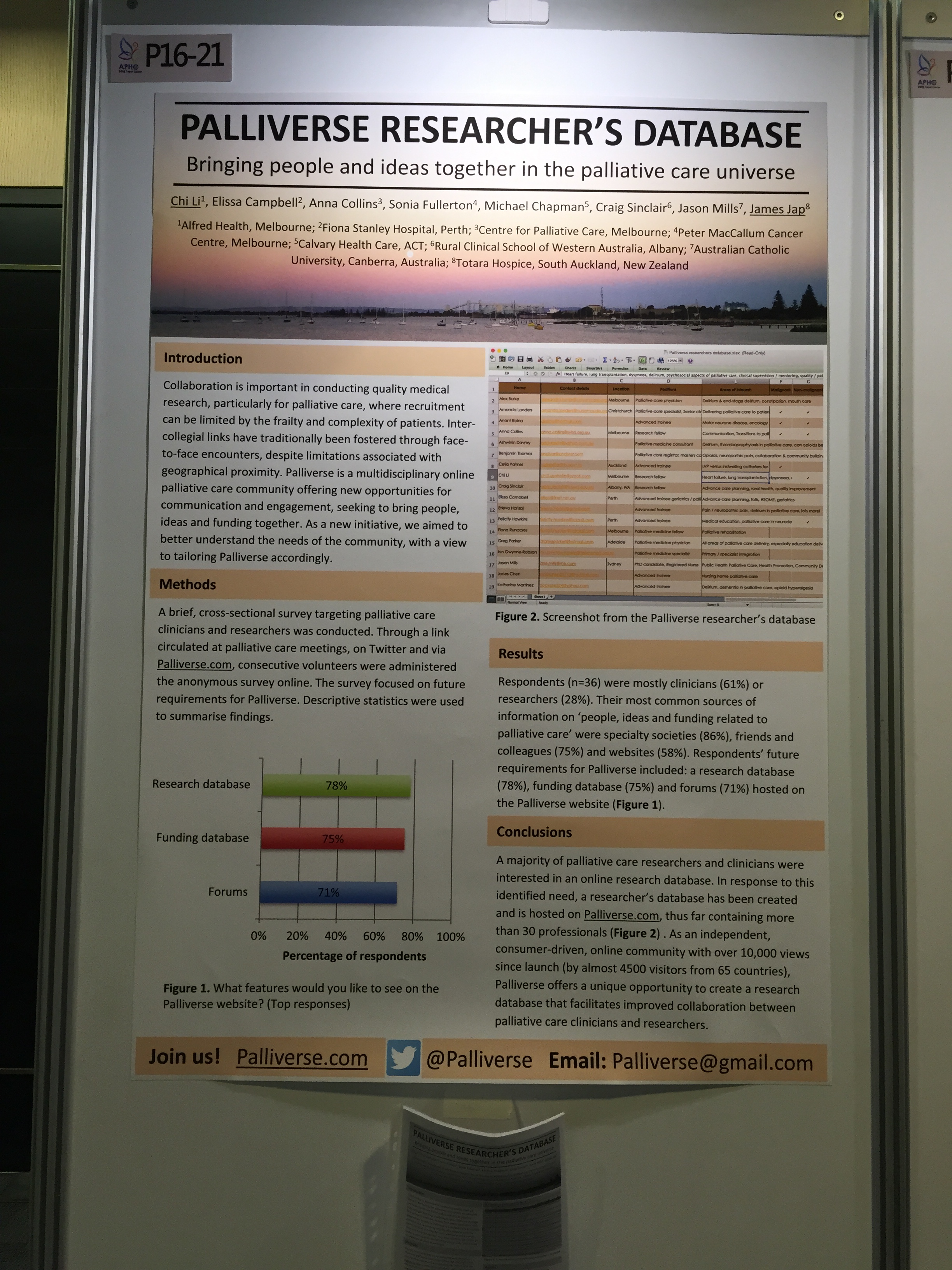
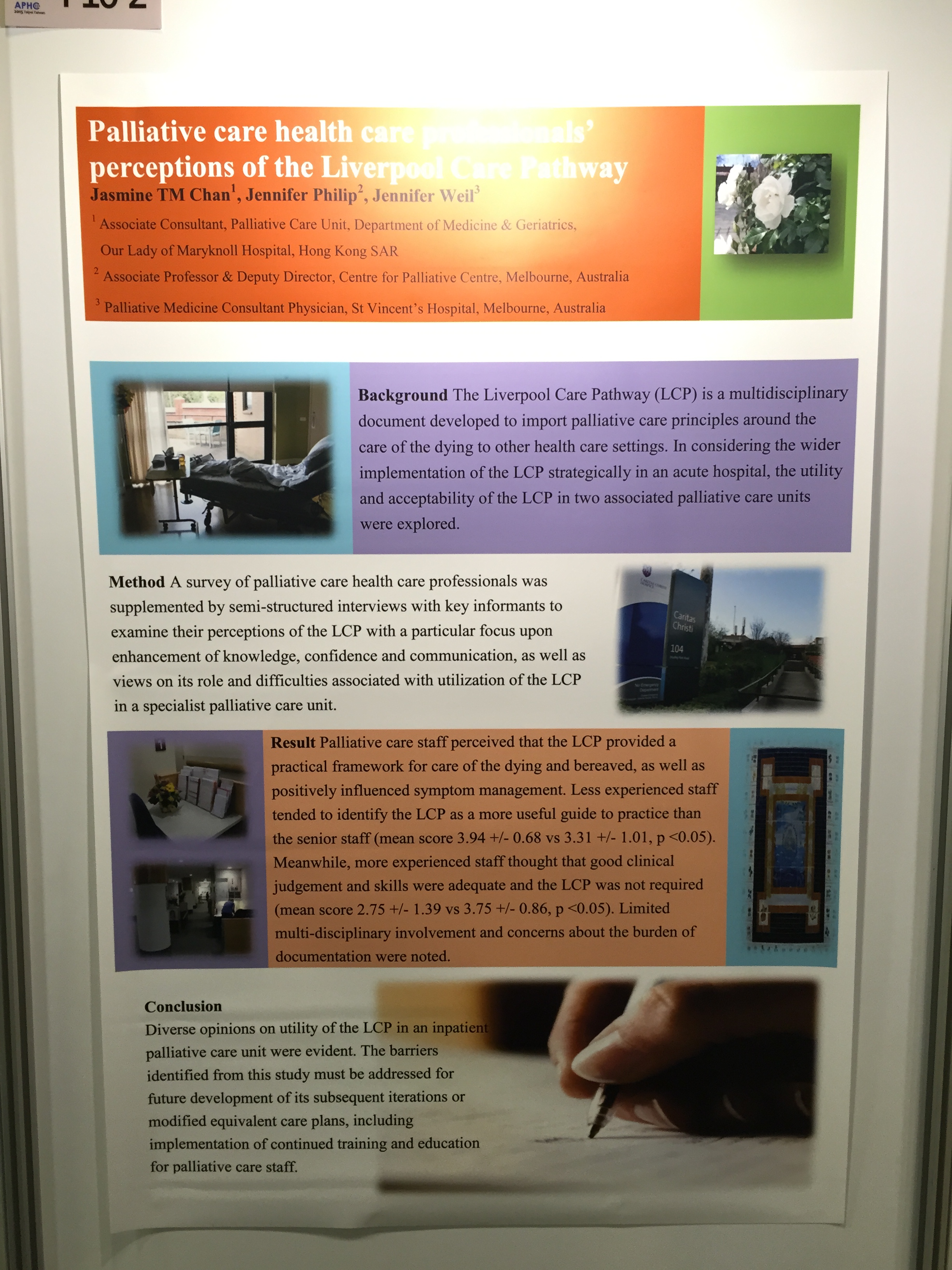
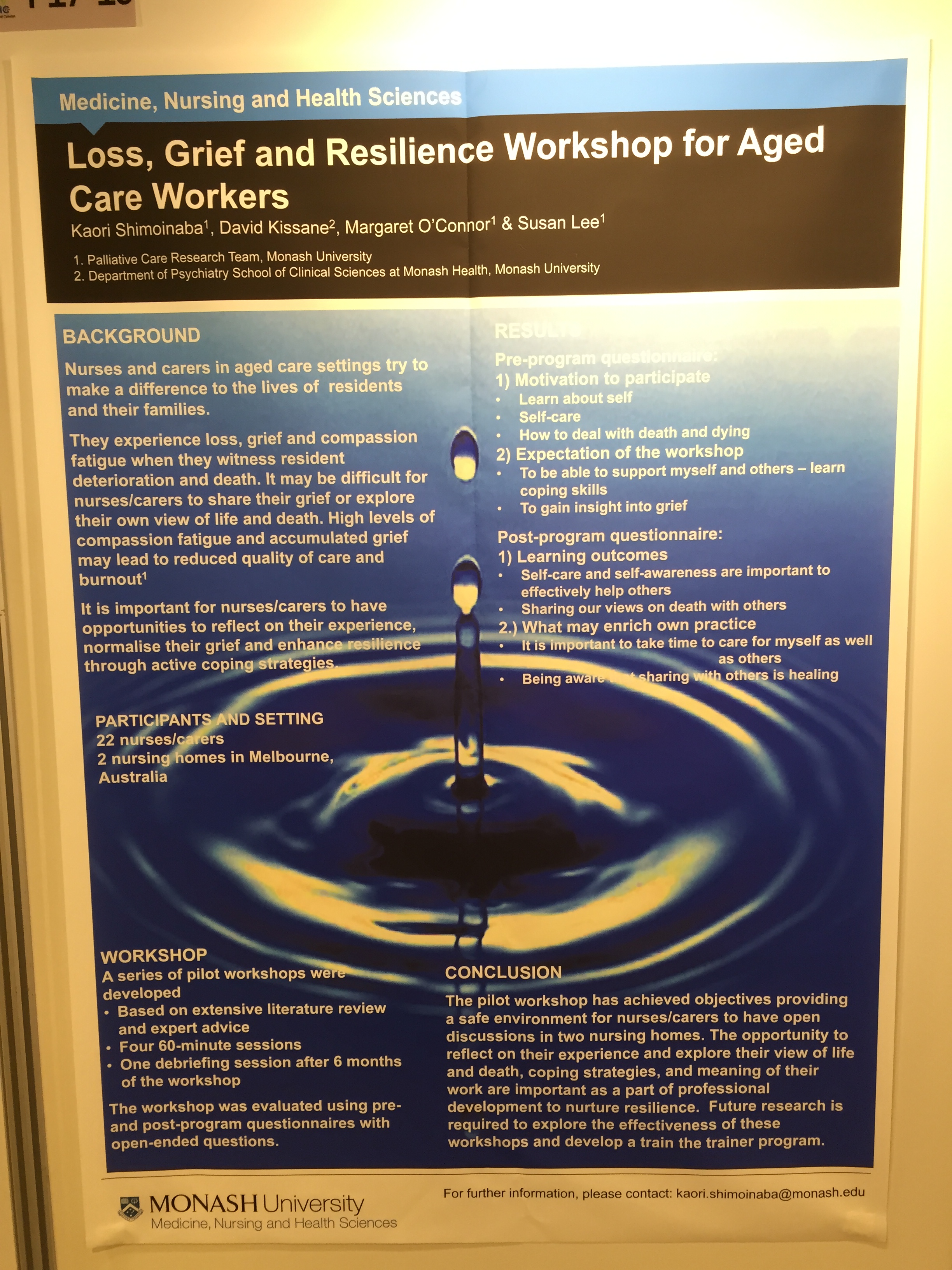
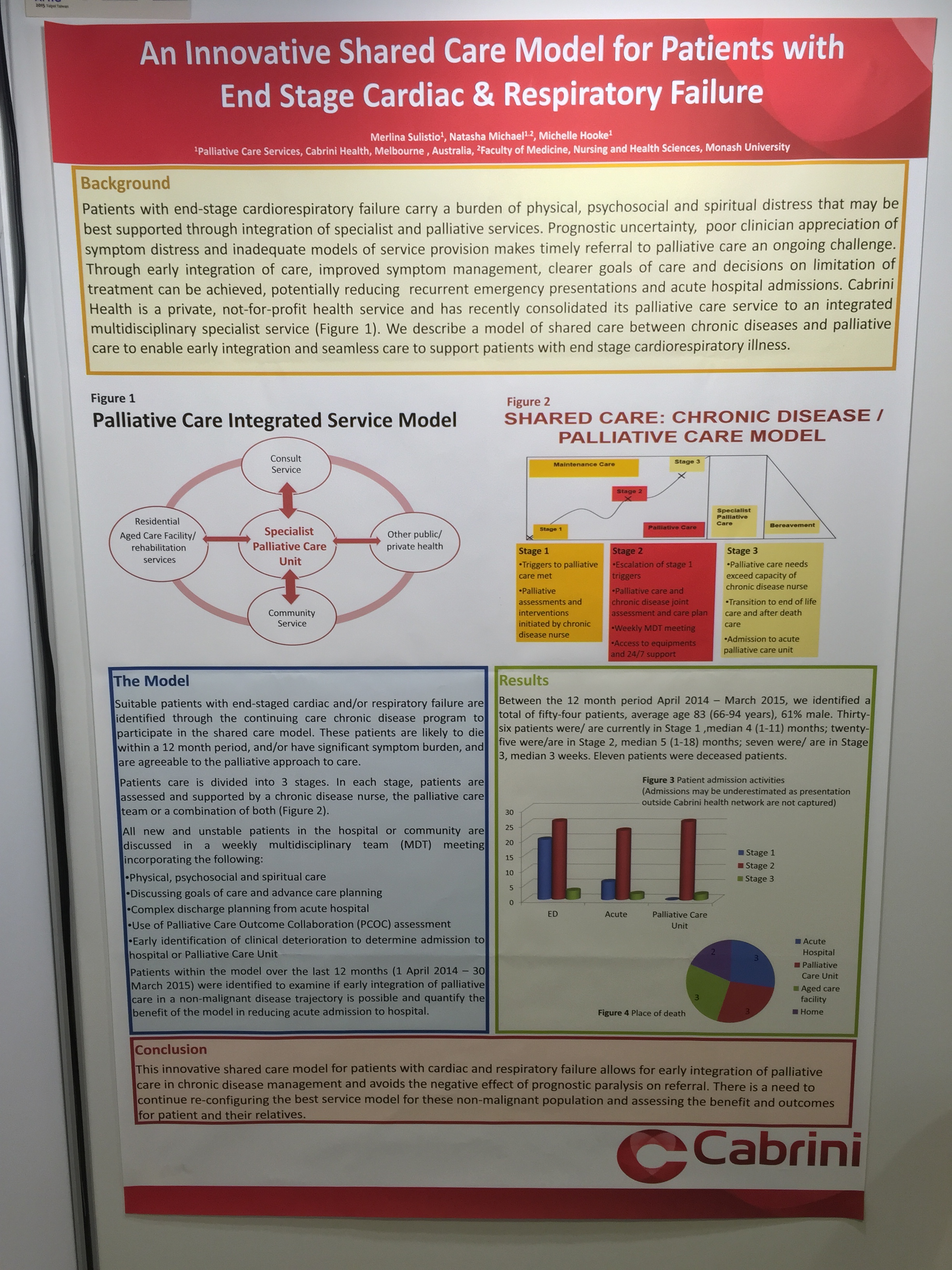


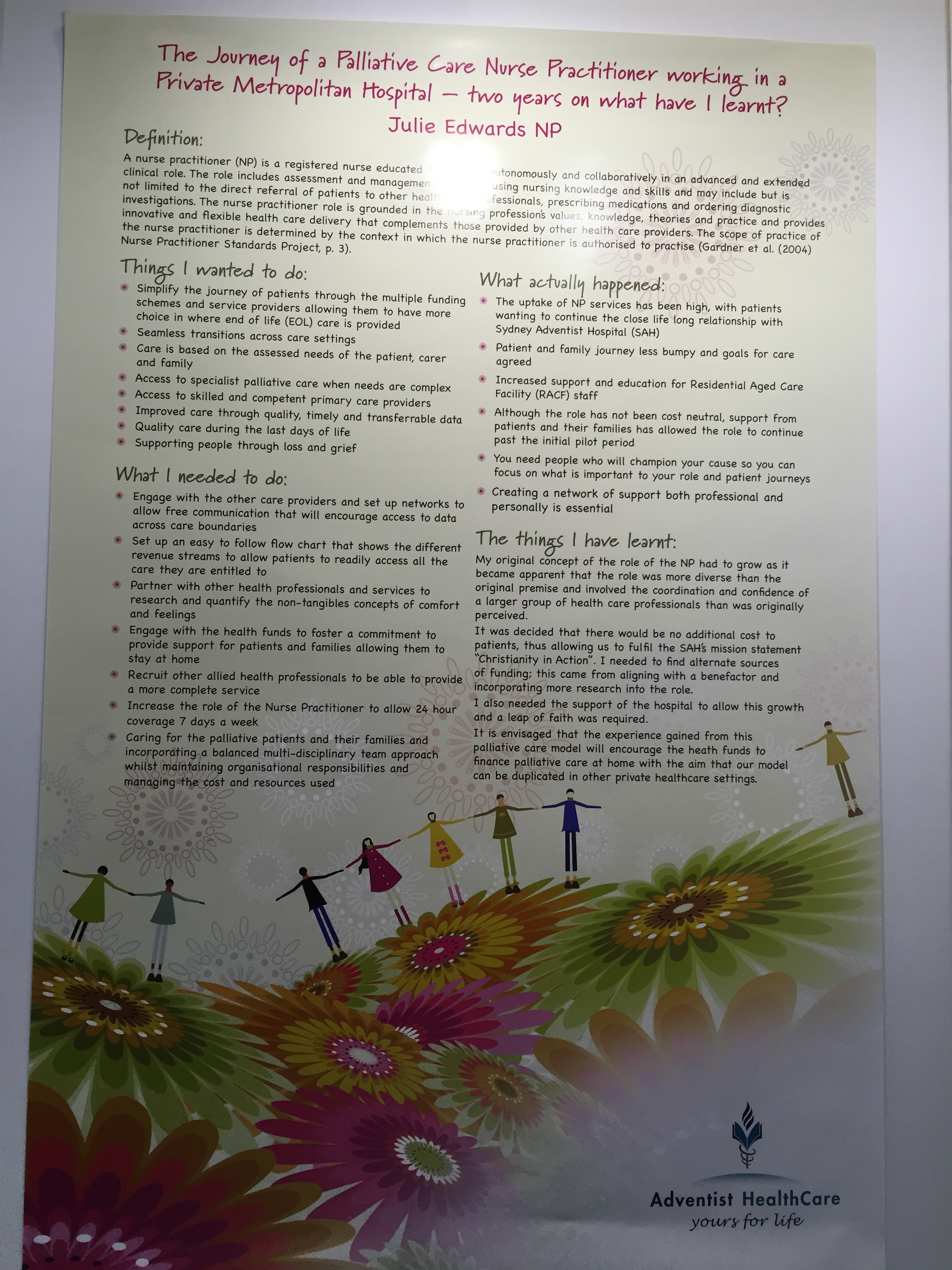
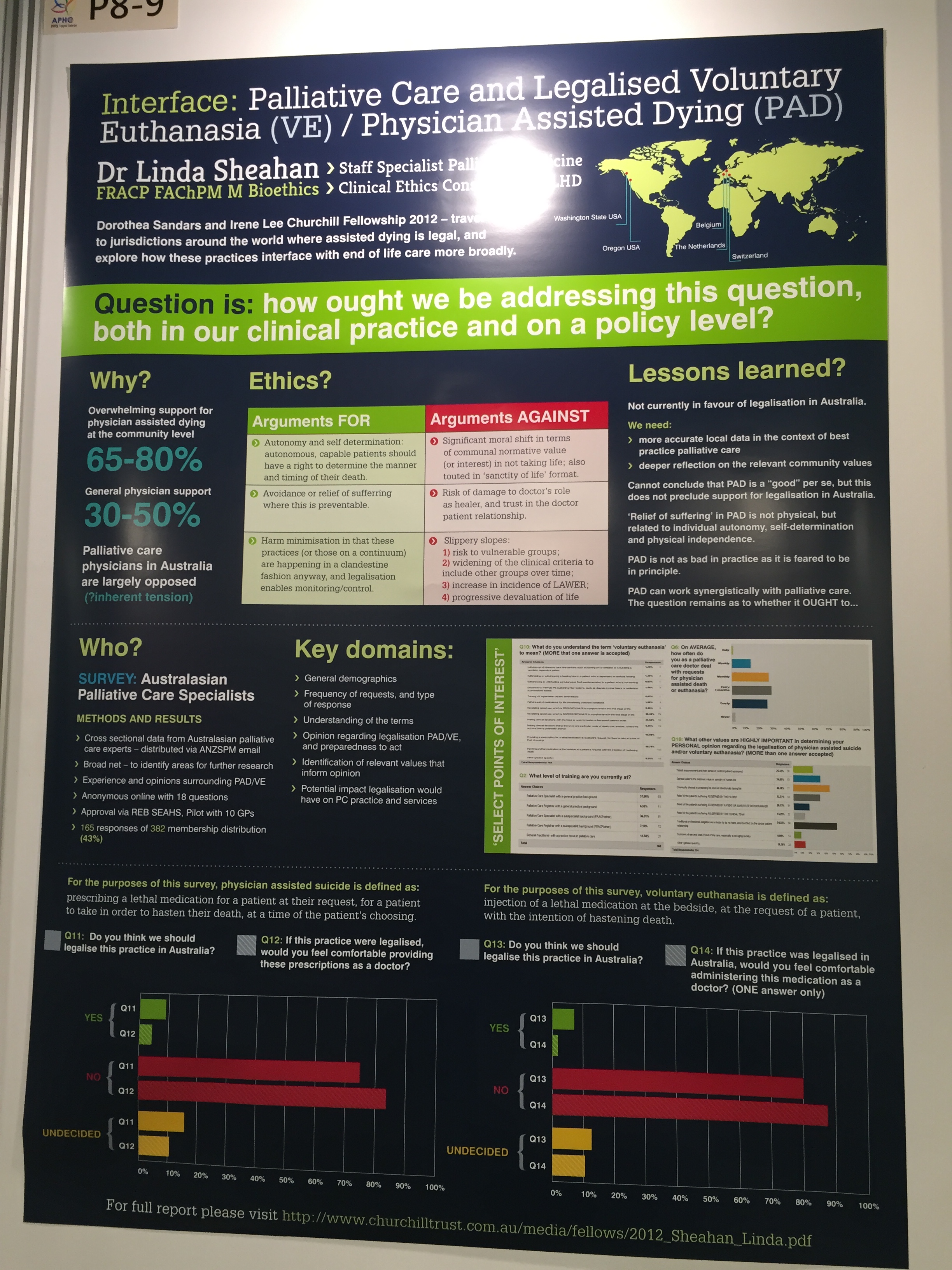

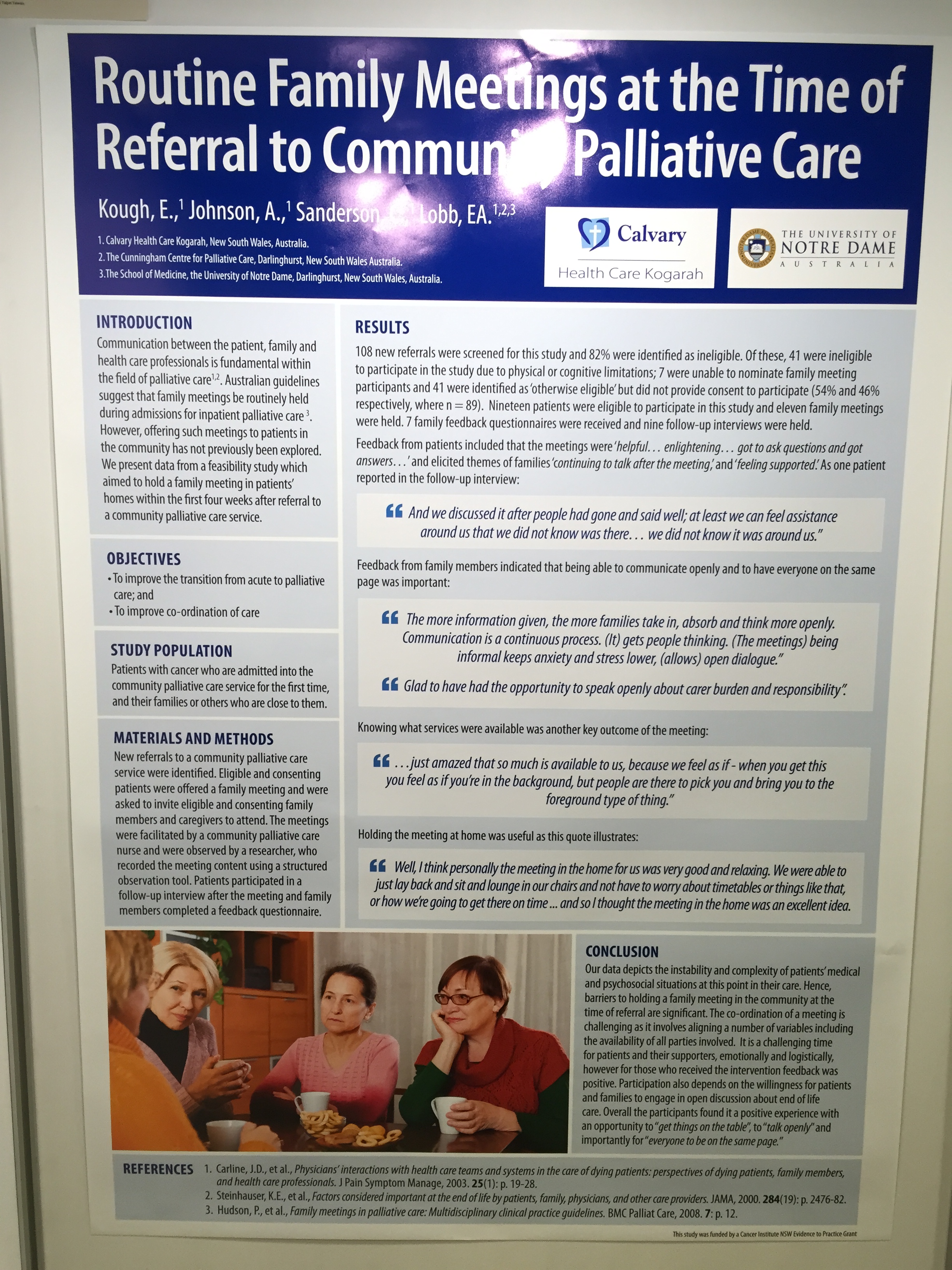
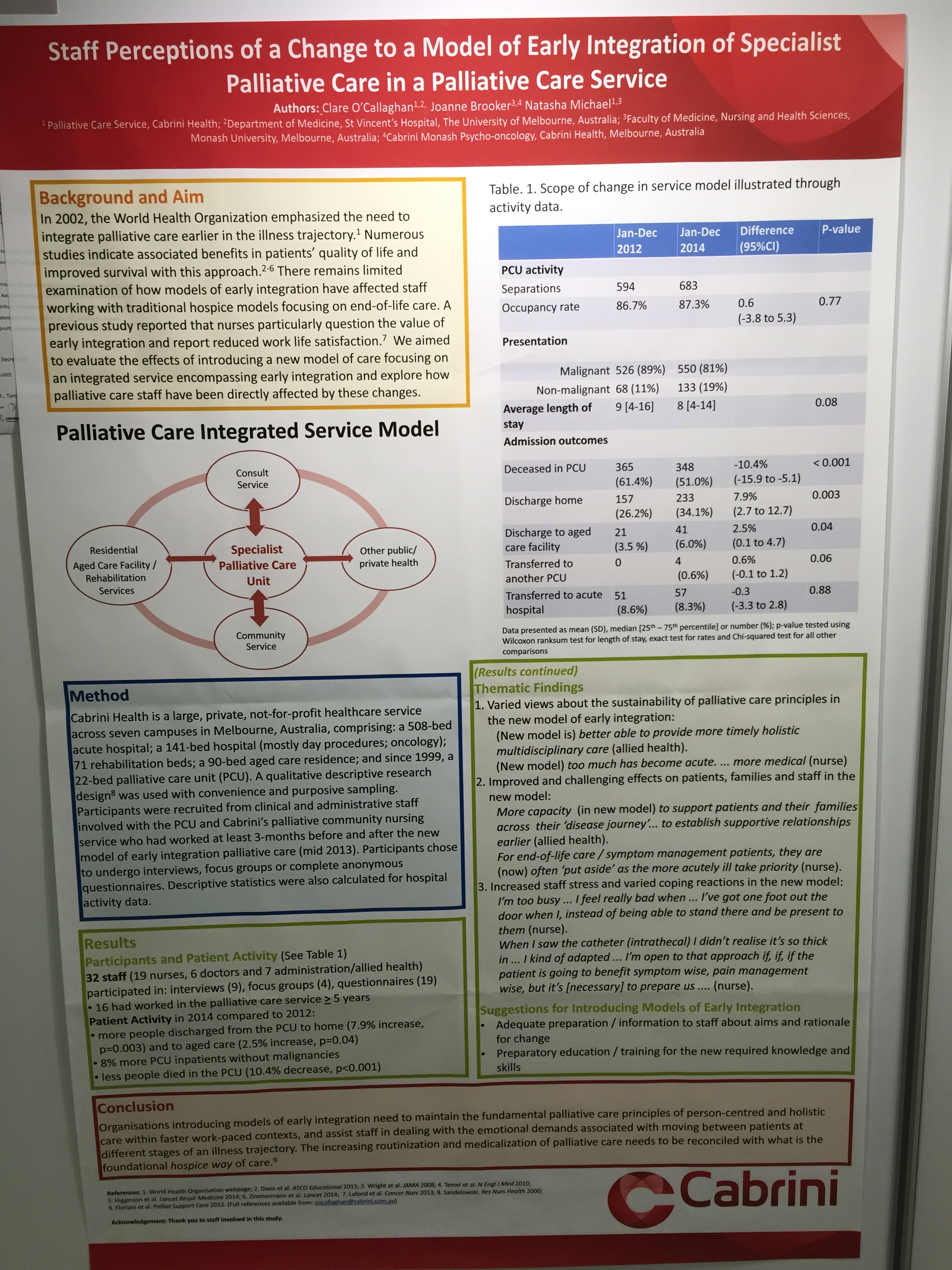
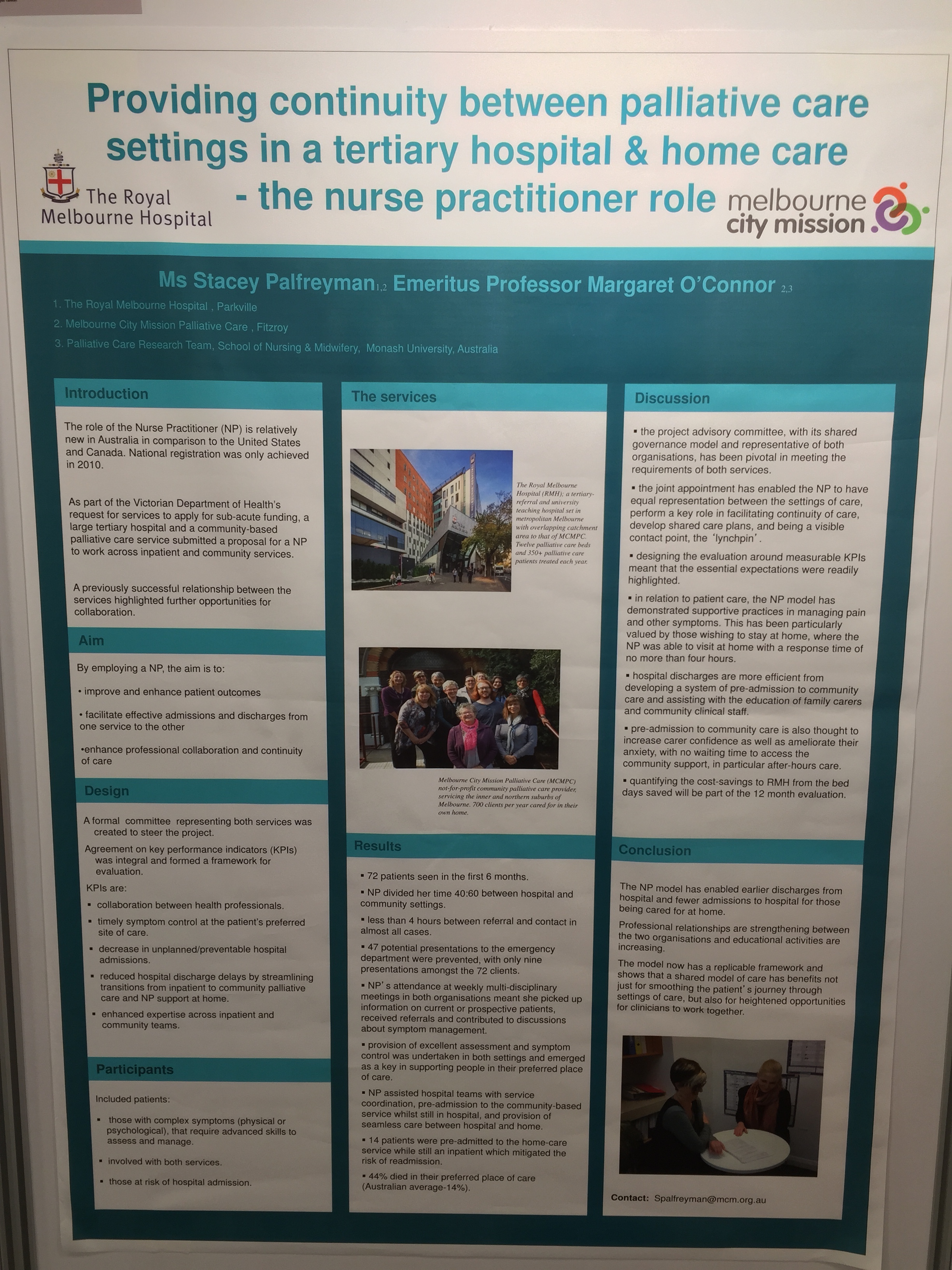
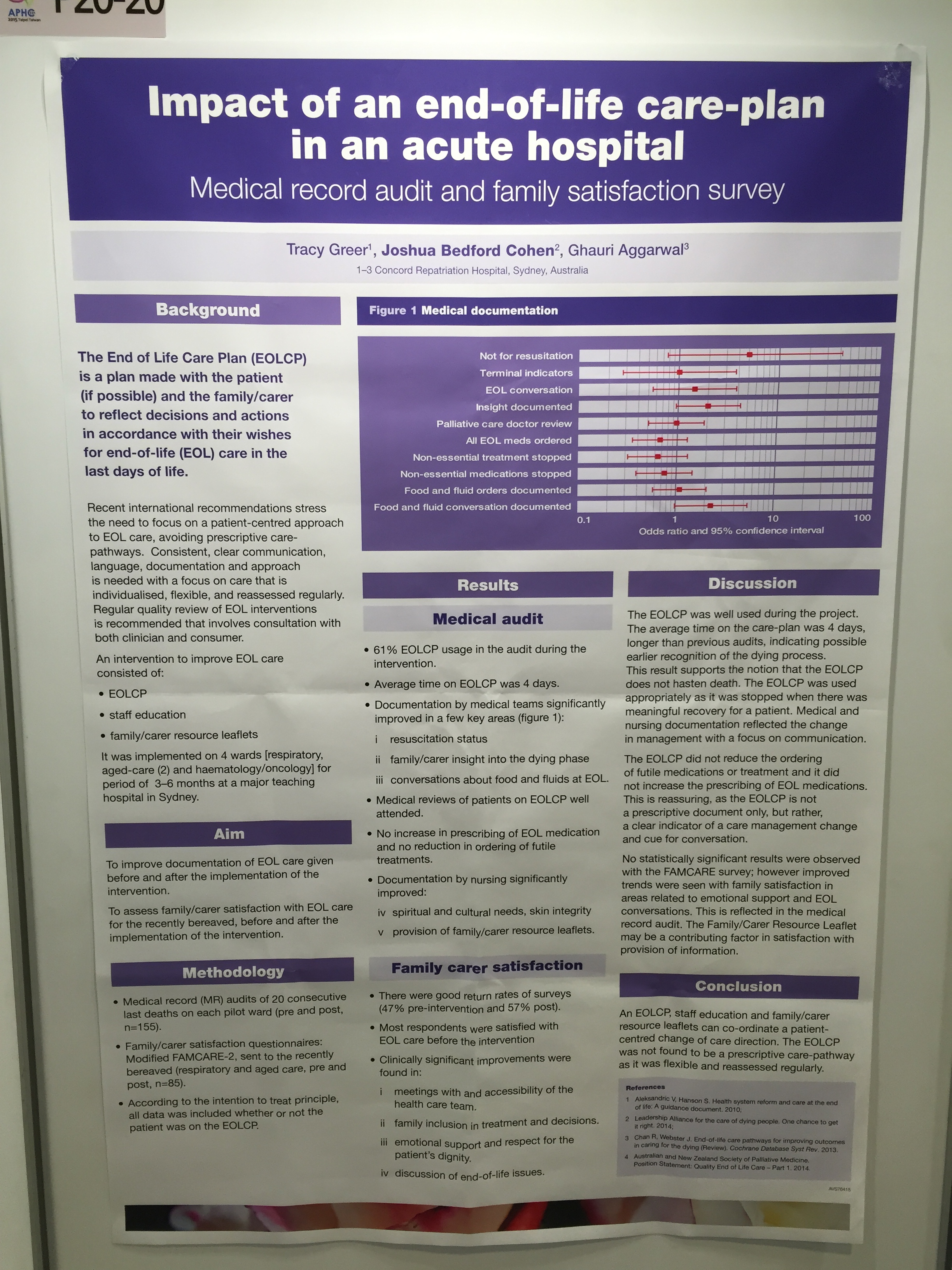



Here is a collection of posters from the recent Asia Pacific Hospice Conference in Taipei – primarily by researchers and clinicians from Australia and New Zealand. Enjoy!
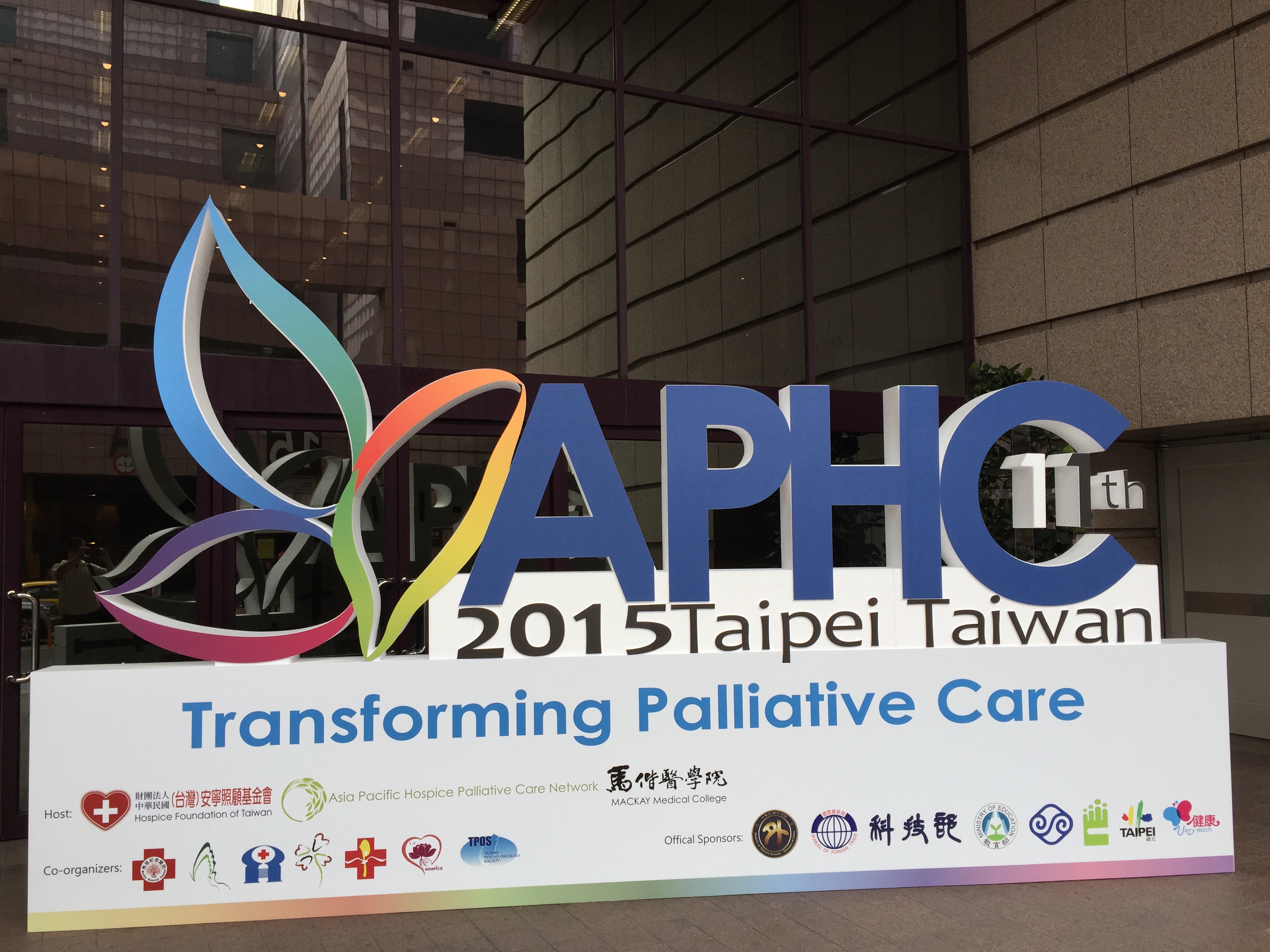
Over 1300 delegates from the Asia-Pacific region and beyond congregated in the Taipei International Conference Centre at the beginning of May for the 11th Asia Pacific Hospice Conference (APHC). With a theme of “Transforming Palliative Care”, there was a particular focus on public health and the development of palliative care in countries where it is not yet well established. It was wonderful to meet clinicians, policymakers, teachers and researchers from near and far – from China to the Philippines, Mongolia to Saudi Arabia, Argentina and the United Kingdom – and discuss shared problems and discover new ways of doing things!
The recent senate inquiry into “Availability of new innovative and specialist cancer drugs in Australia” brought timely attention to our Australia’s approach to access and funding of cancer medications. Perhaps unsurprisingly the matter of access to medications for palliative care was not seen as the chief focus of this review, but on closer attention perhaps it received more discussion than was realised.

By Photo taken byAney CC-BY-SA-3.0 via Wikimedia Commons

(Jacaranda tree in the Royal Botanic Gardens, Sydney)
A comprehensive review of Medicare was announced this week, which has the potential to significantly impact how healthcare is delivered in Australia. Opinions abound (a small sample here, here, here, and here) but details are scarce. This announcement is timely, with the release of Australian Medical Association’s annual report card on public hospital services last week (reactions here and here) and the upcoming launch of Choosing Wisely Australia on April 29th (more on this here, here and here).
Also this week, Queensland and Victoria joined New South Wales in conducting clinical trials on the use medicinal cannabis (other reports here, here and here). Information about the trial and law reform process can be found here, here and here. Palliative Care Australia has also provided a submission.
Other reads:
Finally, it’s ANZAC Day: Lest we forget.

(Image via wikipedia)
Are you a “new fellow”? Have you recently qualified (or about to qualify) as a palliative medicine specialist (FAChPM +/- FRACP)?
Transitioning from advanced training to consultant-hood can be a challenging time in one’s career. Help us understand how best to support you by completing this brief and anonymous survey: https://www.surveymonkey.com/s/NZ97VVL
Thank you!

Team Palliverse is excited to be presenting at the upcoming Palliative Care Research Network Victoria (PCRNV) Forum on March 24th at 5pm AEDT (2pm AWST; 7pm NZDT). We will be talking about the use of social media in palliative care research and clinical practice. Join us in person, via webinar or on twitter!

Like @Elissa_Campbell, five weeks ago, rather than starting a new clinical rotation at the beginning of the medical year, I too embarked on a research fellowship. For the next twelve months, instead of trying to fit in training requirements and research projects around clinical duties, I have the luxury of being able to devote pretty much all of my time to thinking and learning about research, reading studies properly instead of quickly scanning through papers, and talking to other researchers and clinicians – who are almost always encouraging, interested and incredibly generous with their time and advice.
Here is the long awaited second part of Dr Chris Sanderson’s thoughts about #lettertome, where doctors write letters to PATIENTS instead of other doctors……
The idea of #lettertome goes further than sharing a copy of the standard doctors’ letter with the patient. Instead of writing about patients, maybe we could be writing to them. When we reconceptualise what we do in terms of patient-centered care, a letter can have very valuable functions:
Dear readers,
We are honoured to bring you a guest post, in fact two, and indeed we hope more, from the fabulous Dr Chris Sanderson, palliative care physician. I have to say that I was so inspired by this idea, by putting patients at the centre of our communication, where they should be, that I totally stole this idea for my own Change Day pledge.
Below is part one of her description of her pledge for Change Day, #lettertome.
#lettertome : A twitter campaign to improve how we share information with patients.
Social media is such a wonderful space for spreading ideas – and sometimes the simplest ideas may convey a world of significance. Recently on twitter, there was a conversation between various doctors and patient advocates about how we speak to and about our patients, and the subject of doctors’ letters was raised. Thus was born a new hashtag, a pledge for Change Day Australia, and potentially a new way of doing things.

Hospice New Zealand is once again presenting a lecture series on palliative care this year. The lectures are held on the first Thursday of every month at 7:30am NZDT/NZST and are available by teleconference at various sites across New Zealand. The first lecture on nausea and vomiting was delivered last week by Dr Michael Downing.
You can also listen to lectures from the previous series by simply registering here. Awesome!
 palliverse.com
