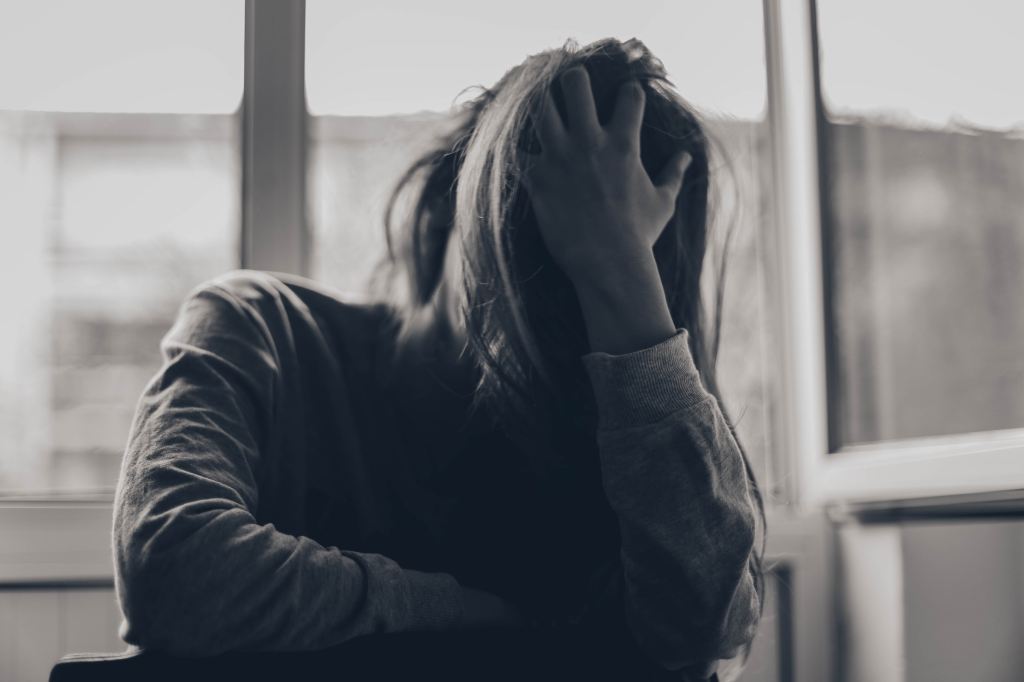
Palace of Care – Time Is Short

Photo by Emanuel Ekström on Unsplash

I don’t think she has much time left.

I think you’re right. She has deteriorated a lot, even overnight.

She tried to talk to us around 4 am, she recognised us but went back to sleep. I think she can still hear us.

I think so too. She will be comforted by hearing your voices. To know that you are looking after each other. Otherwise, she will worry.

That’s my sister, always worried about everyone else. She was starting to get confused in the last two days.

That can happen when you are really unwell, we see it all the time. We’re going to make some changes to her medications to calm everything down. I want to keep her calm and peaceful like she is now.

Good, that’s all we want.

We’re going to get her through this. We’re going to get you both through this as well.

Thank you.

That’s why we wanted to give her some more time here. She’s in the right place, we are going to look after her. You two need to be the family members now, let us do the caregiving.

Okay.

Please get some rest when you can and let us know if you need anything.

Palace of Care – And Then There Were Two

Photo by Jessica Gale on Unsplash

He didn’t want his wife to be admitted to hospice. She had been ready but he was scared. We had offered admission a few days prior but he had said no. They agreed to come and have a look at our inpatient unit.

On arrival, they realised there was nothing to be scared of and agreed to stay for a symptom control admission. The pain had been worsening and the wife had been reluctant to take any medication as she was worried it might worsen her liver impairment. They liked the safe room we had to offer, and were happy to stay.

Over the next month, our patient only left her room to have investigations or procedures done. We encouraged her to spend at home and we would hold her bed but to no avail. She didn’t think they would cope at home. The thought of leaving our place freaked them out.

Everyone was saddened by her death, none more so than her husband. After we farewelled her, he thanked us and said that if he was dying he would want to die at our place as we had looked after his wife so well.

Palace of Care – Being Wrong

Photo by 愚木混株 cdd20 on Unsplash

As doctors, we are trained to make our best attempt at diagnosis and prognostication. We gather as much evidence as we can to support our theories or disprove them. We try our best to get as clear an answer as possible. We pride ourselves on getting things right. We may check things a number of times just to make extra sure as we don’t want to get things wrong if we can help it.

Working in palliative care I don’t mind getting things wrong and sometimes I wish I was wrong more often when it comes to prognostication. The clinical examination findings are considered along with recent blood results. A picture is put together and discussed with the rest of the team. I thought I knew what was going on. The patient and her husband held on to whatever hope they could. Some blood results had improved, and others had worsened. They wanted more investigations and treatments. I thought they had run out of things to have done. They hoped I was wrong. I hoped that I was wrong.

Unfortunately, I was right – The latest scan result came back and showed widespread progression of the disease.

Damn It!

Palace of Care – No False Hope

Photo by Trym Nilsen on Unsplash

I couldn’t provide them with what they wanted. It felt like every time I went in there I had more bad news to share. They wanted me to say something different. They wanted me to suggest other treatments and other tests. I had nothing new to offer. All the stones had already been turned over. They were willing to take even false hope, but I was an unwilling vendor. I didn’t want to burst their bubble, but I felt like I needed to.

They had tried everything humanly possible to stay alive. They had pushed for tests and treatments and they had managed to keep going for years longer than most people. The more lines of cancer treatments you go through the lower the likelihood of success. They were up to the final line of treatment. Treatment could not be provided without significant side effects occurring. A difficult balancing act. A costly negotiation to take part in. A trade-off had to occur.

If it was all about effort expended they would have lived for many more years. They had tried harder than most people could have. After years of triumph, they were finally faced with their ultimate defeat. They wanted to stay active, to continue doing something. They didn’t want to just wait for death. There was nothing else to be done. The best treatments we had might’ve improved comfort and quality of life, but could not affect the quantity of life. The limit of Western Medicine had been reached.

Palace of Care – Preparations

Photo by Pars Sahin on Unsplash

She said she had prepared herself for death several times over the past few years. She still wanted to try to live for as long as possible but if it was not to be she could accept it. She would try to sleep, try to eat, try to enjoy what she could of this life. Her brain knew what to say. Her emotional heart at times was speechless. She didn’t want to give in to the despair, but at times she wasn’t so strong. At times she wasn’t so sure she could accept things. There was so much she could not do. So many unfulfilled dreams. Too many disappointments.

Recently she felt exhausted, not because of the usual missed meals and poor sleeping attempts, it was much deeper than that. No matter how much sleep she had, she woke up exhausted.

Despite all of the above, she was more worried about her husband and how he would cope.