Palace of Care – True Colours

Photo by Rae Tian on Unsplash

I chose yellow as my favourite colour when I was five years old. It was the colour I used for the suns I drew. A bright colour that evoked a feeling of warmth. My kids bought me a set of yellow scrubs for Father’s Day. Really bright yellow scrubs. When I am wearing them at work most people will respond in some way.

The yellow scrubs seem to provide a lot of people with an almost religious experience. Many people after seeing them have said, “Oh my god.” They also cover their eyes with their arms and turn their faces away whilst grimacing. Other people have requested a warning before I enter rooms in order for them to prepare sunglasses or welding masks.

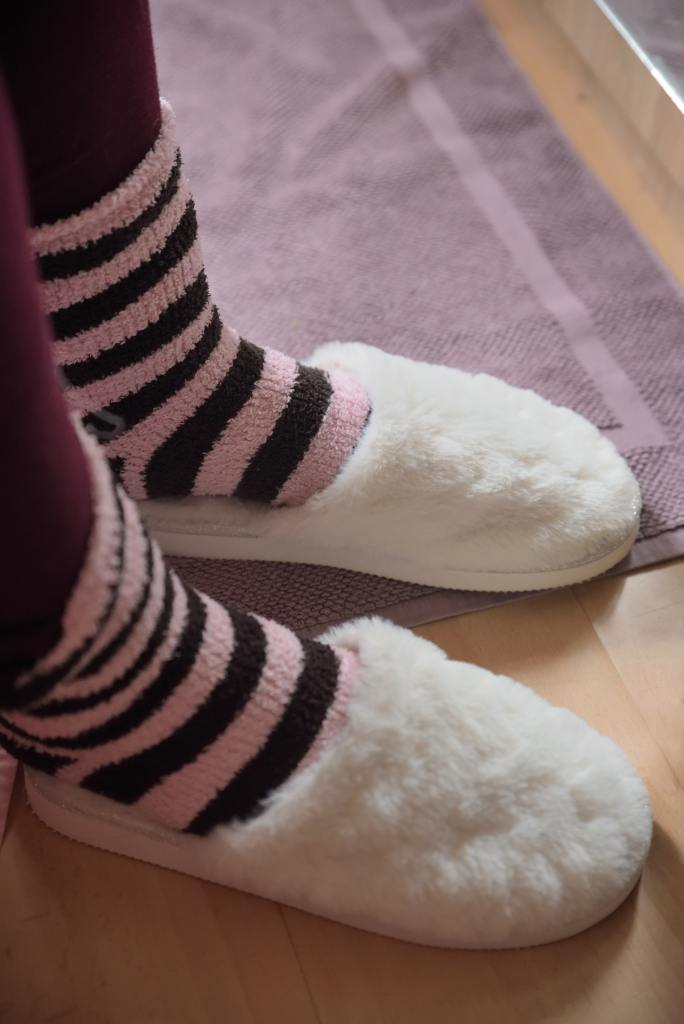
Some people who see the scrubs don’t like them at all. A small number of people have said they like them including a number of patients and their family members. For one patient it is their favourite colour. I have been particularly worried about them and I have been wearing them at least once or twice a week. I am worried my patient will die soon and I wanted to wear the yellow outfit as seeing it previously had made them smile and laugh. Especially the first time I wore the scrubs when the patient changed into a yellow outfit. We both also had colour co-ordinated socks. A colour co-ordinated coffin had already been purchased.

Yellow is the colour of many of the flowers around our hospice. The colour of the medication cards is also yellow. The patient with the severe itch from jaundice had yellow skin, and the whites of their eyes had turned yellow too.

Another patient has taken a liking to my bright yellow scrubs and requested me to wear them more often. The last time I saw this second patient they had painted their fingernails in a matching shade of yellow.

Hmm, what colour will I wear tomorrow?

Palace of Care – Dehumidifier

Photo by Laårk Boshoff on Unsplash

We didn’t know what was keeping him going. He hadn’t eaten anything for ten days. No drinks for days. Somehow he was still producing urine. Where did it come from? His son speculated that he was drawing the water out of the room’s atmosphere. “Dad’s become a dehumidifier.”

He had outlived many doctors’ prognostication attempts, including my own. “Anyone else would’ve died a week ago. He’s not anyone else he’s stronger than most people.” Somehow he had stayed alive with his metastatic cancer for four years. He had received multiple treatments over the years. They had kept him alive, but the last three months had been a struggle. He had lost 20kg over the years of illness. 10kg had been lost in the past three months because of severe nausea.

The cancer was cruel as it melted his body away it took away his appetite. His once mighty frame was reduced to skin and bone. He still wasn’t used to his reflection, it had continued to change. Despite all of the weight loss, one thing he never lost was his sense of humour.

In life he had always done things in his way, at his own pace and it was no different in his death. The family maintained their long vigil, and he remained mostly asleep but responsive when he was awake. If our staff found evidence of his imminent death we would inform them. We also warned them that sometimes people don’t want anyone to be around at the point of death and that he might slip away when an opportunity presented itself.

He was kept calm and comfortable. His family were supported and our patient died three days later.

Palace of Care – Existence

Photo by Marija Zaric on Unsplash

Yes, it’s become a struggle, every day.

I get halfway through making lunch then I have to rest. When I finish making it I have to rest again before eating.

Heh, my only entertainment is going to the lavvy. And that’s no fun.

Every time I move I need to go to the toilet. Nothing much comes out and it’s exhausting.

Sometimes I make a mess and that’s even more stuff to clean up. I don’t have the energy.

COVID. I thought it would be the end of me. I was almost disappointed when I recovered.

Don’t get me wrong, if I wasn’t sick like this I’d be happy to continue living, but I have these illnesses. Nothing is going away, it’s only going to get worse.

I don’t want to be here any longer than necessary. This is existence. Not a life.

Blood transfusion? What’s the point? So I can live longer to get worse?

No, I wouldn’t want you to treat a chest infection. Yes, Let nature take its course.

No resuscitation.

Yes, you do understand me. Thank you.

You listen to what I want, nice for a change.

Palace of Care – Requested Letter

Photo by Álvaro Serrano on Unsplash

This was a first for me in my 23 year medical career. My patient’s family requested we write a letter to be read out at the funeral.

To our dear patient and their lovely family,

Thank you for allowing us the privilege of looking after you.

We know to start with you were scared of hospice and were not keen to be under our care.

You changed your mind once you met us. Our whole team enjoyed getting to know you and your caring family.

We are glad we could help you feel more comfortable, as we could see you had suffered a lot, as had your family who witnessed your suffering.

Your family had looked after you so well at home and that’s why you were able to make it to your 80th birthday. It was a testament to the loving care they provided to you.

Thank you for allowing us to look after you in your final days.

You were so unwell but we were so glad to share smiles and laughter with you and your family during your time in our inpatient unit.

Your friends and family will miss talking with you and hearing you sing, but everyone is glad you do not have to suffer any longer.

It was our pleasure to look after you and your family. That’s why hospice is here, to look after people just like you and me in the community.

We wish you and your family a fond farewell.

Kind regards,

Dr James Jap on behalf of the Hospice Team

Palace of Care – Lost

Photo by Jeffrey Hamilton on Unsplash

Life-limiting illnesses are associated with many losses. Loss of control is one of the worst losses of all. As the condition progresses the losses continue to accumulate and some may be worse than others depending on each person. Things that were taken for granted are missed greatly and some of the losses can be especially cruel. Each of them is grieved over.

She loved to talk and would chatter away from morning to night, until the last months of her life. Her friends couldn’t recognise her voice when they phoned each other. Her voice sounded as hoarse as a young pop star before rehabilitative larynx surgery. Her breathing worsened and she wasn’t able to produce the volumes she was used to speaking at. As the weeks went by her voice played hide and seek and became harder to track down. Only a whisper was left, and even her family couldn’t understand what she said at times.

Continue reading

Palace of Care – Doting Children

Photo by Philippe Jausions on Unsplash

“The Oncologist told us they would only live for another three weeks.”

“When was that?”

“Three months ago.”

“The good care you and your sibling provided kept them going. Now they are tired, and their body can’t handle the cancer anymore.”

“We are at breaking point ourselves. We can’t sleep well, and the tears keep coming.”

“You are both very close to your parent, you have looked after them well.”

“The last months had been hard, but the last weeks have been terrible. We have had to help with everything.”

“They are exhausted. Yesterday they told me they thought their time was short, that death would happen soon. I agree with them. We will get them through this, and get you and your sibling through this too.”

“The phlegm is causing them distress, and the breathing. They couldn’t relax last night. The medications helped briefly but then they couldn’t lie still. I kept awake too. They keep on asking for water, but it will go into the lung. Their swallowing is getting worse.”

“If it will make them feel better they can have some water. It won’t make things much worse but might bring them some comfort. If they developed an infection I wouldn’t treat it, as it might be gentler to die of the infection rather than dying of cancer. We’ll change the medications to make them more comfortable.”

“Please do, make them comfortable. Too much suffering already. They were always proud of their appearance but in the last weeks, no energy to do anything.”

“They’ve hated not being able to do what they want?”

“Yes, they even asked about assisted dying. They’ve always been so independent, not being able to do anything for themselves has been awful.”

“Natural death is going to happen soon, they wouldn’t make it through the assisted dying assessment process. They’re likely going to fall asleep soon. We’ll keep them comfortable.”

“Thank you doctor, can we stay here in the hospice.”

“Of course, you all need to stay here, we’ll look after you all.”

I think therefore I am? – The most beautiful sound I ever heard…

Photo by darin ashby on Unsplash

Over the past two years despite all the stressors faced there has been a sound heard increasingly throughout the corridors of the hospice. As many doors and windows have been left open to allow greater ventilation to allow viruses and other infective materials to be circulated out of the building but the sound of the wind is not the subject of this post. It has been cold at times during the winter and the sound of fan heaters has been present at times but again it is not interesting enough to merit any writing. When patients are breathless an electric fan is lent to them for them to have the breathlessness relieving air across the face which is more effective than oxygen and other prescribed treatments for people who can’t catch their breath. Our cleaning staff continue to work tirelessly to keep our premises clean, without their efforts we could not keep our operation running, and the importance of their infection control toil cannot be underestimated. The sound of vacuuming, wiping and mopping are commonly heard again and are not the subject of this piece.

The sound can be contagious. When you hear it you feel different. It is something that resonates inside you and it makes you feel more human and less alone. It can change your facial expression in an instant. It can lead to a sudden and rapid expulsion of air from your body. No, I am not talking about passing gas, that’s what anaesthetists do for a living, I work in palliative care. The brass band will not produce these sorts of sounds, but maybe the sound belongs in the orchestra’s wind section. Sometimes, playing an air guitar or the world’s tiniest violin can produce the sound.

Continue reading

I think therefore I am? – Communication Skills for Serious Illness Conversations

A little bird told me that a great combination if you are wanting to improve your communication skills when it comes to palliative care situations is to check out the resources below.

The Serious Illness Conversation Guide can provide you guidance and structure for conversations.

Whilst Vital Talk courses and their app can help you to manage the emotional content of these important conversations.

I think therefore I am? – Health(?) System Reforms

Photo by Towfiqu barbhuiya on Unsplash

I’ve worked as a medical doctor for almost 23 years. In all of that time I have not worked in a health system but in a sickness system. The last 15 years of my career I have worked in palliative care where we deal with the end of sickness, the end of life. I look after people who are dealing with the consequences of Diabetes and other long-term conditions that people die of. People of Māori and Pasifika ethnicity in the community I serve die of these diseases and cancers at much earlier ages than the rest of the population.

In hospice/palliative care we pride ourselves on providing whole person care through a Te Whare Tapa Whā lens. Health is not just about tinana/physical health but must also include wairua/spiritual health, hinengaro/emotional health and whānau/social health. Why do we save the best care till last? All people of Aotearoa New Zealand should be receiving whole person care from pre-cradle until after grave.

With the New Zealand health reforms we have an opportunity to transform our health system into a wellbeing system. We have an opportunity to transform the lives of generations to come, to give them the opportunity for better quality of life, throughout their entire life span. Why save the best for last? What can you do today to make for a better tomorrow? Together we can do this, but it will require different mindsets.

That’s the way it’s always been done.

Palace of Care – Strongest

Photo of Cassia Fistula by Winston Chen on Unsplash

“Hey, long time no see.”

“Hello Doctor, how are you?”

“I’m good, how are you doing?”

“I’m sleepy and tired, that’s what I do. I sleep most of the day and the night.”

“Do you have any pain?”

“No, the pain is well controlled. The urine is still bubbly. Why is that?”

“Your cancer has caused a connection between your bowel and bladder. It’s called a fistula. It’s a sign that it is getting worse.”

“Yes, I am getting worse. I felt so unwell the other day. I thought that my end had come. I just felt so deeply tired. I couldn’t get out of bed for two days. My family and the hospice staff thought I was going to die.”

“Then you woke up again today?”

“Yes, and I’m going to spend some time at home. How long have I got left?”

“I don’t know. I thought you were days away from dying a few times over the past weeks. You keep on proving me wrong, over and over again. You’re stronger than most humans. I think you’re the strongest person I have met in my 15 years of working in palliative care. I don’t know how you do it.”

“I don’t know either. I feel so tired, but I keep on hanging on.”

“You’re being yourself. I wish I could be more accurate with your timeline. You are deteriorating but your willpower is still strong, but your body is fading.”

“Yes, my memory has gone, and I talk to people who are not there, sometimes for a long time.”

“Is that distressing you?”

“No, it isn’t too bad. I can handle it but I get irritated sometimes.”

“Let us know if it gets too annoying, and we can adjust your medications.”

“Okay.”

“You enjoy your time at home. I’ll see you tomorrow.”

“Thanks Doctor.”